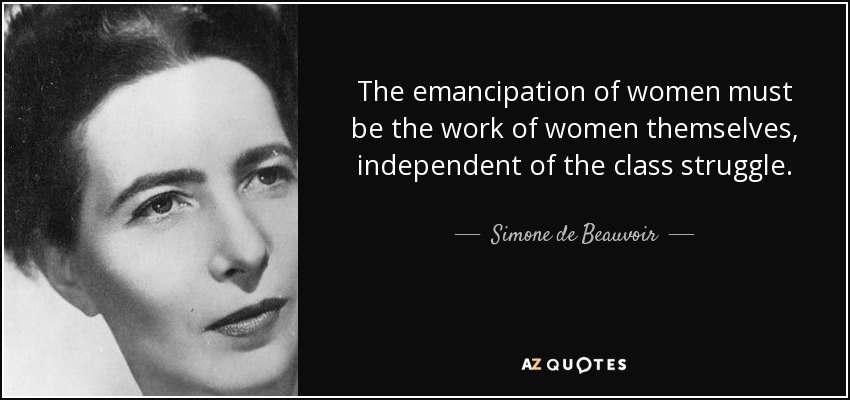
In the archipelago of Cabo Verde, a transformation is fervently underway. The islands, famous for their stunning landscapes and rich culture, are increasingly becoming a battleground for gender equality and women’s emancipation. Women in Cabo Verde are stepping onto the global stage, asserting their rights, and dismantling the cultural shackles that have long restrained their potential. This article delves into the multifaceted dimensions of women’s emancipation in Cabo Verde, exploring the obstacles, triumphs, and the path towards an egalitarian future.
The historical context surrounding the emancipation of women in Cabo Verde is pivotal. Traditionally, the island society has been steeped in patriarchal norms, where women were often relegated to subordinate roles, primarily focused on domestic responsibilities. However, societal shifts have catalyzed a reevaluation of women’s roles within this community. A spike in educational opportunities, fueled by non-governmental organizations and government initiatives aimed at improving literacy rates among women, has equipped them with the tools necessary for self-advocacy. The rise in educated women directly correlates with increasing participation in various sectors, from politics to entrepreneurship.
Cabo Verdean women are not merely responding to the tide; they are actively steering it. One significant element of this emancipation narrative is the emergence of female leadership. The political landscape of Cabo Verde is gradually transforming with women taking on roles that were previously deemed unattainable. Female politicians and activists are not just contributing to the dialogue; they are redefining it. The stories of these courageous women serve to inspire others, igniting a collective movement towards systemic change. This rising tide of female political engagement articulates a clarion call for equality, amplifying the demand for policies that advocate for women’s rights.
The economic empowerment of women has further propelled the emancipation movement. As women gain access to microfinance systems and entrepreneurial programs, they are starting to create their own economic enclaves. The proliferation of female-owned businesses exemplifies a tangible shift towards autonomy. Women are no longer just participants in the workforce; they are becoming architects of their financial destinies. This newfound economic agency is essential, as financial independence often translates into greater leverage to challenge societal norms and advocate for changes that foster gender parity.
Education remains a cornerstone of women’s emancipation in Cabo Verde. Educated women are more likely to challenge oppressive societal norms, advocate for their rights, and contribute to their communities in meaningful ways. The concerted efforts to bridge the gender gap in education have borne fruit, with female enrollment rates soaring in secondary and higher education. However, the journey is far from complete. Coupled with education, the nurturing of critical thinking and leadership skills becomes quintessential in shaping a generation of women who will not only advocate for themselves but will also pave the way for future generations.
While there has been notable progress, it is imperative to confront the ongoing challenges that women face in Cabo Verde. Gender-based violence, entrenched societal norms, and economic disparities continue to pose significant hurdles. The fight against domestic violence, in particular, is a poignant issue that demands urgent attention. Initiatives aimed at raising awareness, providing support systems, and creating legal frameworks to protect women are crucial in this ongoing battle. However, societal attitudes often lag behind legislation. Changing the cultural narrative surrounding women’s rights requires ongoing dedication and resilience.
In addition, intersectionality plays a critical role in understanding the entirety of women’s emancipation in Cabo Verde. The various identities women inhabit—be it class, ethnicity, or sexual orientation—affect their experiences and challenges. Hence, the movement must adopt a comprehensive framework that recognizes and addresses these complexities. By fostering unity among diverse groups of women, a more robust and inclusive approach to emancipation can emerge, one that genuinely reflects the myriad of experiences within Cabo Verdean society.
Public discourse surrounding women’s rights is evolving, influenced by the digital age. Social media platforms are now vibrant arenas where women share their stories, express solidarity, and engage in activism. The amplification of voices through digital channels fosters a sense of community, and empowers women to challenge the status quo. Online campaigns have catalyzed social change by raising awareness about women’s issues, mobilizing support, and holding institutions accountable. This digital revolution in women’s activism presents a formidable tool in the fight for emancipation.
In conclusion, the emancipation of women in Cabo Verde epitomizes a dynamic interplay of progress and struggle. The steps taken by women to break newfound ground transcend geographical and cultural boundaries, creating ripples of inspiration. The imperative now is to sustain momentum: to amplify women’s voices, advocate for comprehensive policies, and incite societal introspection. The journey toward true gender parity is lengthy, yet the indomitable spirit of Cabo Verdean women illuminates the path forward. As they carve their destinies, women in Cabo Verde are not only reshaping their lives but also shaping the future of an entire nation. A future where gender equality isn’t just an ideal, but a lived reality.