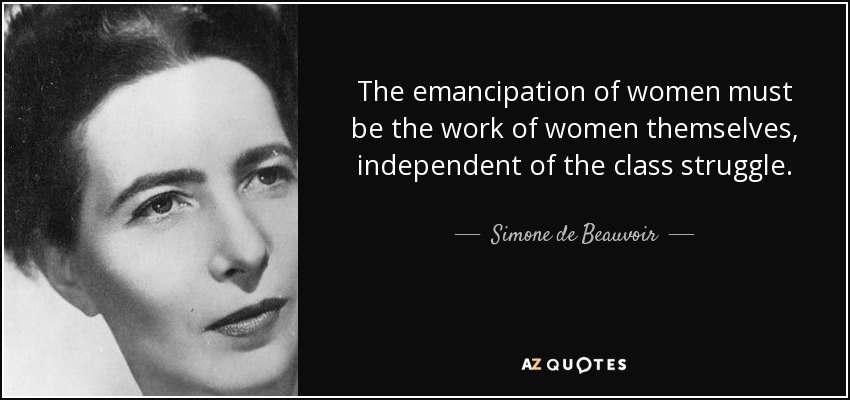
When one contemplates the intricate tapestry of emancipation in the Caribbean, it is imperative to turn a scrutinous gaze toward Suriname—a nation that undulates with the echoes of its past. Herein lies a narrative embroidered with resistance, tenacity, and an indomitable spirit that persists, defying the shackles of history. The journey of women’s emancipation in Suriname is not merely a chapter in a textbook; it is a living archive of struggle, progress, and profound agency. Within this narrative, we shall explore the horizons of Caribbean roots and the progressive routes carved by women as they navigate their emancipation.
Women’s emancipation in Suriname cannot be disentangled from the broader historical context of the Caribbean. This region, a confluence of cultures, has been shaped by colonialism’s merciless hands. Enslaved women bore the brunt of oppression; their bodies were commodities, yet within them lay the seed of resistance. These women, with their unparalleled resilience, forged a path not only for themselves but also for generations yet unborn. Suriname, a microcosm of the Caribbean, serves as a poignant example of this struggle, where the struggle for gender equality is intertwined with the quest for racial and economic justice.
The abolition of slavery in Suriname in 1863 marked a new chapter, but the narrative of emancipation had not reached its denouement. Indeed, the abolition served as a proverbial door opening, yet it would take nearly 10 years for true freedom to pulse through the veins of the emancipated. Women found themselves caught in a liminal space—freedom was but a veneer. They emerged from the plantations, having shed the literal chains, but societal shackles still ensnared them. Economic disenfranchisement, imposed gender expectations, and systemic sexism continued to strategize against them, entangling them in a web of subjugation.
In the subsequent decades, a vibrant women’s movement began to take root—a veritable phoenix rising from the ashes of oppression. Surinamese women started to carve out narratives that upheld their agency, challenging not just their societal roles but also the entrenched patriarchal dogmas. The winds of change were palpable as women began to organize, forming associations and leveraging their collective strength. The stories of Herma Kwerjal, a leading figure in this milieu, exemplify the fervent activism that propelled women toward equality, advocating passionately for their rights.
Education became a focal point in the struggle for emancipation. Women understood that knowledge was the key to liberation, opening doors to opportunities previously barred through gendered prejudices. The emphasis on education not only equipped women with essential skills but also cultivated a sense of self-worth and purpose. By fostering educated women, Suriname was sowing seeds for a new lineage—one that would desencadenar future catalysts for social change in their communities.
As the 20th century unfolded, the tapestry of emancipation grew richer. The political landscape of Suriname witnessed greater inclusivity with women stepping into the arena, holding positions in governance, and influencing policies. There were tumultuous moments, however, as the struggle for women was invariably intertwined with the socio-political upheaval facing the nation. The juxtaposition of women fighting for their rights amid national crises served to underscore the complexity of their emancipation. It was not just a bid for gender equality; it became a multifaceted struggle—survival against a backdrop of sociopolitical turbulence.
Today, women in Suriname stand resilient, echoing the revolutionary fervor of their forebears while marching boldly into a future ripe with promise. The corridors of power may remain littered with challenges—economic disparity, domestic violence, and political underrepresentation continue to haunt them, yet there is an unmistakable pulse of progress. The narratives of women such as Charissa Nickerie, who have taken on leadership roles, signify that the road is not only forward but also upward. These women embody the ethos of empowerment, illustrating that emancipation is an ongoing process—a relentless pursuit of equality.
Suriname’s unique position in the Caribbean allows for a rich tapestry of cultural influences, and this eclecticism infuses women’s emancipation with its distinct vitality. From the Maroons—descendants of escaped enslaved people—who stand as a testament to resistance, to the Indo-Surinamese communities that bring their own historical struggles, the diverse array of cultural narratives informs the discourse on women’s rights. It creates an ecosystem of empowerment, where intersectionality reigns supreme, and the shared experiences of diverse cultures coalesce in solidarity.
Furthermore, global influences augment this regional narrative. The intersection of local struggles with global feminist movements creates an invigorating dynamism. Suriname, with its rich heritage of activism, adds an indelible layer to the global discourse on feminism and emancipation. Women in Suriname are not simply passive recipients of change; they are architects, crafting narratives that challenge the status quo—both locally and internationally.
In conclusion, the story of women’s emancipation in Suriname is a captivating saga that reverberates with the echoes of the past while anticipating a robust future. It is a tale of resilience that challenges us to reflect on the ongoing nature of emancipation. As we contemplate this journey, it is incumbent upon us to recognize that while the roots may lie deep in historical struggle, the routes taken to advance women’s rights in Suriname are progressive, forging paths into uncharted territories of justice and equality. In this audacious journey, let us celebrate the remarkable women who continue to pave the way, not solely for themselves but for all those who dare to dream of a liberated tomorrow.