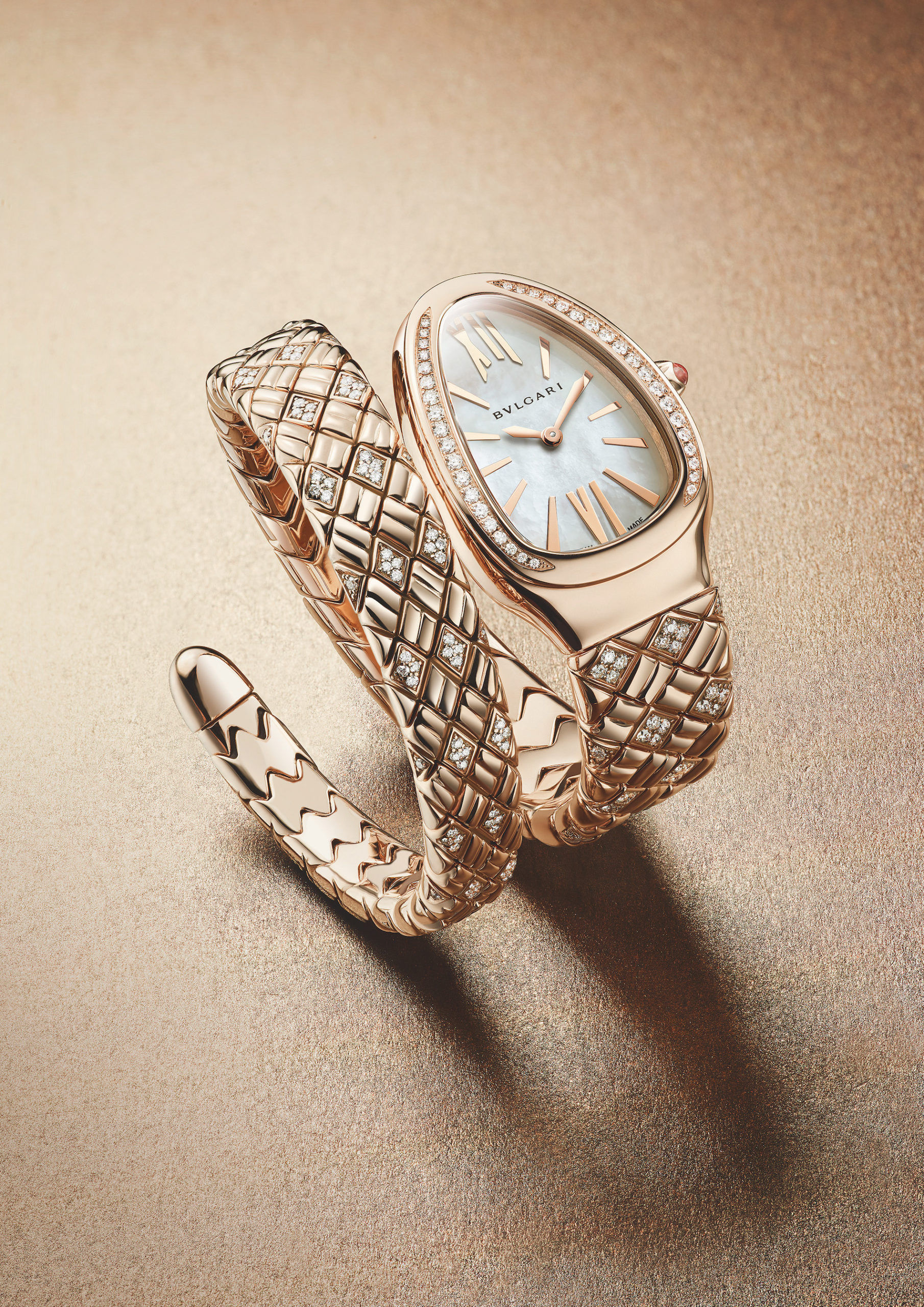
The realm of horology has long been dominated by designs poetically crafted for men, with luxurious, bold timepieces radiating an air of power and prestige. Yet, in a world where gender norms are being challenged and redefined every day, the question arises: can women wear men’s watches? The unequivocal answer is yes, and the rationale extends far beyond simple aesthetics. This phenomenon warrants deeper exploration, as it not only reflects on individual identity but also interrogates the cultural framework surrounding femininity and masculinity.
First and foremost, there exists a profound fascination with watches that exceeds their quintessential function of keeping time. A well-designed watch is an emblem of craftsmanship, an intricate interplay of art and technology that beckons appreciation regardless of the owner’s gender. Women, too, are enthusiasts of this horological artistry, often gravitating towards timepieces that surpass traditional feminine design constraints. When adorned with a classic men’s watch, a woman does not merely don a piece of machinery; she asserts her presence in a world historically tailored to male preferences.
A signature men’s watch often boasts larger faces, bolder designs, and authoritative weight, which can create an empowered aesthetic when worn by women. This boldness resonates with those who crave a narrative of resilience and strength. Think about it: the elegance of a large watch face can transform from a simple accessory to an emblem of defiance—standing proudly against the whims of conventional gendered styles. It is a statement of self-assertion, a declaration that femininity can embrace complexity, dimension, and power.
Moreover, the appeal of men’s watches is closely intertwined with the concept of reclaiming space in spheres historically viewed as male-dominated. By choosing to wear a timepiece typically characterized by a masculine design, women are actively dismantling long-standing stereotypes and asserting that style is not confined to a predetermined box. This act of rebellion is compelling. It challenges the doctrine that certain aesthetics are reserved for particular genders, and in turn, cultivates an environment where fluidity can flourish.
This discussion of wearing men’s watches is also one of practicality. Men’s watches often come equipped with features that appeal universally, including superior durability, expansive functionality, and intricate mechanical movements. These characteristics can enhance a woman’s experience, allowing her to embody strength and capability through her choice of timepiece. This functional allure is not to be underestimated in a society that often promotes ornamental over practical choices for women.
Yet, the conversation veers deeper when examining societal implications. The fashion industry continues to grapple with archaic gender constructs, producing distinct lines for ‘men’ and ‘women.’ This binary approach to style is outdated and hinders progress. Women choosing men’s watches illuminate a critical confrontation with these established norms and promote the notion that personal adornment should be based on preference rather than prescribed gender roles. This subtle defiance resonates in the wake of movements pushing for gender equality, underscoring an urgent need for a shift in how society perceives gendered styles.
However, it is essential to address the occasional pushback against this trend. There are those who argue that a watch, particularly a men’s watch, embodies an aesthetic of masculinity that should not be appropriated. Such arguments often stem from a limited understanding of fashion as a fluid and evolving language of self-expression. Fashion is, after all, a cultural commentary; it allows individuals to interject their narratives into the collective consciousness. A woman wearing a men’s watch transcends mere appropriation—it is a dialogue, a negotiation with the very fabric of societal expectations.
The embodiment of such boldness, though, naturally necessitates thoughtful consideration regarding the choices available. Not every men’s watch is an appropriate fit for every woman. The key lies in finding timepieces that complement individual style while also conveying the intended narrative of power and elegance. Classic designs—think the minimalist aesthetics of a stainless steel Rolex or the enduring allure of a Panerai—can enhance a woman’s wardrobe, allowing for versatility and stylish expression.
Additionally, the diversity in brands today fuels this phenomenon. Not only are high-end luxury brands increasingly recognizing the value of women’s interest in larger, traditionally masculine styles but also independent watchmakers are challenging conventions. This proliferation means that women can explore a wide array of options beyond stereotypical variants, reinforcing the idea that timepieces are not solely gendered but rather expressions of personal taste and lifestyle.
In conclusion, the simple question of whether women can wear men’s watches opens the door to a rich discourse on identity, power, and societal expectations. It embodies the essence of contemporary feminism as women assert their right to redefine norms and choose accessories that reflect their multifaceted selves. In a world inundated with limited definitions of femininity, bold and classic timepieces serve as potent symbols—blurring the lines between gendered fashion and propelling us towards a more inclusive understanding of style. Thus, the answer is not merely yes; it’s a resounding celebration of individualism, strength, and audacity. Women wearing men’s watches is not just a trend; it’s an evolution of identity and empowerment, one bold tick at a time.