


















In the intricate tapestry of societal norms, the question of whether women can wear pants to a funeral invariably stirs a pot of mixed sentiments. On one hand, traditionalists might argue that funerals are solemn occasions necessitating adherence to age-old dress codes; on the other hand, modern sensibilities contend that personal expression and comfort should not be sacrificed in times of mourning. This discourse invites a thorough examination of the intersection between gender, fashion, and etiquette within the sphere of grieving, and challenges us to reconsider the rigidity of dress codes in these deeply emotional settings.
First and foremost, the underlying tenet of funeral attire should pivot around respect for the deceased and their family. However, respect is a multifaceted concept that transcends mere adherence to antiquated norms. It is essential to recognize that women, like men, experience grief in varying forms and that comfort during such trying times can significantly influence one’s ability to process emotions. The dichotomy of wearing a dress versus pants raises a critical point: why should women be bound to clothing that may inhibit their comfort or emotional expression at the very moment they need it the most?
Consider the cultural dimensions of dress codes. In many cultures, a prevailing ethos dictates that skirts and dresses serve as the default for female mourners. Yet, as globalization promotes an amalgamation of traditions, we see an influx of diverse perspectives on appropriate mourning attire. Women from various backgrounds are beginning to don trousers or tailored ensembles that exude both elegance and dignity. This shift underscores a broader movement toward clothing that reflects individual identity, rather than conforming strictly to gendered expectations.
Moreover, the significance of practicality cannot be overstated. Funerals often entail a series of post-ceremony activities—be it attending a wake or navigating a cemetery—where unrestricted movement can be crucial. Pants offer functionality that a traditional dress might not afford. In the context of such events, it raises questions about the archaic notion that mourning women must endure the discomfort of skirts or dresses. Women are individuals capable of making sartorial choices that reflect their personal style while still honoring the gravity of the occasion.
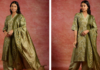
The crucial concern, however, remains: how can women navigate these complex dress codes without appearing disrespectful? The key lies in appropriateness and moderation. A tailored pant suit, for example, can encapsulate the somberness of the event while allowing for personal expression. Pairing trousers with a muted blouse or a sophisticated cardigan creates a look that is both respectful and reflective of modern sensibilities. It’s all about balance: prioritizing the solemnity of the occasion while also feeling at ease.
That said, it’s important to acknowledge the myriad of perspectives regarding appropriate attire. Gossip, judgment, and sometimes outright hostility may greet those who flout traditional attire codes. This phenomenon reflects a broader societal ethos that continues to scrutinize women’s choices with an undue harshness. We must disrupt the narrative that implies a woman’s worth or respectfulness hinge on her adherence to a particular clothing style. A woman wearing pants can be as respectful—and even more so—than a woman in a dress, provided her attire is chosen thoughtfully.
As society gradually evolves, the dissection of dress codes associated with funerals presents an opportunity to reshape the conversation on gender and mourning. It beckons us to reflect on the definition of respect, which must expand to encompass the varied ways individuals choose to navigate their grief and mourning. If women choose to wear pants, that choice must be respected and acknowledged as valid, as long as it aligns with the general expectation of modesty and decorum.
The conversations surrounding funeral attire also extend into the realm of activism. Advocating for women’s right to wear pants to funerals can serve as a metaphor for a more significant societal shift toward dismantling oppressive structures concerning gender-specific attire. When society challenges outdated norms, it opens the door for dialogue centered on personal choice and self-expression. Fashion, as an extension of identity, should not be relegated to the confines of antiquated traditions, especially in spaces intended for shared grief and reflection.
To encapsulate, the inquiry into whether women can wear pants to a funeral is laden with cultural, emotional, and societal implications. It represents not just an individual choice but a collective movement toward redefining respect in mourning. Women have the autonomy to dress in a way that honors their identity and emotional needs while still honoring the sanctity of the event. As society grapples with these themes, it becomes increasingly clear that real respect transcends clothing. It lies in the understanding that every mourner’s journey is unique, and their attire should reflect their individuality, comfort, and reverence for the departed.
In conclusion, let’s advocate for a more inclusive approach to mourning attire—one that allows women to don pants to a funeral if they so choose. By challenging the status quo, we pave the way for a world where grief is celebrated in all its forms, uncloaked by restrictive sartorial expectations. An invitation to rethink funeral dress codes fosters a more compassionate society. After all, should not our shared experience of loss liberate, rather than constrain, our choices?