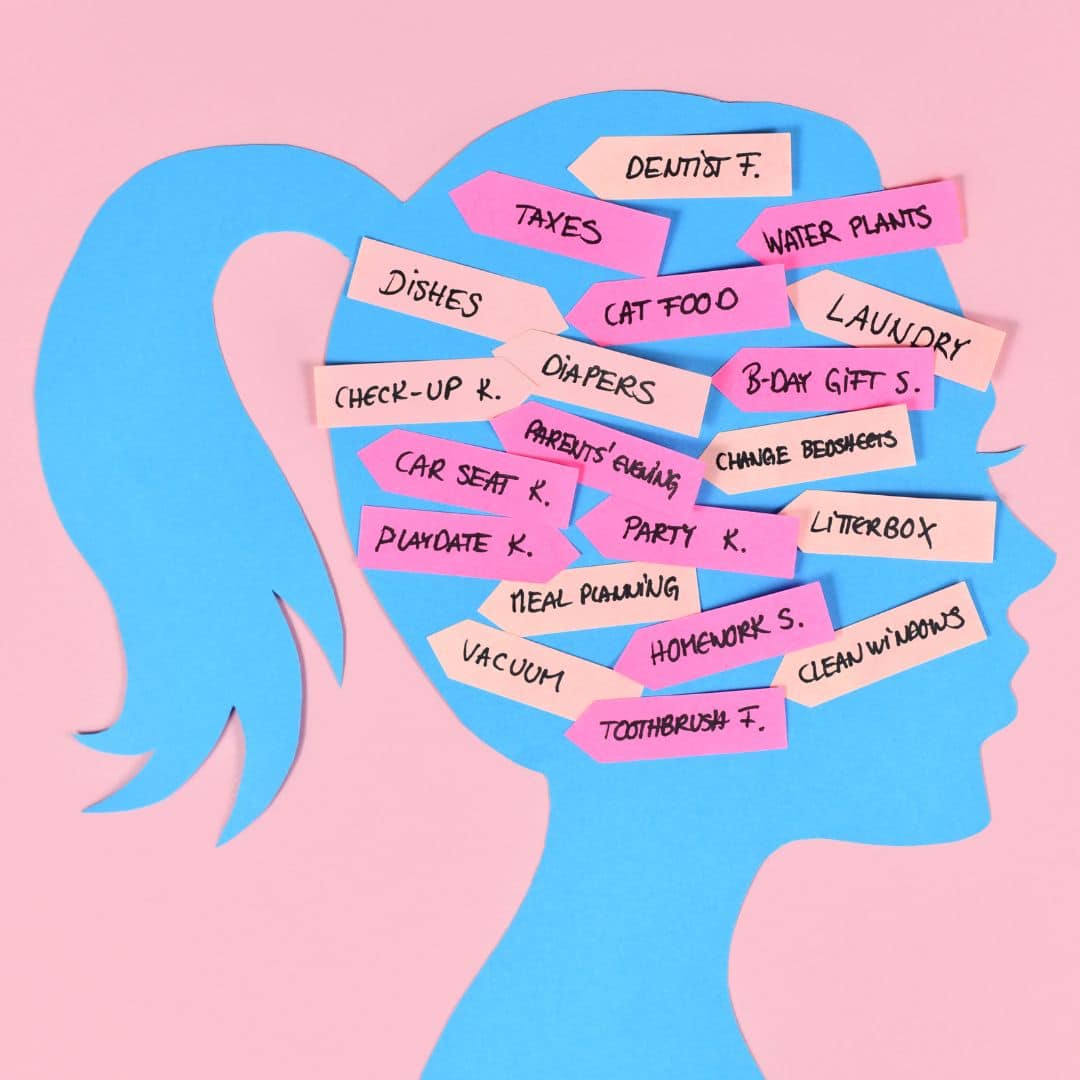
In the labyrinth of modern womanhood, where empowerment chants echo through social feeds and self-care has morphed into a booming market, there exists a paradox that often slips past cursory observation. The wellness industry, cloaked in promises of balance and liberation, surreptitiously erects a tower of additional mental burden on women. What appears as sanctuary is, in fact, another arena where expectations multiply, obligations intensify, and the elusive ideal of “having it all” becomes yet more relentless. This phenomenon invites scrutiny beyond the surface—a deeper interrogation into why feminism, intended as emancipation, is sometimes co-opted into perpetuating the very pressures it aims to dismantle.
The Illusion of Choice: Wellness as New Age Obligation
Choice, in feminist theory, is an emblem of freedom. Yet, the wellness industry redefines choice into an omnipresent duty. Women are bombarded with a cacophony of options—from detox teas and yoga retreats to elaborate skincare regimens and mindfulness apps—each marketed as indispensable steps toward ‘optimal living.’ Far from casual suggestions, these are presented as imperatives for modern femininity. The well-meaning veneer masks an insidious shift: from voluntary self-care to compulsory performance. What was meant to be a sanctuary becomes a checklist, a field where failure to participate signals moral or personal inadequacy. This metamorphosis transforms freedom into a cage of relentless self-monitoring and improvement, reinforcing an already gruelling mental load.
Intersection With Feminism: Empowerment or Another Form of Labor?
At first glance, the wellness boom appears congruent with feminist ideals—empowering women to reclaim control over their bodies and minds. Yet, the relationship is more ambivalent than celebratory. The tenets of feminism emphasize dismantling systemic pressures, while the wellness industry often individualizes responsibility. It isolates the woman as the architect of her health, happiness, and success, frequently disregarding the socio-economic and cultural forces at play. Empowerment thus becomes entangled with an exhausting mandate to constantly optimize oneself, effectively commodifying resistance as labor. The burden of ‘fixing’ oneself lies squarely on the shoulders of the individual woman, subtly shifting the feminist agenda from collective liberation to privatized self-management.

Perpetuation of Gendered Expectations Through Wellness Rituals
Wellness rituals often mirror and amplify traditional gendered expectations under the guise of self-care. Women’s bodies become the primary sites of intervention—fine-tuned, curated, and laboriously maintained not only to enhance health but to align with socially sanctioned standards of beauty, calm, and emotional fortitude. This grooming of the self extends beyond physical appearance to encompass emotional states such as mindfulness and resilience, feeding the narrative that a ‘good woman’ must perpetually balance internal harmony with external perfection. It’s a subtle yet powerful form of gendered social control, where the mental load is less visible but infinitely more taxing, turning care into an endless project with no clear end point.
The Paradox of Productivity: Wellness as Another Task on the To-Do List
The prevailing capitalist zeitgeist valorizes productivity in all forms. Wellness, rather than offering respite, often becomes just another prod to maximize output—be it through improved cognitive function, enhanced physical energy, or emotional regulation. For women juggling multiple roles—caregiver, professional, partner—the wellness industry adds a fresh layer of ‘productive’ labor. Scheduled meditation times, ratio-perfect meals, sleep hacks, and fitness challenges occupy precious mental real estate, exacerbating stress under the guise of alleviating it. This paradox positions wellness not in opposition to the mental load but as an extension of it, a framework that demands women be more efficient even in their rest and recovery.
The Myth of the Perfect Self: Wellness and the Fetishization of Control
At the root of wellness culture lies an almost obsessive fetishization of control—over diet, sleep, mood, and even thoughts. This pursuit reverberates strongly within feminist discourse, which champions autonomy and agency. Yet, when control morphs into a perfectionist ideal, the toll becomes profound. Women are invited to curate their identities meticulously, projecting images of flawless balance and holistic health, while often concealing the chaos underneath. The mental labor of maintaining this façade—strategizing, filtering, recalibrating—contributes significantly to cognitive exhaustion. In this light, wellness becomes a new frontier for exerting discipline and self-surveillance, rather than a true liberation from mental burden.
Commercial Exploitation: Monetizing Feminine Vulnerability and Aspirations
The wellness industry’s rapid expansion is no coincidence. It strategically monetizes the vulnerabilities and aspirations of women striving for betterment. Advertising exploits insecurities and promises to assuage anxieties about aging, productivity, and societal expectations. This commercial dynamic weaponizes feminism’s language of empowerment, wrapping it in glossy packaging that demands constant consumption—be it of products, experiences, or self-help ideologies. The outcome is a self-reinforcing cycle where mental load intensifies as women grapple with both internalized expectations and external market pressures. The line between nurturing oneself and fueling consumerist compulsions blurs, undermining authentic wellness and exacerbating psychological strain.
Toward a Radical Reimagining: Deconstructing Wellness for Genuine Feminist Relief
Unearthing the mental load imposed by the wellness industry compels a radical reimagining of self-care within feminist frameworks. Genuine relief arises not from adding layers of ritualistic labor but from dismantling the structures that mandate perfection and self-governance at all times. This demands rejecting the commodification of care and fostering collective practices that redistribute responsibility and acknowledge systemic inequities. It means advocating for social and political reforms that ease the multifaceted pressures women face, rather than placing the onus solely on individual management. Liberation, ultimately, necessitates creating spaces where wellness is not another imperative but a shared, accessible reality free from capitalist entanglements and gendered expectations.
The wellness industry’s paradoxical role in women’s lives serves as a potent mirror reflecting broader societal contradictions. It fascinates because it encapsulates the tensions between autonomy and obligation, empowerment and exploitation. Understanding this intricate dynamic allows a shift—from being entrapped by the mental load wellness culture perpetuates, to reclaiming feminist principles that prioritize collective freedom over solitary endurance. Only then can wellness truly become a tool for healing, rather than another vector of mental exhaustion.