In countless households, the invisible labor of maintaining order, comfort, and efficiency often skews toward one individual, frequently women, who shoulder the invisible load of managing domestic life. This phenomenon speaks volumes about societal structures and feminist critiques of labor division. Yet, there lies an alluring paradox within this dynamic—a profound urge to refine, optimize, and improve home systems without succumbing to the tyrannical shadow of micromanagement. Enter the concept of Kaizen—the Japanese philosophy of continuous, incremental improvement. How does one fuse the empowering ambitions of feminism with the quiet artistry of Kaizen to renovate household systems sustainably, equitably, and gracefully? The answers unfold with intriguing complexity.
The Feminist Lens on Domestic Labor: Unearthing the Unseen Chains
The observation is stark: women disproportionately manage domestic spheres. This is no mere logistical accident but a telling reflection of entrenched gender norms. Feminism exposes this disparity not only as an issue of fairness but as a systemic structure entangling autonomy and labor. Women managing household systems often face the Sisyphean task of endless adjustments without acknowledgment or respite. The deeper fascination lies in how this labor, so critical yet undervalued, shapes personal dynamics, self-perception, and power negotiations within households. The resistance to micromanage emerges as a natural response to reclaim balance and honor agency—not to relinquish responsibility but to redefine it collaboratively.
Kaizen: More Than a Management Tool—A Way of Domestic Empowerment
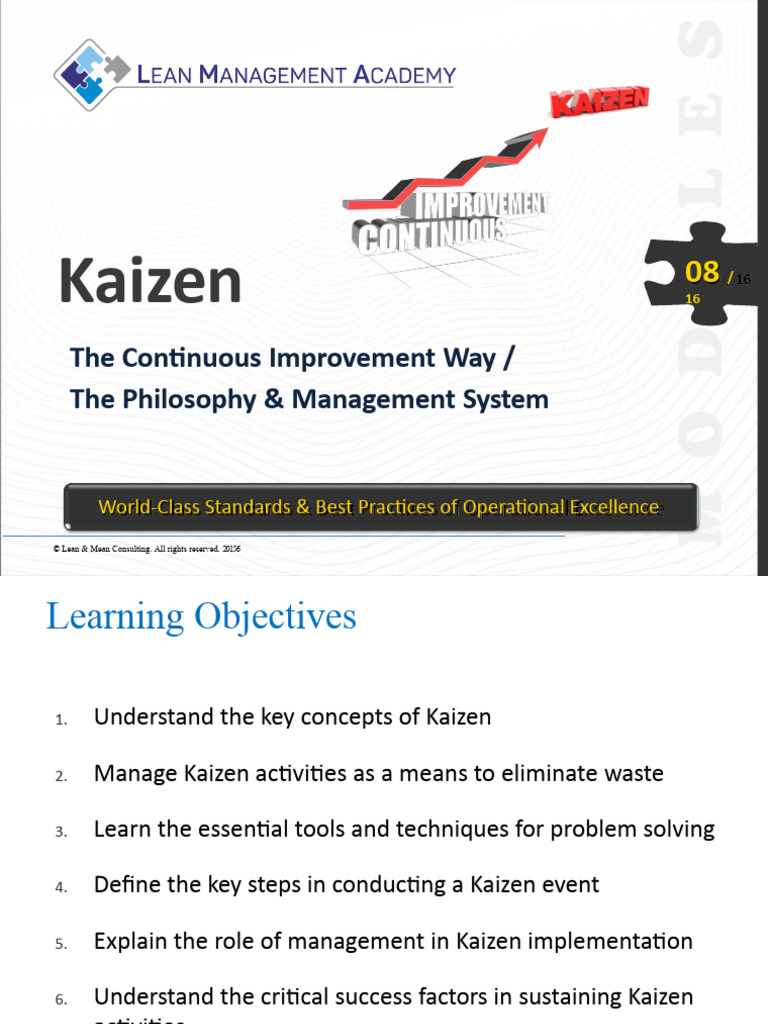
Kaizen, commonly heralded in corporate and industrial contexts, transcends profit margins and productivity charts. Its core principle—that profound change doesn’t always arrive in seismic shifts but in the relentless cadence of small improvements—resonates profoundly with the rhythms of household management. By adopting Kaizen, domestic systems evolve organically, rooted in continual feedback loops that value every participant’s input. This process challenges the patriarchal impulse toward control, urging instead a culture of shared stewardship. It invites family members to engage in a dialogic practice of improvement, where iteration replaces imposition.

Avoiding the Pitfall of Micromanagement: Cultivating Trust Through Incremental Responsibility
The allure of micromanagement often springs from a desire for predictability and control—natural in environments as unpredictable as family life. However, this strangles creative autonomy and breeds resentment. Feminism advocates for dismantling hierarchical control in favor of equitable participation. Applying Kaizen within this framework means delegating manageable, incremental tasks, allowing each person’s contributions to clarify and grow without suffocating oversight. This isn’t about tolerating imperfection; it’s about fostering trust. When household members feel entrusted and invested, their commitment morphs into authentic ownership rather than perfunctory compliance.
Systematic Small Tweaks: Practical Steps to Integrate Kaizen at Home
Introducing Kaizen into domestic life begins with identifying pain points—those friction spots where routines falter or stress consolidates. Perhaps the laundry system is convoluted, or grocery shopping lacks rhythm. Start by suggesting tiny, experimental adjustments: a shared spreadsheet, a rotating schedule, or a simple checklist. Critically, these tweaks must be temporally bounded and revisited regularly. The magic thrives in reflection—reviewing what worked, what didn’t, and why. This cyclical process ensures that improvements are not static mandates but evolving practices tailored to the household’s unique ecosystem.
Empowering Communication: The Engine of Continuous Improvement
At the heart of Kaizen lies communication—a symphonic cadence of feedback and suggestion. Feminist principles of equitable dialogue shine here, as they reject monologues and embrace mutual listening. Setting intentional times for conversation about household workflows fosters transparency and collective problem-solving. Moreover, framing these discussions as collaborative experiments rather than accusations mitigates defensiveness. Words wield power—careful articulation of pain points paired with openness to alternatives transforms potential conflict into fertile ground for innovation.
Redefining Success: Beyond Task Completion to Emotional and Relational Flourishing
Traditional approaches to household management often privilege completion metrics—was the kitchen clean, were the bills paid on time? While important, these are but surface indicators. Applying Kaizen through a feminist lens invites a richer, multidimensional definition of success: emotional well-being, relational harmony, and empowerment. Continuous improvement becomes not just about “getting things done” but about crafting an environment where everyone feels seen, valued, and capable. This paradigm shift challenges societies’ ingrained valuation of “productivity” and moves toward a holistic vision of domestic life as an incubator for equity and care.
Overcoming Resistance: Navigating the Emotional Terrain of Change
Change, no matter how incremental, unsettles ingrained habits and comfort zones. Resistances—overt or subtle—are common, stemming from fear of loss of control or entrenched gender expectations. Here, patience and persistence are vital. The Kaizen method’s very design—small, reversible actions—softens resistance by lowering the stakes of experimentation. Feminism’s insistence on validating emotions and experiences plays a critical role. By acknowledging fears and ambivalences openly, households can traverse emotional hurdles together, fostering resilience rather than recrimination.
Legacy of Liberation: Envisioning the Household as a Site of Social Transformation
When feminism and Kaizen intertwine within household systems, the home ceases to be a passive backdrop of social roles and emerges as an active site of liberation. Continuous improvement here is not simply about efficiency—it is about disrupting centuries-old patterns that constrain women’s agency and reinforcing practices that generate freedom and mutual respect. Each small change becomes an act of defiance against inequity, a quiet rebellion scripted in daily rituals. The implications ripple outward, influencing societal norms and inspiring collective consciousness shifts toward a more just world.
In the dance between feminism’s critique and Kaizen’s methodology, there is a potent invitation: to reimagine domestic life as not only manageable but transformative. To apply continuous improvement without micromanagement demands courage, creativity, and radical respect for all voices at the table. It’s a process that honors complexity and embraces imperfection, a journey where every small step is a declaration of hope and a reclamation of power.