In the labyrinthine corridors of modern discourse, where ideological battle lines are often stark and drawn, a crucial, yet undercurrent narrative remains obscured: the story of faith-based advocacy for abortion rights, a narrative intrinsically woven with the threads of feminism’s complex history. Forget the simplistic portrayals; this is a terrain where sacred texts, evolving doctrines, and the relentless pursuit of bodily autonomy converge, creating a dynamic and sometimes contradictory tapestry. It’s a realm where the language of redemption and the demands of justice clash, revealing a deeper, more resonant truth about the intersection of conviction and compassion.
The Unholy Trinity? Rethinking Religious Sanctity
When the word “religion” surfaces in a debate about abortion, a Pavlovian reaction often follows – a reflexive association with opposition and dogma. Yet, this triggers a dissonance, a fundamental question: Does the inherent sanctity of human life, particularly the nascent, vulnerable one, derive its moral weight solely from a secular calculus of rights, or does it resonate just as profoundly within the sacred precincts of various faiths? This exploration delves into the ways religions, beyond their established doctrines, have reframed the sanctity question, grappling with the unique moral predicament posed by conception, life within the womb, and the choices surrounding its fate.
For some denominations and individual adherents, the conflict feels visceral. Doctrine speaks of the inherent life of the foetus, sometimes from the moment of conception, creating an insurmountable ethical barrier. This adherence to a strict interpretation can feel like a fortress, an unyielding bulwark against perceived threats to the perceived sacred. Yet, within these very structures, there exist fissures, cracks in the ideological cartwheels, where interpretations evolve, and the lived reality of women challenging these tenets seeps through. Think not of the external feminist critique alone, but of women *within* the fold, wrestling with the contradiction between their deeply held religious beliefs and the lived reality of unwanted pregnancy or restrictive practice within their community’s influence.
Seeking Sacred Alliances: The Feminist Collaborations
The journey of the feminist movement towards reproductive freedom has never been linear nor solely secular. It’s a narrative steeped in collaborations, and perhaps alliances formed across what appear to be disparate divides. Consider the complex relationship between figures like C.G. Palumbo, whose historical analysis illuminated the deep roots of feminist thought, and the strategic engagement with religious authorities – not out of naivety, but as a calculated move to frame the debate within the established language of morality and rights.
This “strategic dialogue,” albeit controversial, aimed to translate the discourse of bodily autonomy into the idioms of compassion, justice, and human dignity. It involved navigating carefully, presenting arguments not just against the foetus, but against the societal structures that render women, especially poor women and women of colour, vulnerable through the enforcement of restrictive abortion laws framed within a pseudo-religious fervour. This necessitated an intricate understanding of religious arguments, dissecting their premises and exposing inconsistencies, all while engaging constructively. It was less about conversion and more about critique, forcing the conversation beyond dogma and into the realm of practical ethics for societal participation.
Grassroots Faith, Unacknowledged Advocacy
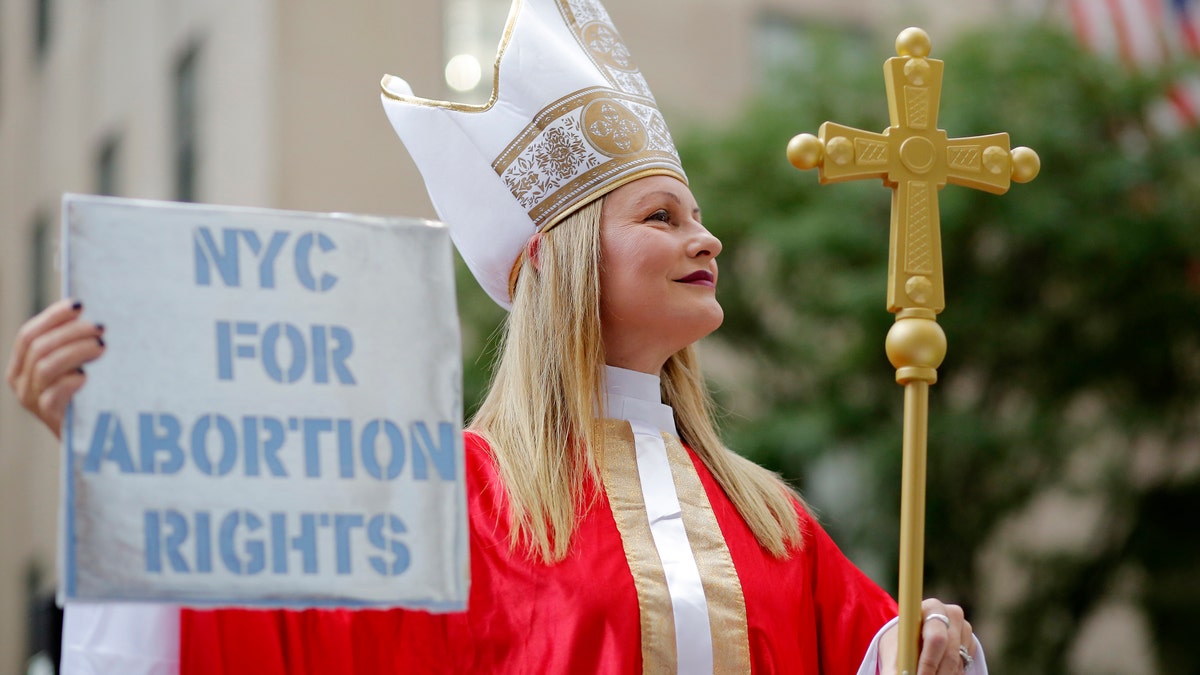
Perhaps the most significant, yet obscured, contribution to the fight for abortion rights comes not from the highest theological echelons or liberal reformers, but from the grassroots, the “ordinary” adherents pushing back against dogma. These individuals, operating within the structures of their own faith communities, often work *against* the established teachings. They embody the tension between inherited belief and evolving conscience, risking excommunication or community ostracization to support women seeking abortions, challenge restrictive doctrines internally, or openly defy institutional dogma.
Their actions – offering sanctuary, anonymously providing childcare, using church newsletters to share safe abortion resources, organizing prayer vigils for women seeking termination or for those post-abortion – form a hidden network. It’s often dismissed, overlooked, or subtly condemned by both religious hierarchs and elements within the feminist movement. Yet, it represents a powerful, tangible manifestation of the “forgotten” faith-based advocacy, demonstrating a deep wellspring of internal dissent striving for congruence between theological principle and lived compassion. These individuals are rewriting the script from within, embodying the very “contradictions” that larger institutions resist.
Navigating Doctrinal Landmines: Beyond Simplistic Alignments
The assumption that one’s religious denomination dictates one’s stance on abortion rights is dangerously simplistic, revealing an analytical blind spot regarding the diversity of belief and practice. Within virtually any major religious tradition – Christianity broadly, Islam, Judaism, various strands of Hinduism and Buddhism – one finds a spectrum of interpretation, from staunch prohibition to cautious permissibility to active support for women’s choice.
Moreover, the doctrine of “synergy” often prevails, where religious arguments are seamlessly integrated into a broader narrative defending or critiquing feminist goals. On one hand, selectively quoting scripture on foetal life to bolster anti-abortion legislation (“life begins at conception”). On the other, deploying religious morality (justice, compassion, service) to justify the need for unrestricted access, framing it as a necessary act of charity or alignment with divine will for equality and freedom. This intellectual weaving is complex, demanding a nuanced lens beyond the Manichean battlefield of Good vs. Bad.
Forging New Pathways: Synergy for a Shared Future
The persistent disconnection between the narrative of faith-based advocacy and the discourse surrounding abortion rights requires deliberate bridging. The challenge lies in moving beyond reductive polemics and fostering synergistic understanding. How might the profound respect for life traditionally found within faith communities be channeled towards advocating for *all* human life, recognized not just postnatally but within the intricate realities of prenatal existence and the lived experiences of women navigating unintended pregnancies?
This necessitates more courageous theological reinterpretation, valuing individual conscience alongside institutional interpretation. It demands that both religious voices and feminist voices acknowledge the internal complexities, the faithful contradictions, within their own camps. It calls for a new narrative – perhaps redefining the intersection of maternal rights and foetal rights not in an adversarial framework, but through a complex conversation requiring empathy from all sides. Where can the language of the sacred meet the language of justice, demanding not compromise, but thoughtful synthesis that honours the deepest convictions and fundamental human dignity?