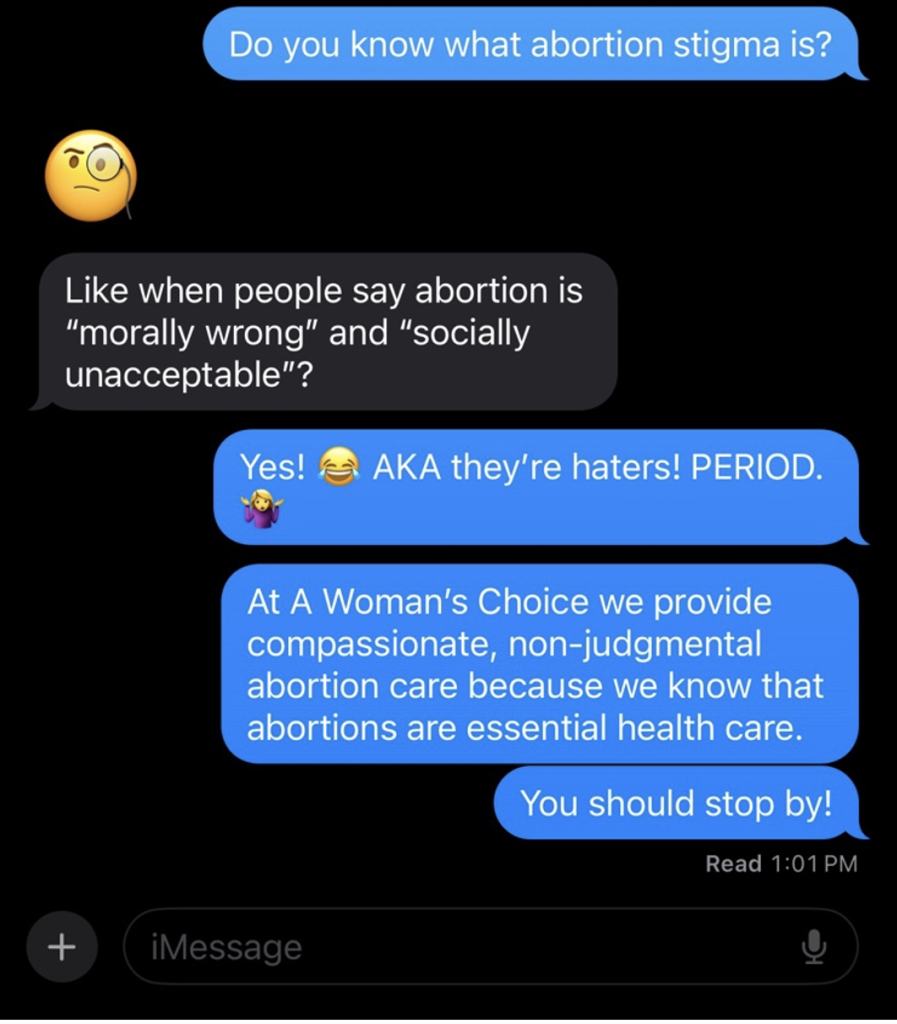
Imagine scrolling through social media and encountering a post. It’s supportive of women’s rights or reproductive justice, perhaps. Then, amidst the noise, a subtle whisper begins: “But… what happened to her?” Followed swiftly by judgments, assumptions, or simply… silence. This isn’t just an online phenomenon; it’s the ever-present echo of abortion stigma, a deeply ingrained epistemological hurdle preventing us from seeing women clearly. Is this the invisible weight the feminist movement aimed to lift, only for it to transform its form? Here lies the quandary: have we cracked the code of liberation, or are we still bound by the ghosts of restrictive eras, this stigma insidiously woven into the fabric of our modern discourse?
The Precise Definition: Stigma, Sexism, and the Ghost of Misogyny
At its core, abortion stigma involves the labeling, discrediting, and rejection, by social institutions and individuals, of women (and others involved, including fathers or partners) who have or are contemplating ending a pregnancy. Think of it as a complex contagion: harmful beliefs, attitudes, and judgments spread silently, often invisible to the naked eye, reinforcing discriminatory practices and restricting individual autonomy. This goes far beyond legal prohibitions or differing opinions; it’s about the emotional and social pollution – the toxic residue clinging to the concept itself and those associated with it. It’s the intersection of deep-seated sexism with distorted religious doctrine, historical power abuses, and the deliberate manipulation of fear. For instance, the meticulous tracking of abortion decisions, the branding of service providers as criminals decades after services cease, or the relentless victim-blaming all represent not opinion, but a carefully constructed narrative seeking to delegitimize choice. This stigma operates subtly, often through indirect language, insinuation, and the normalization of silence, turning even everyday discussions into fraught territory.
Catalysts for Discredit: The Echo Chamber of Judgment
Why does this insidious idea persist? Let’s peel back the layers. One major force is the persistent power of narratives that frame pregnancy strictly through a lens of maternal sacrifice and divine purpose. Abortion, in this telling, becomes a violation, an inherently tragic event worthy of sacerdotal purity. The reasons offered often lack specificity, relying on generalizations: “It’s murder,” “Unplanned? Planned badly, then,” or, more recently, the insidious appeal to specific interpretations of bodily autonomy that radically differ from a more encompassing understanding. Religious dogma, selectively employed, provides a powerful framework for moralizing choice as personal damnation. Moreover, the echoes of historical oppression – the memory of restrictive laws, targeted violence, and forced concealment – can fuel contemporary anxieties, creating an environment where suspicion rather than trust becomes the default response to discussions of reproductive health. Consider how certain individuals or groups weaponize fictional portrayals or cherry-picked statistics, constructing an enemy within – the “choosy woman” or the “provider,” demanding the moral equivalent of confession and penance.
Personal Toll: More Than Just a Social Taboo
The consequences of this pervasive stigma are not abstract; they are deeply felt on an individual level, cutting across lines of gender identity, socioeconomic status, race, and sexual orientation. For those directly involved – or suspected of being involved – the trauma is compounded by societal responses. Imagine the survivor of a late-term pregnancy loss choosing early termination, only to face accusations of “laziness” or hear the implication that they lacked maternal instinct, their grief somehow invalidated. Or consider the young person denied support, forced into secrecy, surrounded by judgment that reinforces the internalized shame. Even in everyday life, casual stigmatization normalizes assumptions: a jobless single woman’s supposed proclivity for “abortion,” a mother struggling with resources suddenly viewed through the lens of neglect or poor choices. This creates a chilling effect, driving people away from seeking reproductive healthcare, fostering isolation, and preventing collective action for change. The weight is often disproportionately borne by marginalized communities, further entrenching systemic inequalities.
Stigma Beyond Abortion: A Broader Societal Malaise
This pattern, targeting reproductive choices, manifests across other areas where male-centric values or traditional authority structures resist female agency. It’s a symptom, a recurring epidemic whenever women challenge normative expectations – from delayed childbirth to sexual education, from career pursuits leading to unplanned childrearing to questioning entrenched authority figures. This broader societal malaise suggests a deep cultural discomfort with complexity, a preference for simplistic mantras of purity and order, and a persistent tendency to pathologize deviation from predetermined life scripts. Abortion stigma, therefore, isn’t just about unwanted pregnancy termination; it’s a barometer for a society’s willingness to engage with challenging truths about power, control, and the genuine complexities of modern lifeways.
The Battlefield: Weaponized Narratives, Victim Blaming, and the Cultivation of Fear
Examining the tools of this stigma reveals a playbook refined over centuries. Hyper-partisanship weaponizes language to silence nuance, branding anything remotely associated with abortion as partisan extremism. Selective data, often culled from biased sources, paints distorted portraits of women and providers, frequently ignoring counter-evidence. The specter of legal action is raised with alarming frequency, casting shadows on legitimate debates and eroding trust in reliable information sources. Think of meticulously cherry-picked “survivor” testimonies presented as universal experiences, obscuring the diversity of women’s stories; or inflammatory anecdotes used to delegitimize statistical trends. This isn’t just opinion; it’s the strategic cultivation of fear, leveraging existing anxieties about everything from healthcare erosion to changing family values to fuel the fire of moral panic.
Guerilla Warfare: Fortitude, Collective Action, and Future Visions
Fighting back requires more than acknowledging the problem; it demands a fundamental refusal to accept this moralized framework. We must champion what matters most: a person’s right to weigh complex factors, access accurate information leading to self-determination, and receive compassionate, non-judgmental care or support according to their chosen path. Shifting the narrative towards respect requires amplifying diverse voices beyond victimhood; acknowledging the full range of experiences, the spectrum of emotions women navigate, and the genuine complexities guiding their choices. Grounding the struggle firmly on science, ethics, and the demonstrable benefits of choice, while actively dismantling the stereotypes embedded deep within our cultural narrative. Fostering open dialogue, challenging misinformation head-on, and centering the experiences and aspirations of women, rather than the restrictive ideals of the past. Ultimately, victory lies not just in policy shifts or legal frameworks, but in cultivating a cultural landscape where women are met with empathy, respect, and genuine partnership, free from the corrosive acid of stigma or the weight of moral obligation dictated by outdated dogma.