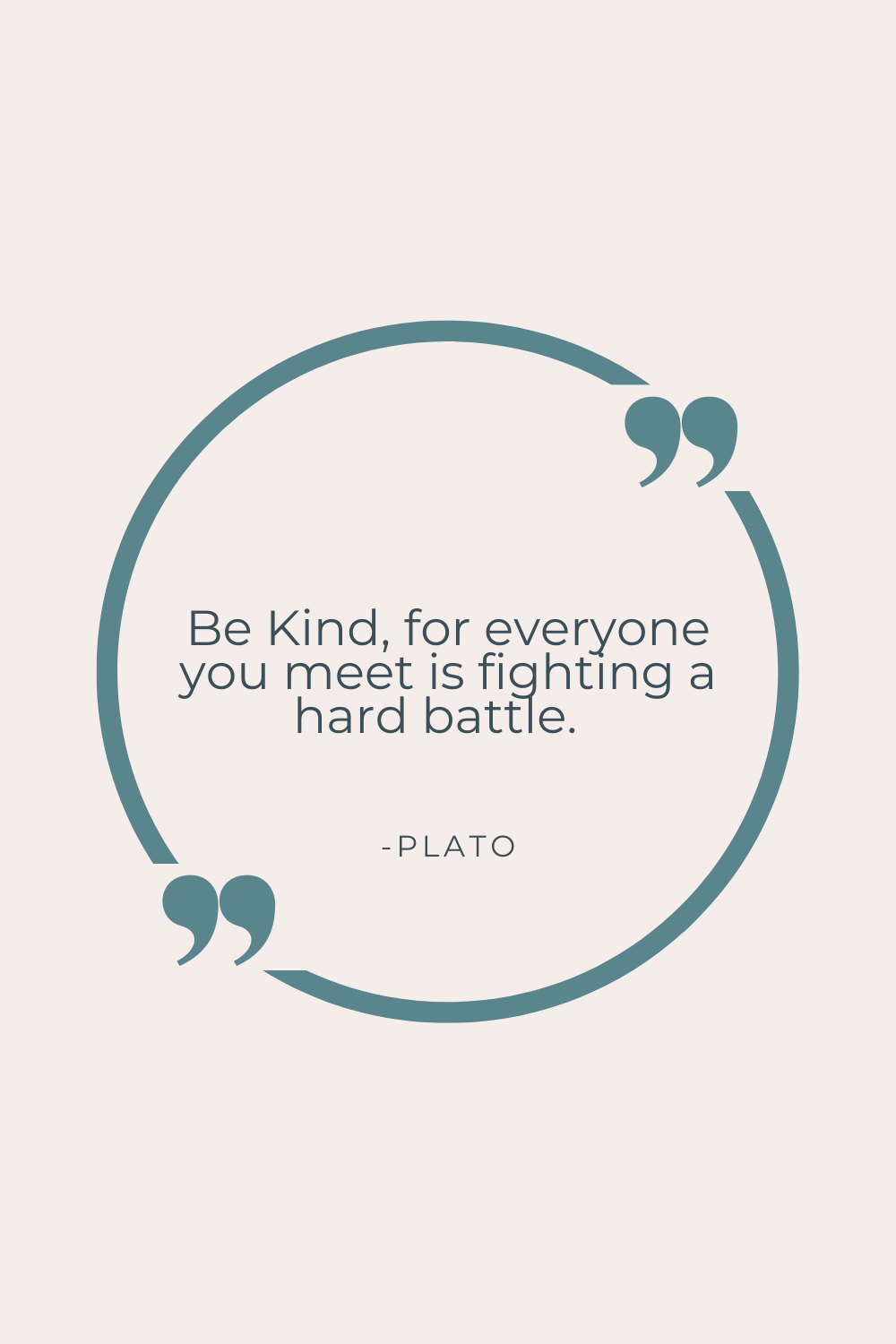
In the digital age, where every tweet can spark a revolution and every Instagram post can ignite a firestorm, the phrase “be kind” has been weaponized into a silencing tool. It’s no coincidence that this saccharine mantra often surfaces when marginalized voices dare to call out oppression. The insidiousness of this tactic lies in its ability to cloak itself in moral superiority while systematically dismantling the very accountability that fuels social progress. Feminism, a movement built on the relentless pursuit of justice, now finds itself entangled in a paradox: the demand for kindness as a substitute for systemic change.
The Myth of Neutrality: How “Be Kind” Erases Oppression
There is no neutrality in oppression. When a white feminist insists on “being kind” while ignoring the racialized violence Black women face, she isn’t advocating for harmony—she’s demanding silence. The phrase “be kind” operates under the false premise that all perspectives are equally valid, which is a lie. Oppression is not a debate; it’s a lived reality. Calling out bigotry isn’t cruelty—it’s survival. The weaponization of kindness assumes that marginalized people should temper their rage to make privileged individuals more comfortable, a demand that has never been made of the oppressors themselves.
Consider the woman who posts a call-out on social media, only to be met with replies like, “Why can’t you just be kind?” This isn’t an invitation to dialogue; it’s a demand for compliance. The expectation that marginalized voices must perform emotional labor to avoid conflict is a tool of control. It shifts the burden of reconciliation from the oppressor to the oppressed, reinforcing the very power structures feminism seeks to dismantle. Kindness, in this context, becomes a euphemism for compliance—a way to maintain the status quo under the guise of decency.
The Performative Empathy of the Privileged
There’s a particular brand of performative empathy that thrives in call-out culture’s backlash. It’s the kind that says, “I understand your pain, but why must you make me feel bad?” This is not empathy; it’s narcissism disguised as virtue. The privileged few who wield “be kind” as a cudgel often mistake their discomfort for oppression. They conflate their guilt with systemic injustice, turning the act of calling out into a personal attack rather than a necessary confrontation.
This performative empathy is a masterclass in deflection. Instead of engaging with the substance of the critique, it pivots to the emotional state of the criticizer. “You’re being too harsh,” they say, as if the harshness of oppression is somehow negotiable. The reality is that systemic change is inherently disruptive. It requires discomfort, confrontation, and yes—sometimes even anger. To demand kindness in the face of injustice is to demand that the oppressed remain passive, their pain neatly packaged for consumption by those who benefit from their silence.
Call-Outs vs. Cancel Culture: A False Dichotomy
The discourse around call-outs often collapses into a tired debate about “cancel culture,” as if the two are synonymous. They are not. A call-out is an act of resistance—a refusal to let harm go unchallenged. Cancel culture, on the other hand, is a corporate-driven phenomenon that reduces accountability to a transactional economy of likes and follows. The conflation of the two serves a single purpose: to discredit the very idea that people should face consequences for their actions.
When feminists are told to “be kind” instead of calling out misogyny, it’s not because kindness is the moral high ground—it’s because the status quo is more comfortable than justice. The fear of being labeled “toxic” or “divisive” is a fear of losing power, not a fear of being wrong. Call-outs are not about punishment; they’re about setting boundaries. They say, “This behavior is unacceptable, and I will not tolerate it.” That is not cruelty. That is self-preservation.
The Commodification of Feminist Rage
Feminist rage is a resource, and like all resources, it is being extracted, repackaged, and sold back to us as inspiration porn. The same institutions that profit from our labor demand that we channel our anger into palatable, marketable forms. “Be kind” is the ultimate neoliberal feminist slogan—it asks us to individualize our struggles, to turn systemic critique into personal branding. But rage is not a product. It is a fire that burns away the lies we’ve been told about our place in the world.
Consider the way corporate feminism co-opts slogans like “girl power” while simultaneously policing the tone of those who dare to demand more. The demand for kindness is a demand for assimilation. It’s the expectation that feminists should smile through their oppression, that they should perform gratitude for the crumbs of progress while the system remains intact. But rage is not a deviation from the feminist project—it is its lifeblood. Without it, feminism is just another brand, another hollow hashtag, another empty promise.
Beyond the Binary: Kindness as a Tool of the Status Quo
The demand for kindness is inherently binary—it insists that there are only two options: silence or cruelty. But the world is not so simple. There is a third way: accountability. Accountability is not the absence of kindness; it is the presence of justice. It is the recognition that harm has been done and that reparations must be made. It is the refusal to let oppressors dictate the terms of their own redemption.
When feminists are told to “be kind,” what they’re really being told is to accept the terms of a system that was never designed to serve them. Kindness, in this context, is not a virtue—it’s a cage. It’s the velvet glove that hides the iron fist of oppression. The call to “be kind” is not a call to empathy; it’s a call to complicity. And complicity is not a feminist value.
The Future of Feminist Discourse: Kindness as a Radical Act
What if kindness were not a demand for silence but a demand for solidarity? What if “be kind” were not a silencing tactic but a rallying cry? The future of feminist discourse depends on reclaiming kindness from those who have weaponized it. Kindness, in its truest form, is not about avoiding conflict—it’s about choosing the right battles. It’s about recognizing that not all harm is equal, and not all silence is peaceful.
The next wave of feminism must reject the false dichotomy of kindness versus justice. It must embrace the complexity of rage, the necessity of disruption, and the power of holding oppressors accountable. The demand to “be kind” is not a moral imperative—it’s a political one. And it’s time we treated it as such.