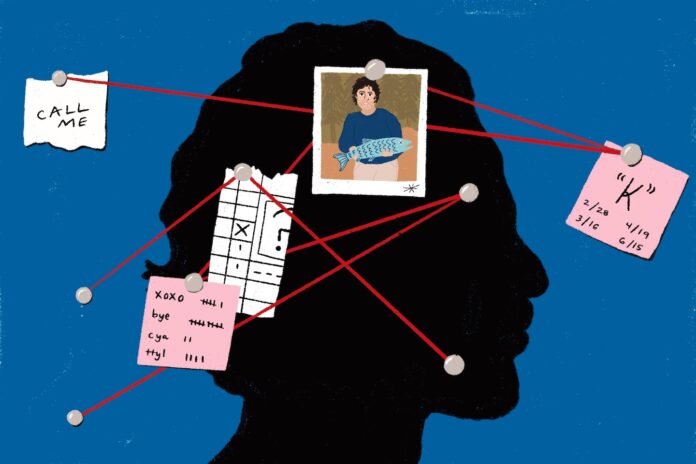
In the intricate tapestry of modern relationships and societal dynamics, emotional labor emerges as a silent force — a largely invisible yet indispensable currency exchanged daily, primarily borne by women. It is a phenomenon so ubiquitous that it often slips unnoticed beneath the surface of routine interactions, yet its implications are profound, touching upon the very fabric of gender relations, power structures, and cultural expectations. Why are women frequently the default custodians of this intangible yet exhaustive work? The question is both simple in appearance and labyrinthine in its underpinnings, revealing the complex interplay of historical legacies, psychological conditioning, and sociopolitical machinations.
Understanding Emotional Labor: Beyond the Surface
Emotional labor, in its essence, transcends mere feelings or occasional displays of empathy. It involves the deliberate management of emotions—to soothe, to sustain, to negotiate interpersonal dynamics—undertaken as a strategic, often unpaid obligation. This labor is not confined to personal relationships; it permeates workplaces, families, and societal structures. Women, more frequently than men, are expected to perform this labor effortlessly, decoding moods, anticipating needs, and maintaining harmony. This expectation is not just a cultural artifact but a codified social norm, perpetuating a paradox where emotional expertise is demanded yet devalued.
The Invisible Burden in Relationships
Within intimate partnerships, emotional labor functions as a covert scaffold sustaining relational stability. Women find themselves as the default negotiators of feelings, moderators of conflicts, and architects of emotional safety. They memorize birthdays, mediate family expectations, and silently manage their partner’s anxieties. The process is repetitive, exhausting, and often unacknowledged. This ceaseless work fosters resentment but is frequently cloaked in societal approval, framed as natural female disposition or nurturing instinct. The fascination with women’s adeptness at emotional labor masks a structural imbalance — emotional caretaking is less about individual aptitude and more about imposed roles and silent servicing.
Workplace Dynamics: The Emotional Undercurrent
The corporate sphere reveals another battleground where emotional labor’s gendered characteristics manifest conspicuously. Women disproportionately inhabit roles requiring exceptional interpersonal skills, such as human resources, customer service, or team coordination. There, the emotional toll accumulates through managing colleagues’ tensions, fostering teamwork, and offering unremunerated reassurance. Unlike tangible outputs marked on performance reviews, this invisible work evades formal recognition or compensation, framing women’s affective contributions as intrinsic to their femininity rather than professional merit. This persistent undervaluation perpetuates occupational disparities and contributes to burnout.
Societal Conditioning and the Roots of Expectation
The fascination with emotional labor is deeply entwined with historical constructions of gender. Patriarchal societies have long dictated a binary where women embody emotional receptacles—bearing suffering, nurturing offspring, and managing social cohesion—while men symbolized rationality and external provision. These archetypes endure, subtly shaping collective consciousness and individual behavior. Girls are socialized to hone emotional intelligence and prioritize others’ feelings, embedding a predisposition to accept and perform emotional labor. This conditioning is reinforced by media portrayals, educational norms, and family dynamics, perpetuating a normative script that often goes unquestioned.
Intersectionality: Compounding Complexities
Emotional labor does not operate in a vacuum; it intersects with race, class, and cultural expectations, complicating its distribution and impact. Women of marginalized communities often endure compounded emotional labor, both within their households and in racially stratified workplaces. They navigate additional layers of expectation—acting as cultural translators, advocates, or emotional buffers against systemic prejudice and microaggressions. The convergence of multiple identities exacerbates the labor’s intensity and invisibility, rendering emotional labor not merely a private inconvenience but a public injustice demanding recognition and redress.
Psychological Consequences: The Cost of Carrying the Weight
Long-term engagement in emotional labor exacts a psychological toll. The relentless necessity to suppress personal grievances, to perform emotional management regardless of one’s internal state, precipitates stress, anxiety, and emotional exhaustion. This dissonance—the gap between felt emotion and expressed emotion—can erode self-worth and agency. Women internalize a dual mandate: to care selflessly and to appear unaffected by the labor’s burden. This façade perpetuates invisibility, obscuring the labor’s true cost and impeding open discourse about mental health and equitable division of relational responsibilities.
Reimagining Emotional Labor: Toward Collective Accountability
Transforming emotional labor into a shared societal asset requires a paradigmatic shift in how we define work, value emotions, and distribute caregiving roles. It demands recognition that emotional labor is skilled, strategic, and taxing rather than innate or optional. Encouraging equitable sharing in relationships, promoting organizational policies that acknowledge and compensate affective contributions, and dismantling gendered stereotypes are pivotal steps. Cultivating emotional literacy in all genders can redistribute the emotional economy and foster healthier, more authentic connections at home and beyond.
Feminism and the Radical Politics of Emotional Labor
At its core, addressing emotional labor through a feminist lens is a radical act. It challenges dominant power dynamics, disrupts normalized gender roles, and advocates for structural reforms. Feminism exposes the emotional labor entanglement as a site of both subtle oppression and potential empowerment. By making the invisible visible, it invites a collective reckoning with how emotional economies shape our lives. The praxis of feminism calls not only for acknowledgment but also for tangible change—redistributing emotional burdens and crafting a culture where labor, both visible and invisible, is valued equitably.
Conclusion: Unveiling the Hidden Economy
Emotional labor is a complex, elusive fabric woven into the daily experiences of women worldwide. Its pervasiveness and invisibility create a paradoxical fascination—wondering how women manage such unpaid, intangible work with grace, while glossing over the structural inequities enabling such expectations. To dismantle this system requires more than awareness; it necessitates disruption and collective responsibility. Recognizing emotional labor as genuine labor and redistributing it fairly is not merely a feminist ideal but a necessary step toward a more just, empathetic society.