What if the most ferocious defenders of “our daughters” were, in fact, the architects of their economic undoing? What if the very rhetoric they wield—so polished, so performative, so dripping with faux paternalistic concern—was nothing more than a smokescreen for a deeper, more insidious agenda: the consolidation of patriarchal power under the guise of protection? Feminism has long exposed the hypocrisy of those who claim to safeguard women while systematically dismantling the structures that could truly liberate them. Yet, in the shadow of anti-trans hysteria, a new villain has been conjured: the transgender community. But let’s not be fooled. The real enemy isn’t who you think it is. It’s economic insecurity, dressed in the garb of moral panic.
The Myth of the Fragile Daughter: How Protectionism Becomes Oppression
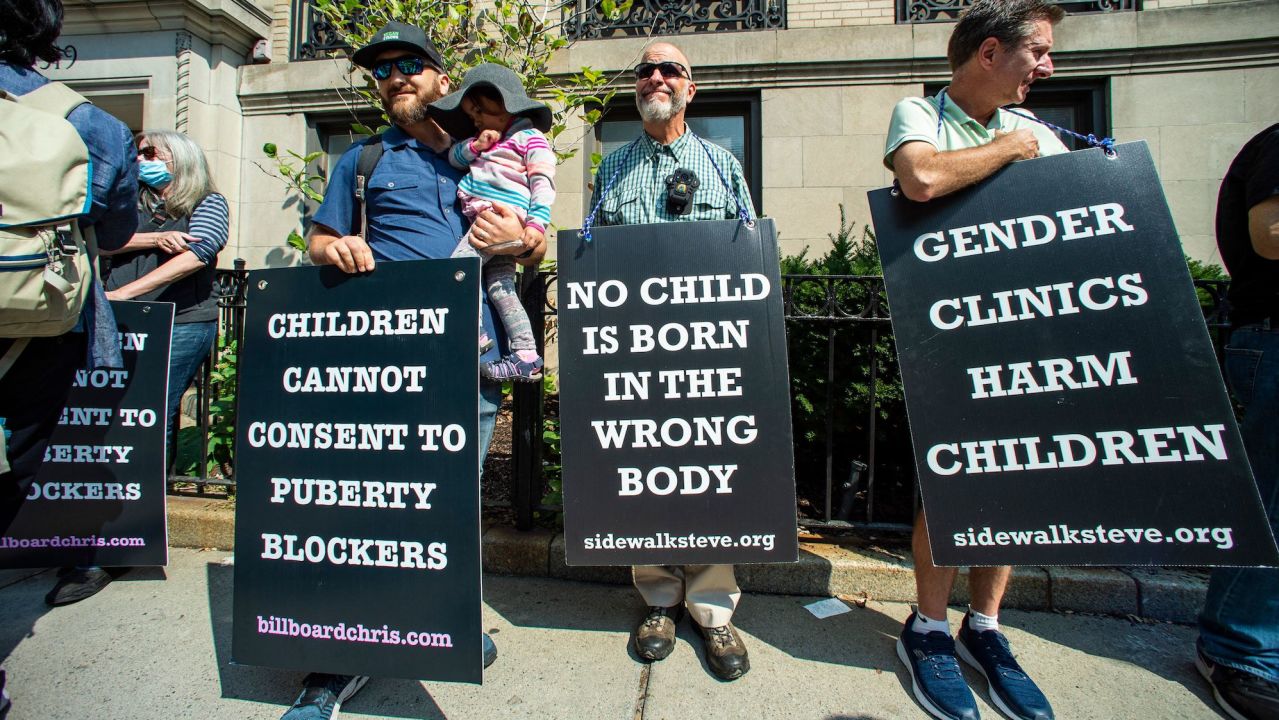
Picture this: a father, arms crossed, brow furrowed, standing sentinel at the gates of his daughter’s future. His weapon? Not a sword, but a slogan: “Protect our daughters.” The target? Not predators, not systemic inequality, but the very existence of trans girls in school bathrooms, locker rooms, and sports teams. The irony? This performative guardianship is a Trojan horse, smuggling in policies that erode the economic foundations of all women—not just trans women, but cis women too. When legislators pass bathroom bills or ban trans girls from sports, they’re not protecting daughters. They’re ensuring that the daughters of tomorrow remain trapped in the same economic ruts as the daughters of today: underpaid, overworked, and dependent on a system rigged against them.
Consider the data: states with the most restrictive anti-trans laws also have some of the highest gender pay gaps in the nation. Coincidence? Hardly. Economic insecurity thrives in environments where fear is weaponized. When women—cis and trans alike—are pitted against each other in a zero-sum game of “who deserves rights,” the real beneficiaries are the corporations and politicians who profit from division. The “protect our daughters” crowd isn’t fighting for economic justice; they’re fighting for the right to keep women economically vulnerable, ensuring they remain dependent on male-dominated structures for survival.
The Labor Market’s Silent War: How Anti-Trans Policies Undermine All Women
Let’s talk about the economy, shall we? Because that’s where the rubber meets the road. Anti-trans legislation doesn’t just target trans individuals—it sends a chilling message to every woman who dares to challenge the status quo. When a trans girl is barred from using the girls’ bathroom, the subtext is clear: women’s spaces are not for women to define. They are for men to police. And when men police women’s spaces, they also police women’s wages, women’s promotions, and women’s autonomy. The result? A labor market where women—especially women of color and working-class women—are funneled into lower-paying jobs, denied leadership roles, and forced into precarious gig work.
Take healthcare, for example. States with anti-trans laws often have the fewest protections for women’s reproductive rights, the least access to affordable childcare, and the weakest paid leave policies. Why? Because when the focus shifts from systemic change to moral outrage, the real issues—like the gender pay gap, workplace discrimination, and the lack of affordable healthcare—get buried under a mountain of performative legislation. The “protect our daughters” crowd doesn’t want to uplift women; they want to keep them distracted, divided, and desperate. And in that desperation, they’ll accept any job, any wage, any condition—just to survive.
The Illusion of Safety: How Fear Fuels Economic Exploitation
There’s a word for the phenomenon where marginalized groups are pitted against each other in the name of “safety”: divide and conquer. And it’s not just a historical relic—it’s a living, breathing strategy in today’s political landscape. When anti-trans rhetoric dominates the airwaves, it drowns out the voices of women fighting for equal pay, affordable housing, and reproductive justice. It shifts the Overton window, making radical change seem impossible while incrementalism feels like revolution. Meanwhile, the real predators—corporate overlords, landlords, and politicians—rake in the profits, laughing all the way to the bank.
Consider the gig economy, where women—disproportionately women of color—are overrepresented in low-wage, precarious work. These jobs offer no benefits, no job security, and no path to advancement. But they do offer one thing: a false sense of safety. Because in a world where trans women are barred from public restrooms, where cis women are told they must “compromise” their rights for the sake of “traditional values,” the gig economy becomes a refuge. A place where women can work without fear of harassment, without fear of being fired for being pregnant, without fear of being passed over for a promotion because they dared to ask for a raise. But this refuge is an illusion. It’s a cage disguised as freedom.
The Radical Possibility: What If We Demanded More Than Protection?
So what’s the alternative? What if, instead of fighting over who gets to use which bathroom, we demanded economic justice for all women? What if we recognized that the fight for trans rights isn’t a distraction from feminism—it’s a necessary part of it? Because trans women aren’t just fighting for their own liberation; they’re fighting for the liberation of all women. When trans women are denied healthcare, they’re denied the right to live authentically. When trans women are barred from sports, they’re denied the right to thrive. And when trans women are erased from public life, all women lose a powerful ally in the fight against patriarchy.
Imagine a world where women—cis and trans alike—had the economic security to make their own choices. A world where paid leave, affordable childcare, and equal pay weren’t radical demands but basic human rights. A world where the “protect our daughters” crowd had to answer for their complicity in keeping women economically vulnerable. That world isn’t a fantasy. It’s a possibility. But it requires us to see through the smokescreen of moral panic and recognize the real enemy: a system that profits from our division.
The next time someone tells you they’re fighting to “protect our daughters,” ask them this: Protect them from what? From trans girls using the bathroom? Or from a world where their economic future is dictated by men who care more about their own power than their well-being? The answer, of course, is both. And that’s the problem.