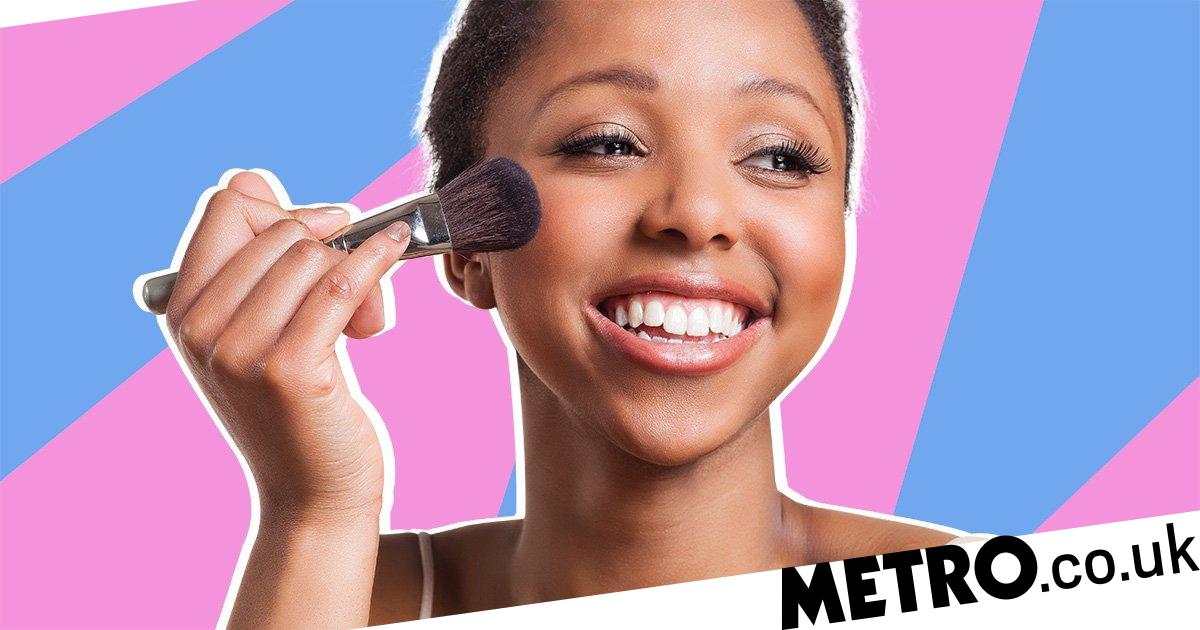
Makeup. A seemingly innocuous blend of pigments and powders, but beneath the surface lies a contentious battlefield where feminist ideologies clash with societal expectations. Is makeup a mere tool of oppression, a symbol of patriarchal standards imposed upon women? Or could choosing to forego it, rather than embracing it as a declaration of empowerment, be a radical feminist act in itself? This narrative seeks to unravel the complex tapestry of makeup within feminist discourse and provoke a reconsideration that transcends binary judgments.
Redefining Feminism Beyond Appearance
Feminism has long been entangled with the appearance debate: wear makeup to assert control over your body, or reject it to defy societal pressures. Both positions claim feminist legitimacy, yet both also trap women in prescriptive roles—either the “empowered beautifier” or the “defiant natural.” It is crucial to transcend this dichotomy. Feminism at its core champions autonomy—not just the freedom to conform to beauty standards, but equally the right to reject them outright without censure or suspicion.
This shift in perspective demands dismantling the reductive view that makeup usage or abstention inherently signals compliance or rebellion. Instead, the focus must be on the individual’s uncoerced choice, empowered by self-awareness rather than societal scripts. It challenges us to embrace a feminism equipped to honor complexity and reject simplistic moral binaries.
Makeup: A Historical and Cultural Palimpsest
Peek beneath the modern veneer of foundation and eyeliner, and you encounter a historical palimpsest rich with irony and contradiction. Makeup’s origins straddle both empowerment and control: ancient queens used cosmetics as symbols of status and ritual; the Victorian era’s disdain painted it as a garish facade linked to morality;
Yet, during pivotal feminist moments in the 20th century, makeup became a dual symbol—on one hand, a tool for women to reclaim and celebrate femininity; on the other, a weapon wielded by industries profiting off insecurities fashioned by patriarchal ideals. This ambivalence complicates any simplistic feminist stance and demands a nuanced interrogation about what makeup means in today’s world.
The Radical Act of Opting Out
Choosing not to wear makeup can be a radical assertion of personal sovereignty. It rejects the subtext of “fit to be seen” that society often tacitly demands from women and disrupts the invisible contracts linking femininity with cosmetic adornment. More than a mere aesthetic decision, it becomes an act that unsettles entrenched expectations.
However, the feminist argument for opting out transcends the rejection of makeup’s surface. It asks us to scrutinize the social conditioning that frames women’s appearances as public property and their choices as public debates. It insists on the right to exist outside these frameworks, compelling us to honor women’s bodies and choices free from judgment or presumption.
Judgment and the Tyranny of Feminist Gatekeeping
The world within feminism is not immune to the very judgments it seeks to dismantle. Women who choose not to wear makeup frequently face suspicion, sometimes from fellow feminists. Are they perceived as “rejecting femininity” or “coddling patriarchy” through indifference? Such presumptions betray a subtle yet pernicious gatekeeping that polices women’s choices.
This internal policing fuels division rather than solidarity, undermining feminism’s ability to unite around shared values of autonomy and respect. Recognizing the plurality of feminist expressions means relinquishing the need to cast choices into binary narratives of right and wrong, freeing women to define their own entanglements with beauty, makeup, and feminism.
Intersectionality and Diverse Experiences with Makeup
Feminism must also reckon with how makeup interacts with intersectional identities—race, class, sexuality, and geography all shape the meanings and implications of makeup usage. For instance, makeup can serve as a crucial site of cultural expression for some communities, an artistic and identity-affirming language rather than a mere aesthetic choice.
Conversely, economic disparities can constrain the “choice” to wear makeup, turning it from an act of liberation into a burdensome expectation. Thus, the feminist argument for opting out—and for refusing judgment—must be attuned to these complexities, affirming that no universal prescription exists, only fluid and personal negotiations within context.
Towards a Feminist Ethos of Radical Respect
What emerges from embracing the multiplicity of relationships with makeup is a feminist ethos grounded in radical respect. This ethos honors every woman’s choice—whether she paints her face with the delicate strokes of artistry or eschews all adornment—in the fullness of her autonomy and layered identity.
It demands moving beyond simplistic cultural scripts and appreciating the nuanced realities behind choices. Here lies the radical promise of feminism: to cultivate a society where personal freedom is not contingent on any outward aesthetic, where makeup is neither ideological battleground nor moral litmus test, but simply a choice made freely, and free from judgment.
Conclusion: Provoking a New Feminist Dialogue
Makeup and feminism are entangled in a complex, contradictory relationship—a clash of narratives and expectations. Yet, the feminist argument for opting out and for honoring those choices not only challenges patriarchal notions but invites a more expansive, inclusive feminism. A feminism that relinquishes its own gatekeeping, that embraces diversity in expression and identity, and that ultimately equips women with the sovereignty to define beauty—and their own politics—as they see fit.
In doing so, feminism moves closer to its revolutionary core: liberating bodies, minds, and stories from constraint. So let us be provocative, yes, but also expansive, curious, and above all, respectful. For within this dialogue lies the transformative potential to rewrite what feminism can be, starting with something as deceptively simple—and profoundly political—as makeup.