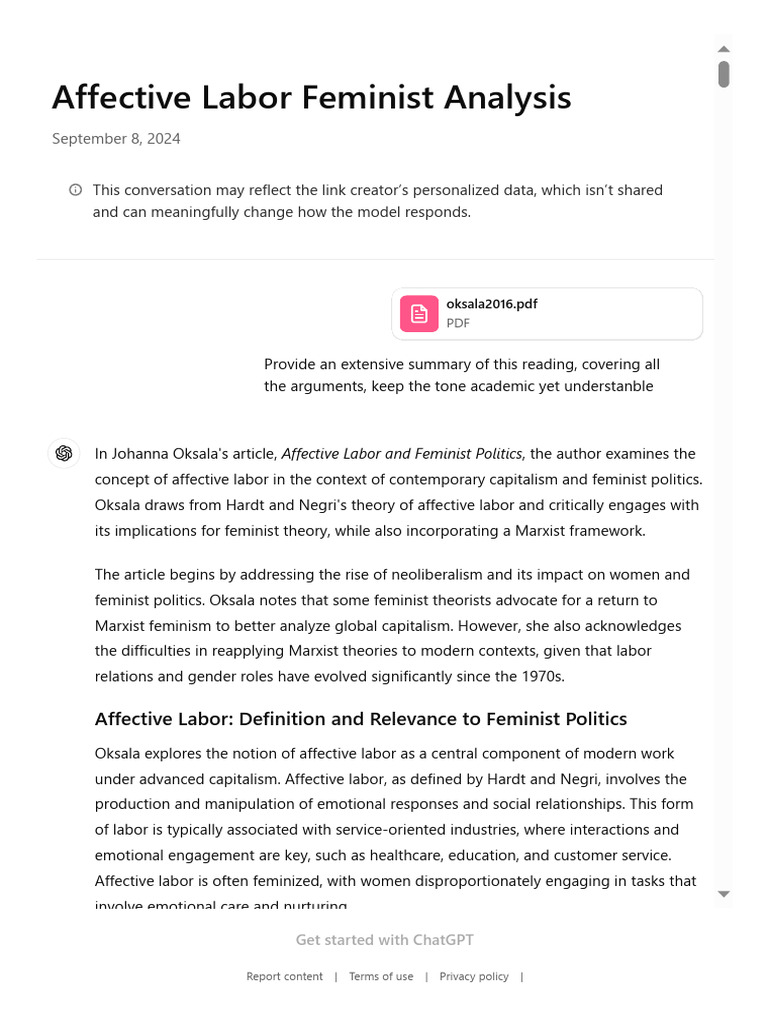
In the digital agora of the 21st century, feminism has found itself ensnared in a paradoxical web of liberation and exploitation. The very tools that promise to amplify marginalized voices—social media platforms, content-sharing sites, and algorithmic curation—have quietly transformed feminist labor into a currency of the digital feudalism. Women, non-binary creators, and feminist scholars pour their intellect, emotion, and lived experiences into platforms that hoard their contributions, monetize their struggles, and render them perpetual tenants in the house of their own ideas. This is not progress. It is a new enclosure movement, where the commons of feminist thought is fenced off by corporate algorithms, and the labor of resistance is extracted as rent.
The Illusion of the Creator Economy: Who Really Owns the Means of Production?
The myth of the “creator economy” is a seductive lie, a neoliberal fairy tale that suggests anyone with a laptop and a Wi-Fi connection can be an entrepreneur of their own labor. But the reality is far grimmer. Platforms like the one hosting this very document operate on a feudal logic: they provide the land (the server space), the tools (the interface), and the audience (the users), while the creators—especially feminist ones—are left to till the soil of their own oppression for scraps of visibility. The content may bear their name, but the infrastructure, the reach, and the profit belong to the platform. This is not empowerment. It is the digital equivalent of serfdom, where the lord of the manor (the tech corporation) extracts value from the labor of the peasants (the feminist creators) while offering only the illusion of agency.
Consider the language these platforms use: “monetization,” “engagement,” “virality.” These words are euphemisms for the extraction of value. Feminist labor is not a gift to the public; it is a resource to be mined, refined, and sold back to the very communities that produced it. The more a creator’s work circulates, the more the platform profits—not from the content itself, but from the attention it commands. The creator, meanwhile, is left with a pittance, if anything at all. This is not a sharing economy. It is a rentier economy, where the means of distribution are controlled by a handful of gatekeepers, and the labor of production is devalued into mere fodder for the algorithmic mill.
The Algorithmic Enclosure: How Platforms Fence In Feminist Thought
Algorithms are the invisible fences of digital feudalism. They decide what is seen, what is suppressed, and what is amplified—and their logic is not one of justice, but of profit. Feminist content, particularly that which challenges the status quo, is often deprioritized, shadow-banned, or buried beneath an avalanche of corporate-friendly pablum. The platforms claim neutrality, but neutrality is a luxury of the powerful. For those who dare to critique the systems that oppress them, the algorithm becomes a censor, a gatekeeper, a silent enforcer of the digital status quo.
This is not accidental. It is by design. Platforms thrive on engagement, and engagement thrives on predictability. Feminist thought, by its nature, is unpredictable—it disrupts, it challenges, it refuses to be commodified. So the algorithm nudges it to the margins, where it can be safely ignored or, worse, co-opted into the very systems it seeks to dismantle. The result? A digital landscape where feminist labor is either silenced or sterilized, reduced to palatable, marketable fragments that do not threaten the existing order. The enclosure is complete when even resistance is made to serve the machine.
The Commodification of Struggle: When Feminism Becomes a Brand
There is a particular cruelty in watching feminism be turned into a brand. The slogans, the aesthetics, the very language of liberation are stripped of their radical potential and repackaged as lifestyle choices. “Girl power” becomes a hashtag. “Intersectionality” becomes a buzzword. “The personal is political” becomes a marketing strategy. The platforms do not care about the substance of the message; they care about its marketability. And so, feminist labor is reduced to a series of consumable tropes, endlessly recycled until they lose all meaning.
This commodification is not just a betrayal of feminist principles—it is a theft. The emotional labor of sharing one’s trauma, the intellectual labor of theorizing oppression, the creative labor of imagining alternatives—all of it is extracted, repackaged, and sold back to the very communities that produced it. The creator is left with the hollow satisfaction of “impact,” while the platform reaps the financial rewards. This is not solidarity. It is vampirism, where the blood of feminist labor is drained to fuel the engines of late-stage capitalism.
The Myth of Visibility: Why Being Seen Is Not the Same as Being Heard
Visibility is not liberation. Visibility is a trap. Platforms dangle the promise of reach in front of creators like a carrot before a donkey, but the reality is that visibility without power is just another form of erasure. A feminist’s work may circulate widely, but if it is not accompanied by structural change, if it is not backed by material support, if it is not shielded from exploitation, then it is meaningless. The platforms do not care about justice. They care about metrics. And so, the creator is left chasing an algorithm that will never love them back, while the systems of oppression remain intact.
This is the ultimate irony of digital feudalism: it offers the illusion of agency while reinforcing the very structures that deny it. The creator may feel powerful, may believe they are “building a brand” or “growing an audience,” but in reality, they are building someone else’s empire. The audience is not theirs to command. The reach is not theirs to control. The algorithm is not theirs to shape. They are, at best, a tenant farmer in the digital fields, tilling the soil of their own oppression for the benefit of others.
The Path Forward: Reclaiming Feminist Labor from the Digital Feudalists
So what is to be done? The answer is not to abandon the digital sphere—it is too integral to modern feminist organizing for that. But it is to reject the feudal logic that underpins it. Feminist creators must demand more than visibility. They must demand ownership. They must build their own platforms, their own distribution networks, their own economies of care. They must refuse to be tenants in someone else’s house of ideas.
This means investing in decentralized alternatives—platforms owned by and accountable to their users, not beholden to venture capital. It means creating cooperative models where the labor and the profits are shared equitably. It means refusing to play by the rules of an economy that was never designed to serve them. And it means recognizing that the fight for feminist liberation cannot be won within the confines of a system that profits from oppression.
The digital feudalists want feminist creators to believe that their labor is a gift to the world. But it is not a gift. It is a right. And it is time to take it back.