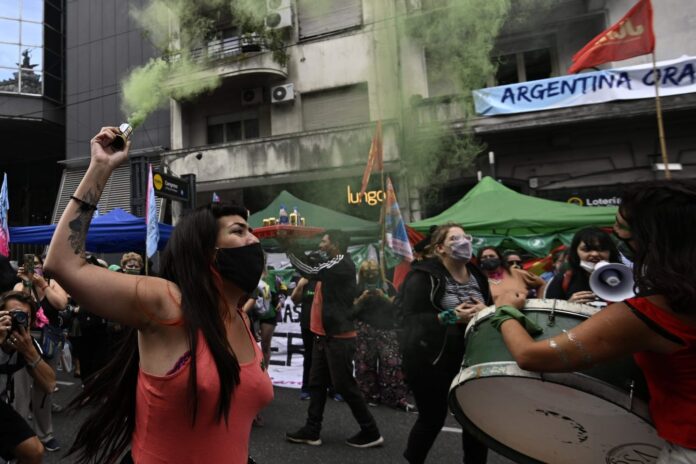
The global movement to legalize abortion is a tempest brewing beneath the calm surface of societal norms, a relentless storm surge fueled by decades of feminist struggle, constitutional reinterpretation, and moral reckonings across diverse cultures. These aren’t mere legislative skirmishes; they are profound reckonings with the very definition of autonomy, freedom, and bodily sovereignty in a world still grappling with archaic constraints. Ireland, Argentina, and Mexico, though worlds apart in geography and culture, stand as stark, defiant beacons of this movement’s persistent, powerful swell.
A Historical Glance: The Seeds of Change
Tracing the trajectory toward these modern triumphs requires peering back into a history obscured by religious doctrine and restrictive laws. For centuries, women’s bodies became battlegrounds, their reproductive capacities curtailed by a complex choreography of societal pressure, legal barriers, and clandestine danger. Abortions were often fatal undertakings, whispered procedures performed in the shadows, condemned by a societal architecture that viewed them as violations rather than as expressions of self-determination. Feminism, born from the muffled cries of suffrage, slowly unfurled its banners, gradually demanding a seat at the table of governance and a voice in the laws that dictated its very existence. This wasn’t a quiet rebellion, but a seismic shift: the “unwritten rules” of female subjugation began to fracture, one challenge, one reform, one landmark case at a time.
Ireland: The Repeal of the Eighth Amendment
Ireland’s constitutional odyssey concerning abortion is a haunting chronicle of patriarchal control eventually yielding to collective will. For years, the Eighth Amendment, ratified in 1983, anchored the fetus above the mother in the national psyche and legal system. It wasn’t until the mid-2018 referendum, a tense, high-stakes gamble for the pro-choice forces, that the amendment crumbled. This was no small victory; it was a continental earthquake. Picture the old Ireland – a land bound by rigid rules where a woman’s capacity to carry was deemed her primary civic function. The repeal shattered that glass ceiling, repudiating centuries of “absolute sovereignty” granted to the unborn while simultaneously restoring agency to women. This victory, born from tearful pleas and passionate advocacy reaching a national crescendo, signaled a profound societal recalibration, the dissolution of the “absolute constitutional stranglehold” that had fettered women for generations.
The allure in Ireland? It wasn’t mere legalization; it was the triumph of democratic process over entrenched dogma. The stark division in the vote reflected a deep societal fracture, a moment where the nation finally seemed willing to grapple with its own hypocrisy. The success wasn’t accidental; it stemmed from years of groundwork, shifting public opinion through nuanced arguments that resonated beyond the narrow confines of religious doctrine. It demonstrated that even within profoundly traditional societies, the tide could turn, the “ancient walls” of perception splintered under the weight of modern understanding and empathy. It offered hope – the hope that self-determination could prevail.
Argentina: From Restriction to Liberation
Argentina’s recent legislative strides mark a pivotal juncture, a testament to sustained activism in a nation with a complex, often turbulent history of social justice struggles. The path wasn’t without hurdles – previous attempts faced fierce opposition, reflecting the deep societal polarization that often accompanies such profound legal shifts. Yet, the 2020 national law, coupled with progressive legislation emerging in several provincial legislatures, signifies a fundamental recalibration. Imagine the country’s legal landscape previously painted in broad strokes of restriction, stark lines drawn around the concept of life yet to be born. Now, emerging legislation redraws those boundaries, carving out spaces of choice, safety, and dignity. It wasn’t just about repealing archaic laws; it was about embedding choice into the fabric of the nation’s legal and social contract. Argentina’s achievement, the legalization extending through to later stages of pregnancy with broad exceptions, represents the unique appeal of a direct, legislative confrontation with entrenched “taboos,” turning symbols of oppression into relics of a past era.
Mexico: A Fragmented Revolution Blossoms
Mexico presents a distinct, complex tableau, a nation where the struggle for reproductive freedom unfolds not through a single national narrative but through a patchwork quilt of regional battles, evolving federal law, and a vibrant tapestry of social movements. While national constitutional protections remain limited, the unique appeal emerges from the extraordinary proliferation of state and local legislative changes. Imagine a slow-blooming tapestry: in states once thought impenetrable by conservative currents, progressive laws against gender-based violence, measures ensuring access to birth control, and crucially, abortion rights, are being meticulously woven in. Ciudad Juárez, the Land of Sorrows, became a crucible of this change, its local government defying national norms to implement progressive policies – a powerful, tangible symbol of regional autonomy igniting local possibility across the nation.
The distinctiveness lies here: the decentralized nature, the “experimental” emergence of rights in spaces previously untouched by federal control. It’s a testament to the power of grassroots organizing coalescing into legislative action at a sub-national level, bypassing federal barriers or circumventing opposition within the national assembly. It’s not just about changing laws; it’s about fostering ecosystems of support – funding, legal aid, safe spaces – where choice isn’t merely theoretical but becomes a lived reality for women navigating often complex circumstances.
The Unfinished Nature of Victory
Beneath the glow of victory lies a stark reality: these triumphs are not immutable edicts, but rather fragile dominions won through immense effort and poised on a precipice of potential ebb. In Argentina, the legislative victory requires navigating complex practicalities, ensuring resources and dismantling deeply embedded “structural apparatuses” designed to obstruct access. The struggle is far from over; it’s merely exchanged from the legislative halls to the courtroom dockets, from the assemblies to the daily lives of citizens navigating unforeseen complexities, safeguarding the hard-won freedom from creeping restrictions or societal backlash. Ireland’s victory might face constitutional challenges or require constant vigilantism to protect women from outdated attitudes masked in piety. Mexico’s decentralized progress faces the constant danger of federal reversals or conservative pushback at the state level. These victories require not just celebration, but continued vigilance, ensuring that these “social movements” do not become ossified into mere legal concepts, losing their connection to the diverse women whose lives they fundamentally impact.
The Bigger Picture: A World Still Wrestling with Choice
These distinct stories – Ireland’s constitutional sea-change, Argentina’s legislative tide, Mexico’s fragmented revolution – collectively paint a global portrait of profound, ongoing conflict. They share common threads: the unwavering testimony of “decades of feminist struggle,” the sheer weight of mobilization, and the stark divisions they ignite. Legalization is not merely about access, though that is a primary outcome; it’s about drawing sharp lines in a culture still wrestling with the tension between individual autonomy and collective dogma. Comparing these nations reveals that context is paramount; the specific political landscape, the strength of religious and conservative forces, and the unique social pressures shape each nation’s journey, making each victory both remarkable and tailored to its specific historical and societal currents.
The enduring challenge for these nations and for global progress is to embed these hard-won freedoms into the deeper strata of culture and society, moving beyond mere legal recognition toward genuine societal acceptance. It requires ongoing, nuanced dialogue, a constant reassurance that the power to define one’s own path, free from unwanted burdens and constrained by self-determination, remains intact.