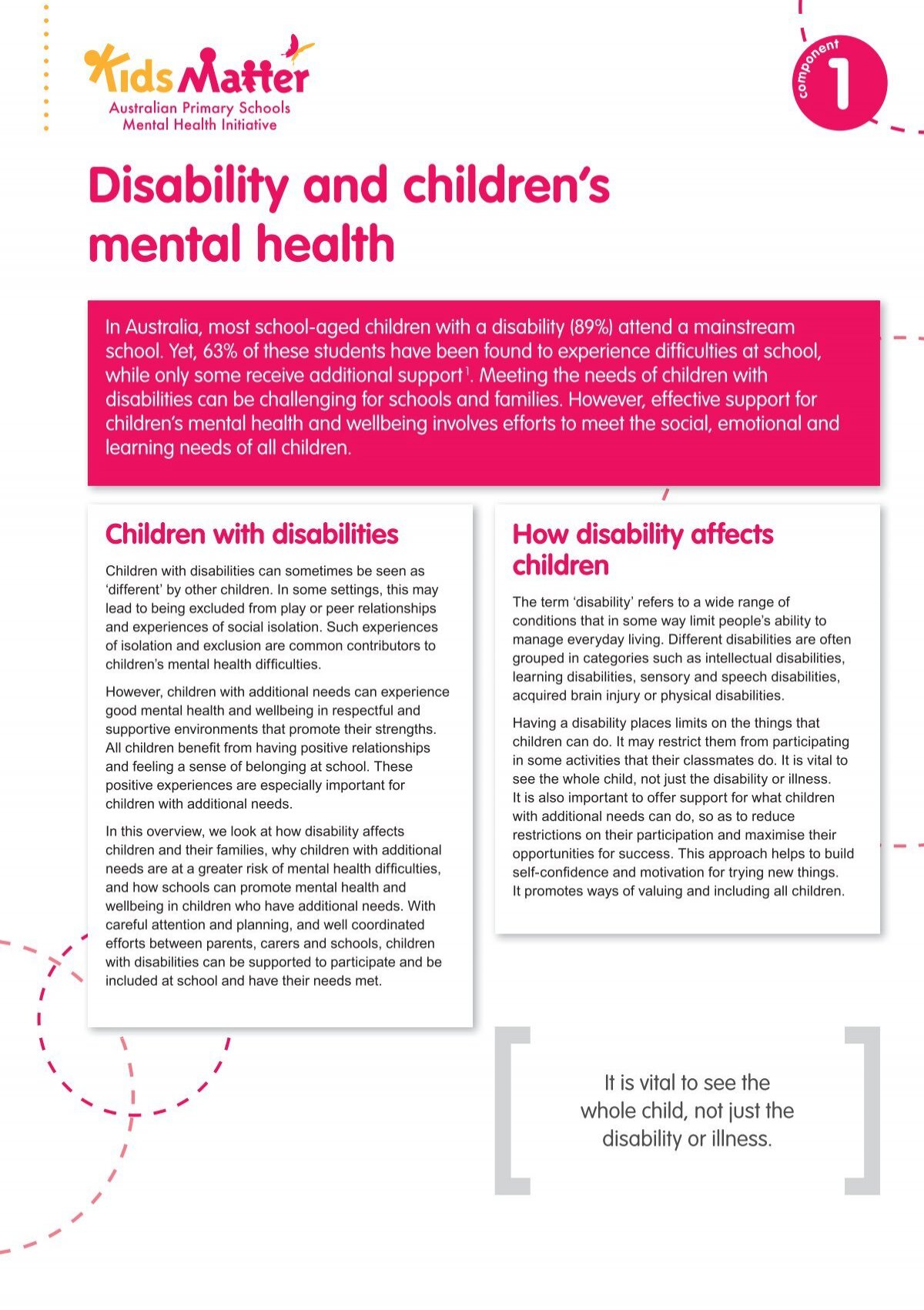
Ever stopped to wonder why the phrase “mental load” sounds like it belongs in a physics lecture but actually lives in the mind of millions of caregivers—mostly women—managing the intricate realities of raising a child with a disability or chronic illness? Feminism has long sought to dismantle gendered labor paradigms, but little is spoken about the invisible, relentless cognitive juggernaut carried by mothers and female caregivers in these circumstances. What happens when the fight for equality collides with the unforgiving demands of caregiving? The answer is neither simple nor comfortable.
The Invisible Ledger: What Is the Mental Load, Really?
The “mental load” is not just a passive burden but an active, omnipresent force. It’s that ceaseless, nagging consciousness of everything that must be remembered, monitored, and planned. For parents of neurotypical children, this includes school meetings, social calendars, and meal planning. For families navigating disability or chronic illness, the ledger expands exponentially—medication schedules, therapy appointments, intricate insurance negotiations, and the constant calibration of emotional and physical needs. This cognitive inventory rarely makes headlines but governs every decision, moment, and interaction.
In this labyrinth, women often find themselves not only managing these tasks but also anticipating future snafus, advocating in health systems structured without their lived reality in mind, and cushioning the emotional fallout for everyone involved. Mental load, in this context, transcends simple multitasking; it becomes an exhausting, relentless form of management.
Feminism’s Paradox: Liberation vs. Entrenchment
Feminism advocates dismantling patriarchal norms and championing shared responsibilities, yet the mental load reveals a paradox. While women have gained unprecedented access to education, employment, and autonomy, the caregiving paradigm quietly resists redistribution. Society’s expectation that women should bear the emotional and often invisible labor intensifies when a child requires extra care.
Rather than liberating women from domestic confinement, feminism now faces a challenge: how to renegotiate caregiving roles in a world where the stakes are higher and the logistics far more complicated. For many women, the mental load becomes a double bind—pushed to excel both in professional realms and as the tireless advocate and manager for their child’s complex needs. The promised equality remains elusive, tangling with the reality of intensified demands.
The Choreography of Chronic Care: Coordination Without Recognition
Managing a child’s disability or chronic illness is not episodic; it’s a life choreography, often without rehearsals, scripts, or intermissions. The mental load encompasses juggling time-sensitive medications, coordinating between a bewildering array of specialists, therapists, educators, and support networks, often navigating bureaucratic landscapes riddled with inadequate resources and systemic gaps.
These responsibilities rarely receive acknowledgment. There is no applause for the midnight medication checks or the nerve-wracking meetings with insurance companies where lives hang in the balance. This ceaseless mental exertion shapes identities, relationships, and life choices. Women bear this burden with little societal validation, silently weaving the intangible threads holding these fragile support systems together.
Emotional Architecture: The Blueprint of Relentless Advocacy
Beyond logistics, the mental load includes an emotional architecture—caregivers scaffold their child’s world with endless empathy, vigilance, and resilience. They serve as emotional translators, deciphering needs that the child may struggle to articulate; as advocates, pitching battles in systems not designed for their child’s specific challenges; and as unwavering sources of stability amid chaos.
This element of mental load is a psychological tightrope walk. Maintaining hope without succumbing to despair, setting boundaries while remaining available, and simultaneously managing personal mental health is Herculean. Feminism’s call for agency wrestles with these realities, exposing fissures where support and acknowledgement must urgently increase.
The Gendered Algorithm: Why Are Women Still Bearing the Brunt?
How did caregiving become a gendered algorithm with women as the default operators? Cultural scripts, social conditioning, and systemic inequities coalesce into a persistent reality where mental load is disproportionately female. From childhood, caregiving skills and emotional labor are often implicitly assigned to girls, reinforcing a normalized expectation rather than a chosen role.
When chronic illness enters the equation, these entrenched gender roles harden, despite feminist gains in other spheres. The societal infrastructure—from workplace policies lacking adequate flexibility to health care systems that assume a female caregiver—fails to disrupt this cycle. The mental load remains a quiet yet pungent testament to the incomplete revolution of gender equality.
The Ripple Effect: Impact on Identity, Relationships, and Wellbeing
The cognitive and emotional siege exacted by managing a child with disabilities or chronic illness affects more than daily logistics. It reshapes identity—women often grapple with feelings of invisibility, guilt, and exhaustion. Professional ambitions may be sidelined or sacrificed, social lives contracted, and their own health jeopardized by relentless caregiving demands.
Relationships also feel the tremors. Marital dynamics may strain under unbalanced caregiving loads, siblings navigate their own emotional turmoil, and friendships falter due to time scarcity. The compound effect is significant: women not only carry a physical and mental workload but also navigate a labyrinth of nuanced emotional terrain, often alone.
Towards a Radical Reimagining: Distributing the Mental Load
Addressing the mental load borne by women caring for children with disabilities or chronic illnesses demands a radical reimagining of social, institutional, and interpersonal paradigms. Redistribution is not merely a domestic negotiation but a systemic imperative—advocating for equitable workplace policies, accessible and integrated healthcare, and community supports that recognize and act upon these invisible burdens.
Moreover, transforming cultural narratives around caregiving is crucial. Men must be encouraged and empowered to step beyond traditional roles, genuinely sharing in advocacy, coordination, and emotional labor. Feminism’s next frontier may well be dismantling the mental load’s monopoly by women—freeing all genders to participate fully in caregiving without forfeiting personal autonomy or societal participation.
Conclusion: Reconciling Feminism with the Inescapable Complexity of Care
The mental load of managing a child with a disability or chronic illness is a dizzying intersection of relentless logistics, emotional resilience, and gendered expectations. Feminism’s promise of liberation collides headlong with caregiving’s unforgiving demands, highlighting the contradictions within patriarchal social structures and the resilience of women who navigate these waters daily.
Looming above this challenge is a call for collective action—recognition, redistribution, and redefinition. Only then can the mental load transform from an invisible weight into a shared responsibility, and the feminist ideal extend genuinely into the realm of caregiving, embracing complexity without surrendering autonomy.