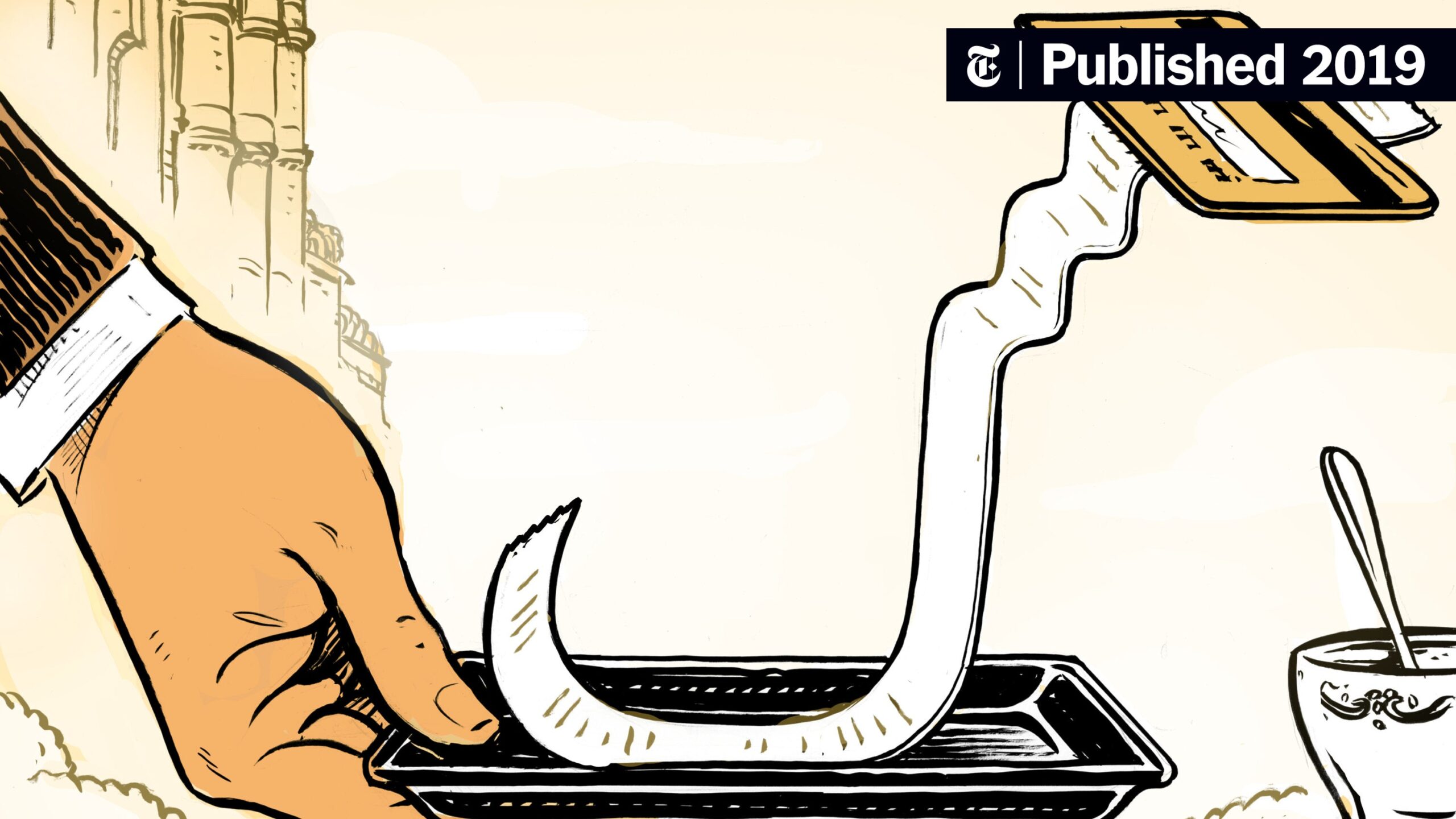
Ever held a receipt, then noticed the price of a razor comparing Tide vs. Persil? Chances are, you’re female. Have you ever paused to consider why a toothbrush looks practically identical across genders, yet costs more for the ‘Woman’ specific version? There’s more to this story than simple consumer choice, and the evidence points to a pervasive, systematic bias woven into the fabric of commerce itself. It’s a phenomenon gaining significant traction in the feminist discourse of our time: the **Pink Tax**. But this isn’t just about lipstick; it’s about the fundamental way our purchasing power, and our worth as consumers, is undervalued.
Defining the Phenomenon: Beyond the Red Lipstick
The Pink Tax isn’t merely about the cost of pink packaging. It encompasses a broad spectrum of gender-based price discrimination. From mundane toiletries to specialized clothing, women consistently pay more for identical or near-identical products compared to their male counterparts. Shampoo, deodorant, razors, laundry detergent – these are not luxurious indulgences, yet they often carry inflated female-specific pricing. The concept, gaining robust traction within feminist circles (as evidenced by countless articles and dedicated analyses like this one), moves beyond anecdotal observation. It delves into intentional subtle design, marketing strategies, physiological differences, and the reinforcement of gender stereotypes, all converging to systematically undervalue women’s spending power. Calling it a tax feels insufficient; it’s an economic inefficiency masquerading as necessity.
The Veiled Obstruction: Unpacking Subtle Design and FunctionalityThe Veiled Obstruction: Unpacking Subtle Design and Functionality
Product design plays a pivotal role in perpetuating the Pink Tax. Frequently, items are ‘gently’ redesigned for women to be technically distinct. A razor might feature curves or ‘feminine contours,’ a hairdryer might offer a ‘gentler wind mode,’ or a bottle of shampoo might be smaller precisely because it’s targeted at women. Are these design elements functionally superior, or do they primarily serve an aesthetic purpose tailored to appeal to female consumers? Often, they are neither. Razors marketed to women are sometimes simply marketed differently – perhaps with more pink, or a slightly different blade configuration that doesn’t necessarily improve shave quality but justifies a higher price point. Consider, for instance, the comparison detailed elsewhere online: it highlights a scenario where a basic product, upon being rebranded for a female-centric market, experiences a noticeable increase in cost without a corresponding enhancement in features or quality. The design shift isn’t inherent but serves to differentiate the product, creating an artificial perception of necessity or improvement.
Deconstructing Deception: The Marketing Mirage
The marketing apparatus surrounding female-targeted products subtly reinforces and amplifies this economic disparity. Advertisements often present these items not just as functional solutions but as essential tools for self-care, identity, and societal acceptance. This emotional branding can unconsciously make consumers less sensitive to the price tag. You’re buying confidence, empowerment, a sense of beauty – the tag price becomes secondary. This strategy cleverly sidesteps a direct comparison with male alternatives, focusing instead on the unique experiences of women. The underlying message can be interpreted as: “Your needs are complex, they require specialized solutions, and therefore, they warrant a higher expenditure.” This resonates deeply, embedding the higher cost into our consumer reality, normalizing the premium as a necessary value-add. Think about how marketing speaks to different facets of identity; it’s a sophisticated, albeit problematic, application of this psychological principle.
The Labyrinth of Laundry: Size, Shape, and the Myth of Specialization
Consider a staple issue: clothing and personal care items size-able complexities. Men’s clothing sizes tend to be standardized across brands with clear guidelines (e.g., S, M, L, XL). Women’s sizes, however, often present a labyrinth, with different brands adhering to varying standards (e.g., Misses vs. Pants Plus, UK sizes vs. US sizes). While acknowledging diverse body shapes is valid, this complexity can be misconstrued not as a need for different-sized garments, but as an implicit justification for higher base prices. This applies even to underwear and socks, where subtle design variations or material differences for “her” versus “his” lines can lead to parallel pricing increases without necessarily addressing unique physiological requirements.
Confronting Conspiring Commodity and Consumer Psychology
The existence of the Pink Tax inadvertently aids companies. They are incentivized to market products separately rather than together, minimizing direct price comparisons between genders and limiting opportunities for economies of scale in female-focused product lines. Women buying their own products reinforces a segmented market, reinforcing brand loyalty at a higher price point. Furthermore, consumers themselves may participate subconsciously. Shy away from questioning the price difference? By accepting the specialized marketing narrative, we implicitly validate the price disparity, making it harder to challenge the status quo. We buy the stories, sometimes without critical examination, allowing the tax to remain an unspoken, yet significant, burden.
Charting the Course: Awareness, Legislation, and the Path Forward
Awareness represents the crucial first step. Campaigns and reports spotlighting the Pink Tax are gaining momentum, igniting public discourse and challenging long-held assumptions. However, legislative solutions have yet to keep pace. The pink tax is frequently a complex issue, further complicated by demonstrably different purchasing behaviors between men and women. Yet, acknowledging the disparity is the essential catalyst. Consumer pressure is paramount; refusing generic products or demanding price transparency can force significant change. Some argue for demanding product standardization across genders to eliminate artificial differences. Others call for dedicated legislation outlawing non-compensable price differentials, akin to initiatives challenging other forms of discrimination. The goal is to strip away the veils, forcing a reality-based comparison of features, function, and price, irrespective of gender. This forces companies to justify marked-up prices, potentially revealing them for the arbitrary construct they often are.
Transcending the Transaction: The Deeper Economic Feminism Implication
Ultimately, the Pink Tax is far more than a consumer annoyance; it represents a tangible, systemic undervaluation. Each dollar overpaid is a small form of economic discrimination, eroding our financial autonomy. Recognizing this extends beyond shopping; it touches upon the broader economic forces that shape our lives. The pink tax signifies a persistent cultural issue. Addressing it is not merely about getting a razor for less; it’s about valuing female consumers, experiences, and purchasing power at their true worth. It’s about rewriting the rules of consumption, demand, and societal valuation, ensuring the scales of commerce are truly balanced.