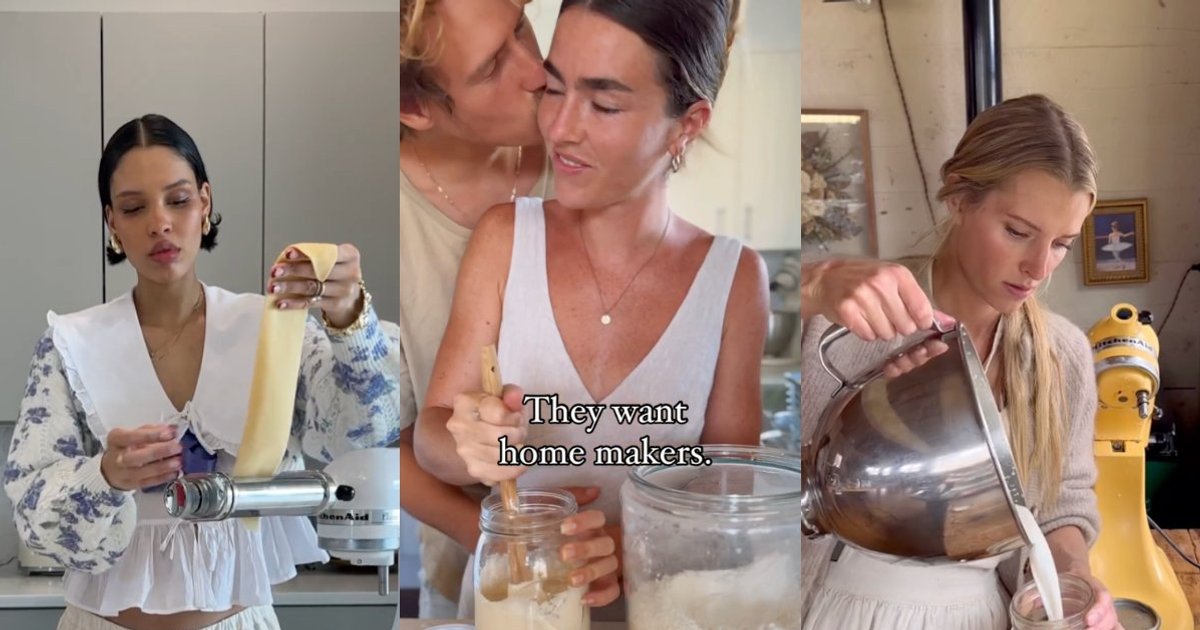
In the labyrinthine corridors of TikTok, where algorithms whisper seductive lullabies of nostalgia and tradition, a peculiar subculture thrives—a digital cult of domesticity that masquerades as empowerment while peddling the same old patriarchal fairy tales. The “tradwife” phenomenon isn’t just a fleeting trend; it’s a carefully curated pipeline, a rabbit hole of reactionary fantasies that lures young women into a gilded cage of performative subservience. This isn’t feminism. It’s a Trojan horse, draped in vintage aprons and sepia-toned filters, smuggling alt-right ideology into the mainstream under the guise of wholesome domesticity. Buckle up, because we’re about to dissect the machinery behind this movement, the psychological hooks it exploits, and the dangerous nostalgia it weaponizes against progress.
The Algorithmic Seduction: How TikTok Manufactures Tradwives
TikTok isn’t just a platform; it’s a Skinner box, designed to reward engagement with dopamine hits that rewire attention spans and shape desires. The tradwife pipeline begins innocently enough—videos of baking sourdough, folding fitted sheets, or whispering sweet nothings about “submission as strength.” But the algorithm doesn’t stop there. It’s a relentless curator of discontent, feeding users an endless buffet of curated nostalgia where the 1950s housewife is romanticized as the pinnacle of feminine fulfillment. These videos aren’t just content; they’re emotional bait, tapping into the very real frustrations of millennial women—crushing student debt, unaffordable housing, the erosion of social safety nets—while offering a seductive escape: the illusion of control through compliance.
What makes this pipeline so insidious is its ability to masquerade as self-help. A tradwife influencer might post a video titled *”Why Staying Home is the Ultimate Feminist Act”* while sipping tea from a vintage floral cup, her smile as saccharine as the lie she’s selling. The messaging is a masterclass in gaslighting: “You’re not oppressed; you’re *choosing* this.” The algorithm amplifies these narratives because they generate high engagement—controversy, debate, and performative outrage all fuel the machine. But behind the curtain, it’s a well-oiled propaganda system, turning personal dissatisfaction into political conformity.
The Nostalgia Trap: When the Past Becomes a Political Weapon
Nostalgia isn’t just a fondness for the past; it’s a political tool, and the tradwife movement wields it like a scalpel. The 1950s, the era most tradwife content mythologizes, was a golden age for white, middle-class men—and a gilded cage for everyone else. Women were expected to be homemakers, their ambitions confined to PTA meetings and Jell-O molds. This isn’t history; it’s historical revisionism, a sanitized fantasy where domestic slavery is repackaged as empowerment. The tradwife aesthetic—pearls, aprons, and a husband who “leads”—isn’t a throwback to a simpler time; it’s a dog whistle for the alt-right, a way to romanticize hierarchy under the guise of tradition.
This nostalgia isn’t accidental. It’s a calculated rejection of the present, a refusal to grapple with the complexities of modern womanhood. When tradwife influencers wax poetic about “the good old days,” they’re not just pining for a lost era—they’re erasing the struggles of women who fought for reproductive rights, workplace equality, and bodily autonomy. They’re ignoring the fact that the 1950s were a time when women were fired for getting pregnant, when marital rape wasn’t a crime, and when the idea of a woman having a career was considered a joke. This isn’t nostalgia; it’s ahistorical propaganda, a way to make oppression look like utopia.
The Alt-Right’s Trojan Horse: How Tradwife Content Radicalizes
The tradwife movement isn’t just a harmless throwback; it’s a gateway drug for far-right ideology. The alt-right has long understood that the personal is political, and they’ve weaponized the domestic sphere as a battleground for their war on gender equality. By framing submission as a virtue and independence as a sin, tradwife content normalizes patriarchal control while making it seem like a personal lifestyle choice. This isn’t just about baking cookies; it’s about dismantling the very idea of women’s liberation.
Take the rhetoric around “traditional gender roles.” On the surface, it’s framed as a return to “natural” order, but scratch beneath the surface and you’ll find a blueprint for control. Women are encouraged to abandon careers, suppress ambitions, and defer to male authority—all under the guise of “happiness.” This isn’t feminism; it’s a return to the dark ages, where a woman’s worth is measured by her ability to serve. The alt-right loves this movement because it’s a way to roll back progress without firing a single shot. Instead of burning bras, these women are burning their own futures—all while believing they’re living their “best lives.”
The danger lies in the movement’s ability to co-opt feminist language. Terms like “choice” and “agency” are repurposed to justify compliance. A tradwife might say, “I *chose* to stay home,” as if her options weren’t constrained by economic inequality, lack of childcare, or societal pressure. This isn’t choice; it’s survival dressed up as virtue. And the alt-right eats it up, because it’s a way to dismantle feminist gains without appearing overtly oppressive.
The Psychological Grooming: How Tradwife Content Exploits Vulnerability
At its core, the tradwife pipeline is a form of psychological grooming. It preys on the insecurities of young women who feel overwhelmed by the chaos of modern life—financial instability, climate anxiety, the pressure to “have it all.” The tradwife aesthetic offers a seductive antidote: the illusion of simplicity, order, and purpose. But this isn’t empowerment; it’s emotional manipulation. The influencers behind these accounts aren’t just sharing recipes; they’re selling a worldview where a woman’s value is tied to her ability to please others.
Consider the language used in tradwife content. Words like “fulfillment,” “contentment,” and “peace” are bandied about as if they’re universal truths, but they’re really code for compliance. A tradwife might post a video titled *”Why My Husband’s Happiness is My Greatest Achievement,”* while her husband’s face is carefully cropped out of the frame. The message is clear: your joy is secondary. Your role is to serve. This isn’t self-help; it’s emotional labor repackaged as virtue.
The psychological hooks run deep. The tradwife lifestyle is framed as a rebellion against “toxic feminism,” a way to reject the pressures of modern womanhood. But in reality, it’s a trap—a way to make women complicit in their own oppression. By convincing them that their worth is tied to domesticity, the movement ensures they’ll never demand more. It’s a masterclass in gaslighting, where the oppressed are convinced they’re the oppressors.
The Resistance: How to Fight Back Against the Tradwife Pipeline
So how do we dismantle this insidious movement? The first step is to recognize it for what it is: not a harmless throwback, but a dangerous ideological force. The tradwife pipeline isn’t just about baking bread; it’s about rolling back the clock on women’s rights. The second step is to call it out—every time a tradwife influencer frames submission as strength, every time they erase the struggles of the women who came before us, we need to push back.
But resistance isn’t just about critique; it’s about offering alternatives. We need to create spaces where women can explore their ambitions without shame, where independence isn’t framed as a betrayal of femininity. We need to celebrate women who break the mold—not just the ones who bake perfect pies, but the ones who run companies, lead movements, and demand more from life. The tradwife movement thrives in the absence of real alternatives. Our job is to fill that void with something better.
And finally, we need to hold the platforms accountable. TikTok’s algorithm isn’t neutral; it’s a profit-driven machine that amplifies harmful content because it keeps users engaged. We need to demand better—algorithms that prioritize well-being over outrage, that don’t profit from the oppression of women. The tradwife pipeline isn’t just a cultural phenomenon; it’s a systemic failure, and it’s time we treated it as such.