In the realm of social activism, feminism stands tall, unfurling its banner high amidst a cacophony of voices demanding equality and justice. One cannot simply glance at this monumental movement without recognizing the audacious, rebellious spirit that pulses through its veins. The pivotal essence of feminist protest movements can be distilled into a singular mantra: Enough is enough! But what ignites these protests, and why is this surge of energized activism particularly captivating for the younger generation? As we delve deeper into the myriad layers of these movements, we will illuminate how they are crafting narratives that resonate, empower, and—dare I say—provoke.
The fervent call for change is reaching a boiling point, and young feminists are at the forefront lifting it that much higher. By examining recent headlines and grassroots activism, we unveil the fervor of today’s feminist protest movements and their indelible impact on the cultural landscape.
Unleashing the Power of Intersectionality
For far too long, the feminist narrative has been dominated by monolithic voices—those of affluent, cisgender, white women. However, the tides of change are ushering in a richer, more diverse chorus. Intersectionality, coined by scholar Kimberlé Crenshaw, is no longer just an academic buzzword; it has become the backbone of contemporary feminist activism. This approach seeks to amplify the voices of women who exist at the intersections of race, class, sexuality, and ability, highlighting that the struggles of one often signify the struggles of many.
The Women’s March, which transformed into an international phenomenon, exemplified this. Organizers from various walks of life banded together, illuminating the plight of marginalized women—Black, Indigenous, queer, and disabled voices took center stage. By foregrounding these issues, they challenge the outdated notion that feminism can afford to be anything less than inclusive. The energy was palpable, and those marchers were not just walking; they were striding proudly, weaving into the fabric of modern activism a tapestry rich with diversity.
Young feminists today understand that activism cannot be confined to the pages of history; it must be a living, breathing movement. This burgeoning solidarity among feminists reflects a commitment to dismantling systemic inequalities, powerfully illustrating that real progress is predicated upon unity rather than division. In this digital age, where social media platforms can transform whispers into roars, these voices are reaching far, igniting curiosity and commitment among younger audiences.
From Hashtags to Headlines: The Digital Age Activist
The digital landscape has metamorphosed the way activists engage, enabling movements to catch fire with unfathomable velocity. The hashtag #MeToo exemplifies the magnitude of this phenomenon. A simple phrase wielded the power to unveil sordid stories of abuse, harassment, and misogyny. With one tweet, individuals shattered their silence and the silence of others, fostering a collective understanding that sexual violence is not an isolated incident but a pervasive societal ill—one that transcends demographics.
Young feminists, armed with smartphones, are penetrating through the layers of complacency that often surround these issues. They navigate online spaces deftly, capitalizing on the virality of social media to rally support and raise awareness. But the movement is not limited to mere digital engagement; it serves as a recruitment tool, enticing individuals who may have remained passive observers in the societal narrative of oppression.
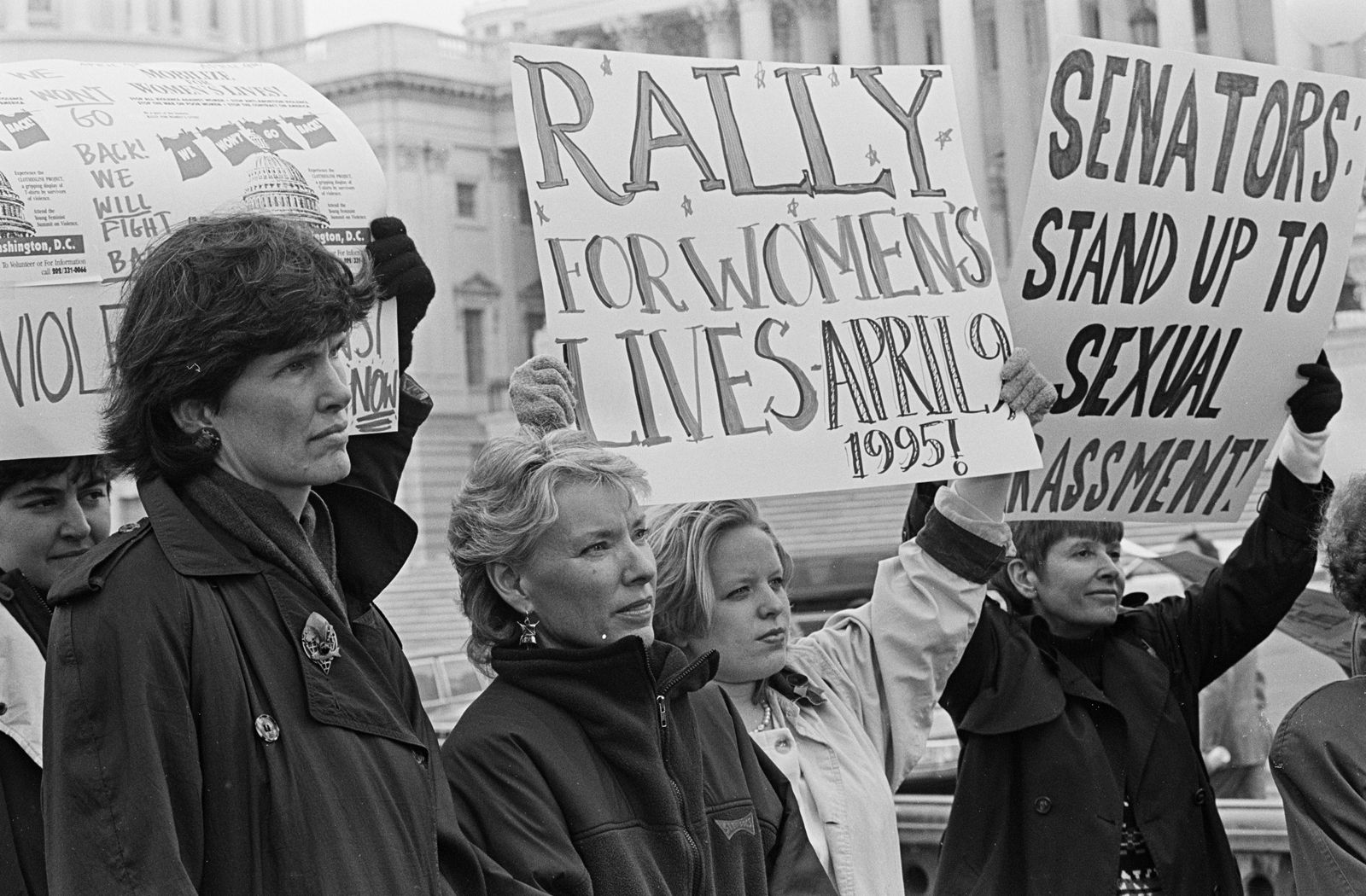
Beyond the hashtags, protests burgeon in the real world. A surge of passionate individuals gather at city squares, demanding change and igniting conversations that must be had. The synergy between online activism and offline mobilization manifests a formidable force that can no longer be ignored. In an era where ‘clout’ often reigns supreme, young feminists twist that notion on its head, turning their quest for justice into a narrative that breaks boundaries. Such defiance is not just audacious; it is necessary.
Breaking the Chains of Traditional Gender Roles
The fight for gender equality is synonymous with dismantling the antiquated societal structures that confine individuals. Why must women stoop to predefined molds crafted long before their births? Why should men be shackled by rigid expectations that stifle their emotional expression? Feminist protest movements today venture into these uncharted territories, demanding the reexamination of gender roles and advocating for a collective liberation that benefits all.
The exploration of non-binary identities exemplifies a revolutionary shift in the understanding of gender. Movements championing these identities challenge the binary constructs that have infiltrated society and perpetuated oppression. Events like the Trans Day of Visibility garner not only attention but also foster a vital dialogue that encourages empathy and awareness across gender lines. Through protest, discussion, and celebration, feminists are blazing a trail towards a world where individuals can embody their true selves without fear of retribution or prejudice.
Activism is an inherently creative endeavor. Through art, music, theater, and performance, young feminists are infusing their messages with creativity that captures the imagination and draws in the disinterested. Street art has emerged as a form of protest, with bold murals depicting fierce queens, poignant phrases, and imagery that speaks volumes without uttering a single word. This culture of expression invites a younger audience to not just witness but to participate in the ongoing dialogue about gender, identity, and society.
The Future of Feminism: A Call to Arms
The skyline of feminism is not only painted with struggles of the past but is also burgeoning with the possibilities of the future. Each protest, each online campaign, and each act of rebellion is interlaced with an urgent reminder: this work is ongoing, and it is far from over. It calls for resilience, tenacity, and most of all, participation. The responsibility of charting the future falls on the shoulders of the younger generations, and the horizon is vast and beckoning.
Activism is a right, not a privilege. The flame of feminist protest movements continues to shine brightly, illuminating paths for those who dare to step into the fray. It is imperative that individuals—especially the youth—recognize their power, their voice, and their agency in shaping the world they wish to inhabit. Whether it’s joining a local grassroots campaign, lobbying for policy changes, or simply engaging in conversations that challenge the status quo, every action matters. You are not just a bystander in this symphony of progress. You are an integral note in a melody that cries for justice.
As we march forward, let us embrace the radical notion that we are all part of the tapestry of feminist activism. The urgency of our time compels us—let’s provoke, let’s disrupt, and let’s not rest until the vision of equality and justice is realized for everyone. The future may be uncertain, but one thing is clear: young feminists are not only here to stay; they are here to lead us into a brighter, more equitable world.