

















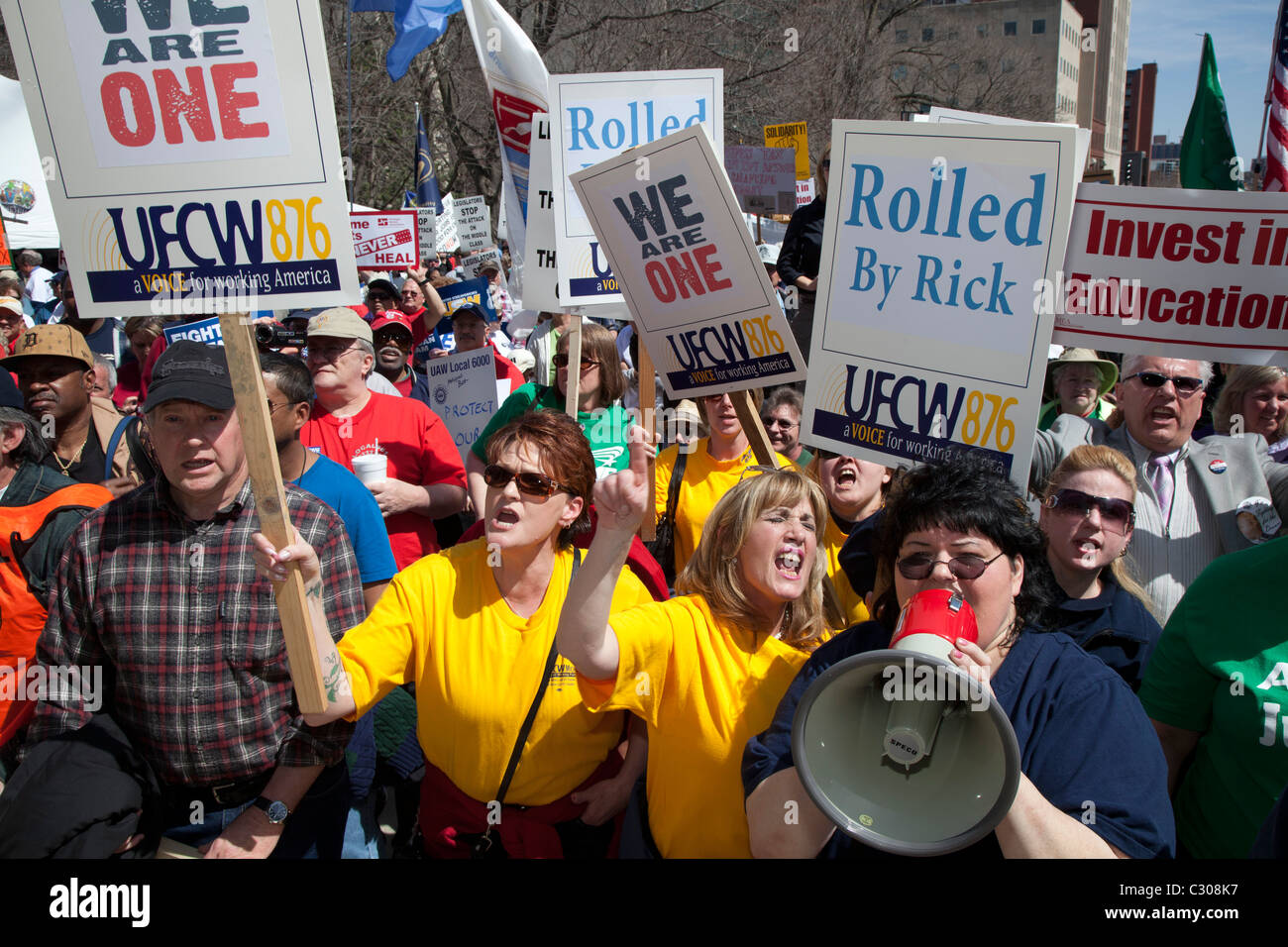
Across the nation, a resounding chorus rose up from the steps of our sacred institutions—the Capitol, a symbol for many yet a battleground for activists. The gravity of this moment, when feminists rally against budget cuts proposed by Trump, transcends mere policy critique. It is a clarion call for justice, equality, and the very essence of what it means to stand united in our struggle for women’s rights.
While some might argue that budget cuts are just numbers on a spreadsheet, feminists understand that they represent more than a faceless fiscal policy—they embody real lives. The threat of slashed funding for essential services bears the weight of systemic misogyny and oppression, feelings all too familiar in a world where economic inequality perpetuates social injustice. So, let’s delve into what these protests signify beyond the sound bites and slogans, and dare to challenge society’s norms.
The first thing to grasp in this complex narrative is the undeniable intersection between economics and feminism. Budget cuts are not merely a political issue—they are a feminist issue.
The economic implications of Trump’s proposed cuts exert a disproportionate impact on women, particularly marginalized women. When funding evaporates for social services, educational programs, and health care—like Planned Parenthood—it is women who suffer the most. Historically relegated to the lower rungs of economic stability, women are often the first to feel the pinch of austerity.
Let’s not mince words: every dollar cut from these services isn’t just a part of a budget—it’s an assault on women’s agency over their own lives. How can we, as a society, remain complacent while the already fragile safety nets beneath women’s feet are torn apart?
This is why activists gathered to chant, shout, and demand change. They raised their voices not just in protest but in an impassioned plea for visibility, accountability, and reform. It’s incumbent upon us to not only support these women but also to understand their plight profoundly. To dismiss their concerns as mere theatrics is to trivialize the emotions underlying their struggle.
Then there’s the rhetoric. “Make America Great Again”—the slogan reverberates throughout the country, yet what does “great” mean? For whom is it great? The history of “greatness” in America is deeply rooted in patriarchy, maintaining white male supremacy while ignoring the plight of women, people of color, and other marginalized groups. As feminists, we must reclaim the narrative and redefine what greatness means, anchoring it in equity and justice rather than exclusion and oppression.
So let’s turn our attention to the practical repercussions of these budget cuts and how they threaten the very fabric of feminist advances. A reduction in welfare funding, educational grants, and healthcare access not only hampers women’s progress but reinforces the notion that their contributions are expendable. How do we break the chains of this toxic narrative? By rallying together, we respond to oppression with resilience, converting pain into power.
The protests represented a kaleidoscope of voices—transwomen, women of color, mothers, daughters, and allies from every walk of life. It was a unified front, a tapestry showcasing the diversity of feminism. However, amidst these beautiful strands of various identities lay a challenge—were all voices truly being listened to, or were we merely spectating the privilege of the loudest? It’s time to examine the spaces we occupy and listen for the stories that often go unheard.
The intersectionality of feminism insists upon an inclusive movement that recognizes the layers of oppression faced by different groups. Black women, indigenous women, and other marginalized communities find themselves disproportionately affected by budget cuts. Their struggles might differ, but their ultimate goals converge on the same axis: liberation. Without confronting these nuances, the feminist movement risks diluting its purpose, ignoring the very essence of solidarity that is desperately needed to disentangle economic and social justice.
Now, let’s floor the accelerator and steer this conversation towards empowerment. There’s more than one road to resistance. Protests are essential, but they are merely one tool in our litany of strategies. Emerging from the Capitol, it’s imperative to transition from protest to perpetual advocacy. Those who rallied didn’t just gather to observe the spectacle; they ignited a movement, vowing to challenge the status quo at every level—from local to national.
Every activist, whether novice or seasoned, wielded a sense of agency—a dynamic force against the malevolent tide of indifference. Women must not only demand a seat at the table but insist upon reshaping that table entirely. This newfound agency reverberates through classrooms, boardrooms, and living rooms as feminists everywhere express their autonomy through collective, strategic, and forceful action.
The conversation is not merely about survival; it is about thriving, overcoming the culture that insists on keeping women in the shadows. Notice how many of us are still pushed towards the periphery rather than welcomed into the center. Every protest challenges that narrative. Every voice seeks to weather the storm of systemic inequality. Every rally grounds itself in the belief that true liberation is possible.
The onus does not merely rest on activists; it extends to allies and every individual who recognizes the urgency of this fight. A friend’s call to action may resonate with you, but what does that mean in terms of your responsibility? Education comes first, but what follows? Will you lend your voice? Offer resources? Amplify those in your community? The future hinges on our collective willingness to act and collaborate.
Time waits for no one, and as we sit still, the grim realities of budget cuts loom greater. As feminists, it is critical that we remain vigilant, aware, and persistent in our commitments. The Capitol brimmed with spirited protestors who raised their hands, not just for the moment, but for the monumental change they envision for the future.
If we are to untangle ourselves from the nets of systemic oppression, it’s essential to ask ourselves: How far are we willing to go? Are we ready to amplify these voices beyond the steps of the Capitol? Are we prepared to take this anywhere it leads us? The answer lies not in idle chatter, but in courageous action. Let’s channel our passion into productivity, ensuring the fight for women’s rights is far from over. Instead, it’s just beginning.