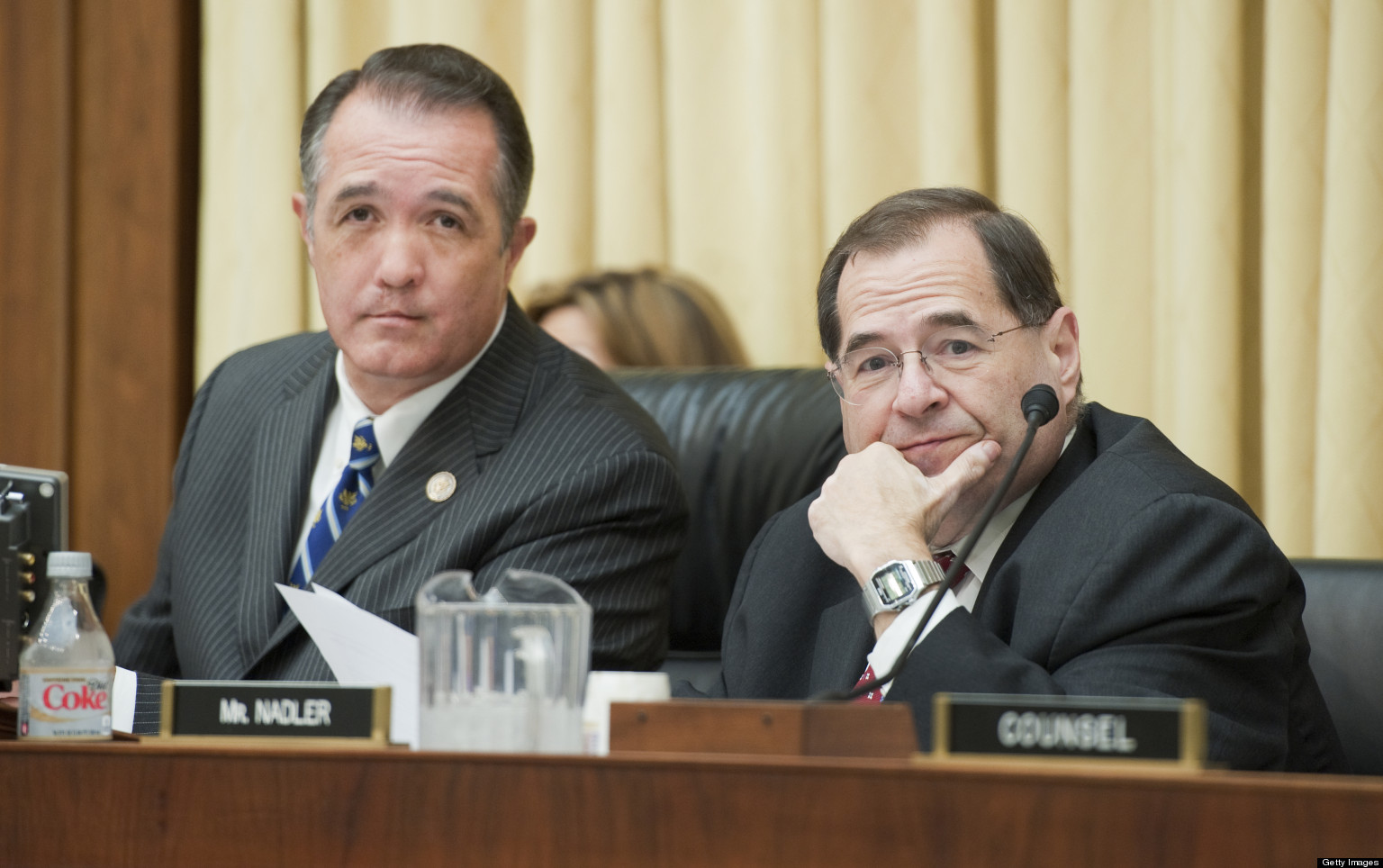
In an era where the fight for gender equality has made significant strides, one might expect women’s voices to resonate loudly in the halls of power, especially on issues that directly affect them. Yet as recent events have unfurled, the irony becomes painfully clear: an all-male congressional panel has convened to debate one of the most critical issues affecting women’s lives—abortion. This raises an alarming question: where are the women? The absence of female perspectives in these conversations is not just a failure of representation; it is a reflection of a patriarchal system that still considers women’s rights as a negotiable topic rather than an immutable truth.
Abortion is not merely a clinical procedure; it is a profound personal choice steeped in complex social, emotional, and moral considerations. When the decision-makers lack firsthand understanding of the female experience, the policies developed are inherently flawed. Policies dictated by those who do not grasp the implications of restricting access to abortion can lead to devastating consequences not only for women but for society at large.
In this context, the presence of an all-male panel exacerbates the issue of gender inequality. The fact that men are crafting laws concerning female reproductive health is not only audacious but also deeply troubling. It symbolizes a continued disenfranchisement and lack of agency for half of the population, reinforcing harmful stereotypes about women’s roles in society. As such, the need for an evolved discourse that actively includes women’s voices cannot be overstated.
The debates surrounding abortion revolve around critical themes of autonomy, freedom, and the right to choose. Abortion access isn’t simply about the act itself; it concerns the comprehensive landscape of women’s health, economic security, and personal freedom. An all-male panel’s involvement in these discussions raises broader questions about whose rights are being prioritized and whose voices are being stifled.
Women have been at the forefront of the fight for reproductive rights. The movement was fueled by the lived experiences of those who have faced the complexities of unintended pregnancies, medical crises, or personal choices that necessitate abortion. Yet, when those narratives are sidelined or completely disregarded, the resulting legislation often lacks sensitivity to the realities women face. It can perpetuate systemic issues and exacerbate existing disparities, creating a legislative environment that is antithetical to women’s rights.
For far too long, the conversation about women’s reproductive rights has been dominated by male legislators, effectively silencing the very individuals impacted by these decisions. This trend is confounding; how can lawmakers develop policies affecting women’s bodies without including women in the conversation? The answer lies in a culture that still harbors deep-rooted gender biases, where the male perspective is often treated as the universal viewpoint while women’s realities are marginalized.
The urgency of including women’s voices in these discussions is underscored by the realities on the ground. In today’s society, women are often forced to navigate a maze of restrictive laws and societal pressures that make access to reproductive healthcare increasingly difficult. The current climate showcases a troubling trend of legislative bodies enacting laws that impede women’s autonomy. The question that looms large is what further complications will arise when those enacting these laws harbor no understanding of women’s lived experiences.
As such, it is imperative to advocate for a reformed approach to debates concerning abortion—one that involves women at every level. It is crucial that women hold positions of power within legislative bodies, tasked not just with the responsibility of speaking on issues of women’s health, but also with the obligation to reshape the narrative surrounding reproductive rights. The presence of female policymakers in these discussions isn’t merely a checkbox for gender representation; it is vital for fostering policies that resonate with the realities women face.
This need becomes more urgent in light of contemporary political climates, where reproductive rights are being threatened in various states across the U.S. The repeal of rights enshrined in previous landmark decisions should be a rallying cry for women to demand a seat at the table. Women should be at the forefront of these debates, sharing their stories and driving the narratives that shape policies affecting their lives.
Moreover, the silence of women in such forums threatens to perpetuate a culture where women’s health is secondary to political agendas. It can lead to an erosion of trust between policymakers and the constituents they serve. Women—especially those who belong to marginalized communities—often bear the brunt of oppressive measures. The intersectionality of race, class, and gender plays a crucial role in the abortion debate, further highlighting that a monolithic male perspective simply cannot encapsulate the full spectrum of women’s experiences.
Women speaking out against these injustices must not be viewed as radical or divisive; they are acting within their right to advocate for agency over their own bodies. Amplifying women’s voices in congressional debates isn’t simply beneficial; it is essential for the development of comprehensive policies that honor and respect women’s autonomy. There should be more female representation in Congress—a chamber where decisions continue to impact the livelihoods of women every day.
In conclusion, the very notion that an all-male panel can presume to dictate policies surrounding a matter as intimate as abortion is a testament to the systemic issues that plague our society. Women’s voices are not just beneficial to the debate; they are essential. The time to amplify those voices is now. Women must stand together, demanding not only their right to access safe and legal abortions but their rightful place in the conversations that govern their lives. To ignore their perspectives is not only a disservice—it is an affront to the principles of democracy and equality. The struggle for reproductive rights is a battle that cannot—and should not—be waged without heavy female representation. It’s high time we dismantle the patriarchal constructs that have reigned for too long. The voices of women must not only be heard; they must resonate powerfully within the chambers of power where decisions regarding their bodies and their lives are made.