In a troubling turn of events, Arizona has enacted new restrictions on medication abortions, further tightening the already frayed fabric of reproductive rights. As a feminist and a staunch advocate for bodily autonomy, it’s crucial to dissect the implications of these changes and understand what they mean for women in Arizona and across the nation. With rhetoric often disguising oppressive governance, the repercussions of these regulations may echo far beyond state borders.
The recent ruling heralds a new era where state authority is unjustly woven into the tapestry of women’s health. Dismantling access to medications like mifepristone and misoprostol complicates an already convoluted landscape of reproductive healthcare. As a form of medical abortion, these medications have provided countless women the autonomy to make their own choices when confronting unwanted or dangerous pregnancies. The wave of restrictions speaks volumes about the ongoing battle for control over women’s bodies, emphasizing that the struggle for reproductive justice is far from over.
We must confront the underlying ideological framework that facilitates such restrictions. The insidious belief that the state has sovereignty over personal healthcare decisions encroaches on the principles of feminism. The feminist movement historically fights against patriarchal structures aiming to dictate women’s lives, a fight that is reignited with every legislative update that seeks to limit autonomy. As we look at these recent changes in Arizona, examining the motivations and consequences becomes imperative.
The new restrictions in Arizona are particularly disconcerting when juxtaposed against the backdrop of nationwide trends in reproductive rights and healthcare. As states carve out their individual interpretations of abortion law, the patchwork of legislation fosters an uneven landscape where some women have access to essential medical services while others are left in the lurch. In this tumultuous climate, it becomes evident that the fight for women’s rights is not solely located within the realm of healthcare; it spills into broader conversations about personal agency, socio-economic disparities, and systemic injustice.
Let’s delve deeper into the implications of these measures.
Impact on Women’s Health and Well-Being
Restrictive laws often purport to protect women, yet in reality, they jeopardize health and safety. Medication abortions have been lauded for their efficacy and safety when administered responsibly. By limiting access to these medications, Arizona’s regulators are pushing women towards more dangerous alternatives, which could involve unsafe procedures or facing the stigma of seeking help in a system that has criminalized their actions. This governing approach not only undermines medical consensus but also perpetuates an environment of fear that silences women’s voices.
Women who confront unplanned pregnancies are not a monolithic group. They come from diverse backgrounds, each experience shaped by socio-economic status, education, and community support. When states disallow medication abortions, they disproportionately affect marginalized populations who may lack access to alternative healthcare services. The burden of these restrictions will inevitably fall hardest on low-income women and women of color, further perpetuating cycles of inequality.
The fear that these restrictions foster is psychological as much as it is physical. Women finding themselves faced with unwanted pregnancies are often already living in uncertain economic conditions; simply relegating their rights by state decree invokes a profound sense of helplessness. This balanced onslaught against women’s agency is a fundamental miscalculation of authority’s role in personal health choices, reinforcing rather than dismantling patriarchal norms.
Public Opinion and the Backlash Against Authoritarianism
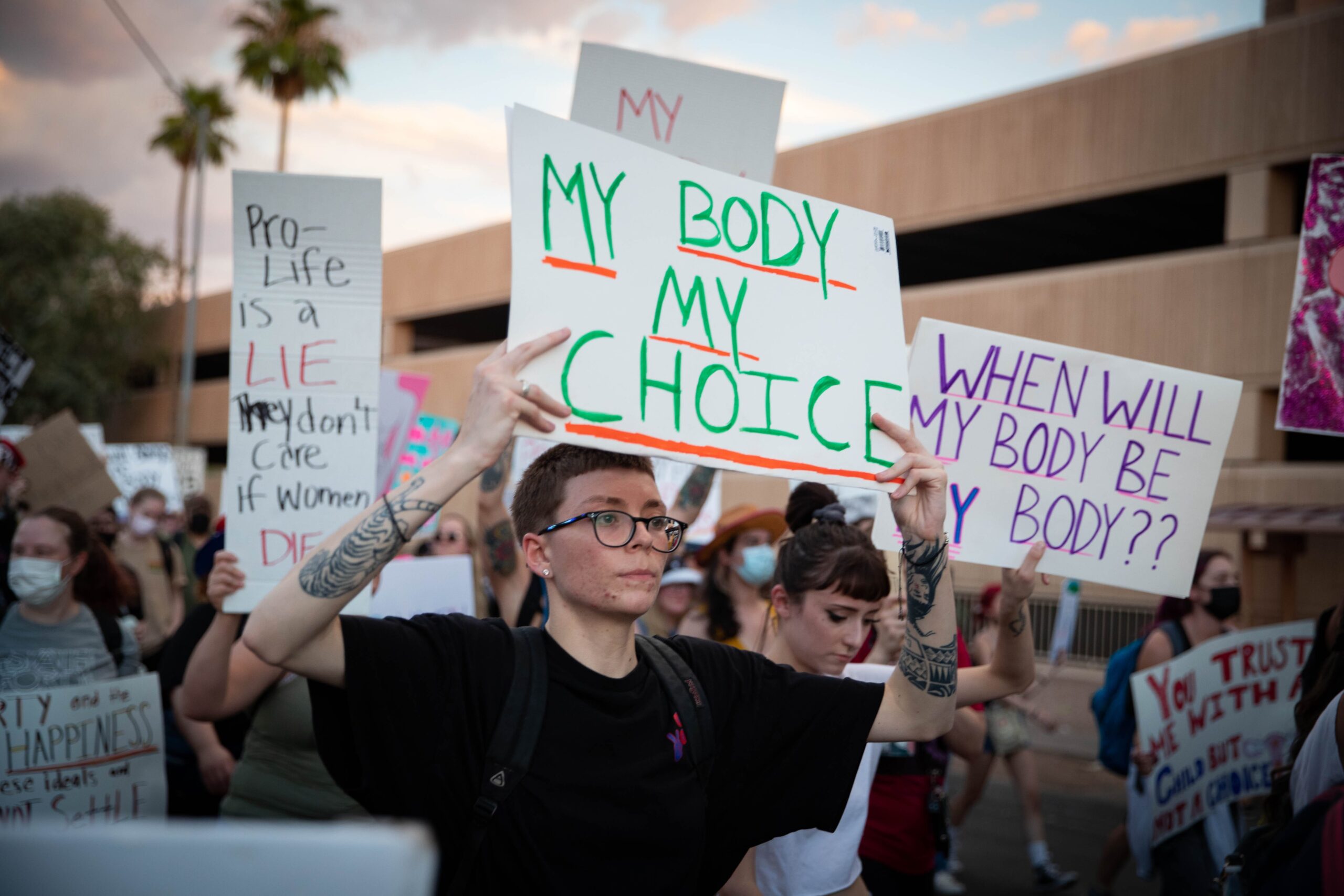
As Arizona’s government tightens its grip, public opinion is crucial to understanding the broader societal dynamics at play. Women’s rights supporters unequivocally oppose these restrictions, and the sentiment is echoed in larger cultural circles. Many view these new restrictions not only as a threat to personal freedom but as blatant governmental overreach. When policies infringe upon the private lives of citizens, it ignites outrage typically reserved for broader civil liberties infringements. Following this trajectory, we can anticipate a backlash that extends beyond reactionary protests. Grassroots movements will seek to reclaim agency over reproductive rights, galvanizing community support.
However, the modal frequency of political engagement has revealed a disturbing trend; many people remain unaware or apathetic about the implications of such legislation. It is perilous to underestimate how quickly rights can erode through collective complacency. Activist networks must work tirelessly to educate the public and mobilize support. There is an urgent need for amplifying narratives of those affected by these restrictions. Stories of struggle, resilience, and resistance must find their platforms. Such dialogues help demystify the issue, allowing for empathy to supersede ignorance.
To pave the way for an informed citizenry, feminist activists must engage extensively with intersecting issues such as economic inequality, racial justice, and healthcare accessibility. These narratives cannot exist in a vacuum—they must be interwoven into the fabric of a broader liberation movement capable of challenging the status quo.
Strategies for Resistance and Advocacy
So, where do we go from here? As Arizona dives headfirst into the quagmire of these new healthcare limitations, a multi-faceted strategy for resistance is necessary. The feminist movement’s historical resilience must inform our current strategies to combat these restrictions. Activism engineered around education, community building, and policy advocacy will be essential in this ongoing struggle.
Education is the bedrock of any successful campaign. This means not only informing individuals of their rights but also arming them with knowledge about the implications of restrictive laws. Workshops, online campaigns, and partnerships with healthcare providers can build a knowledgeable base ready to advocate for change. The more we demystify complexities surrounding reproductive health, the better equipped advocates will be to address misinformation that permeates public discourse.
Community-building efforts can provide a powerful counter-narrative to the isolation many women experience throughout their reproductive journeys. Safe spaces where women can vocalize their experiences foster an environment of solidarity. Not only do these communities offer emotional support, but they also create networks to help women navigate the labyrinth of regulations and resources.
Additionally, feminist activists must engage with policymakers to push for more compassionate health legislation. This occurs through lobbying efforts, participating in public comment periods, and holding forums where constituents can speak directly to lawmakers. By leveraging relationships with sympathetic policymakers, advocates can ensure that the voices of impacted communities are included in legislative processes.
Inconclusively, Arizona’s restrictions on medication abortions mark a significant point in the ongoing fight for reproductive justice. The historical struggle against patriarchal control necessitates renewed vigor, necessitating unity among activists and a commitment toward dismantling oppressive frameworks. As we forge ahead, let us not forget the narratives woven into each attack on personal autonomy. The fight is not solely one of rights, but one of humanity, dignity, and the undeniable power of choice.