

















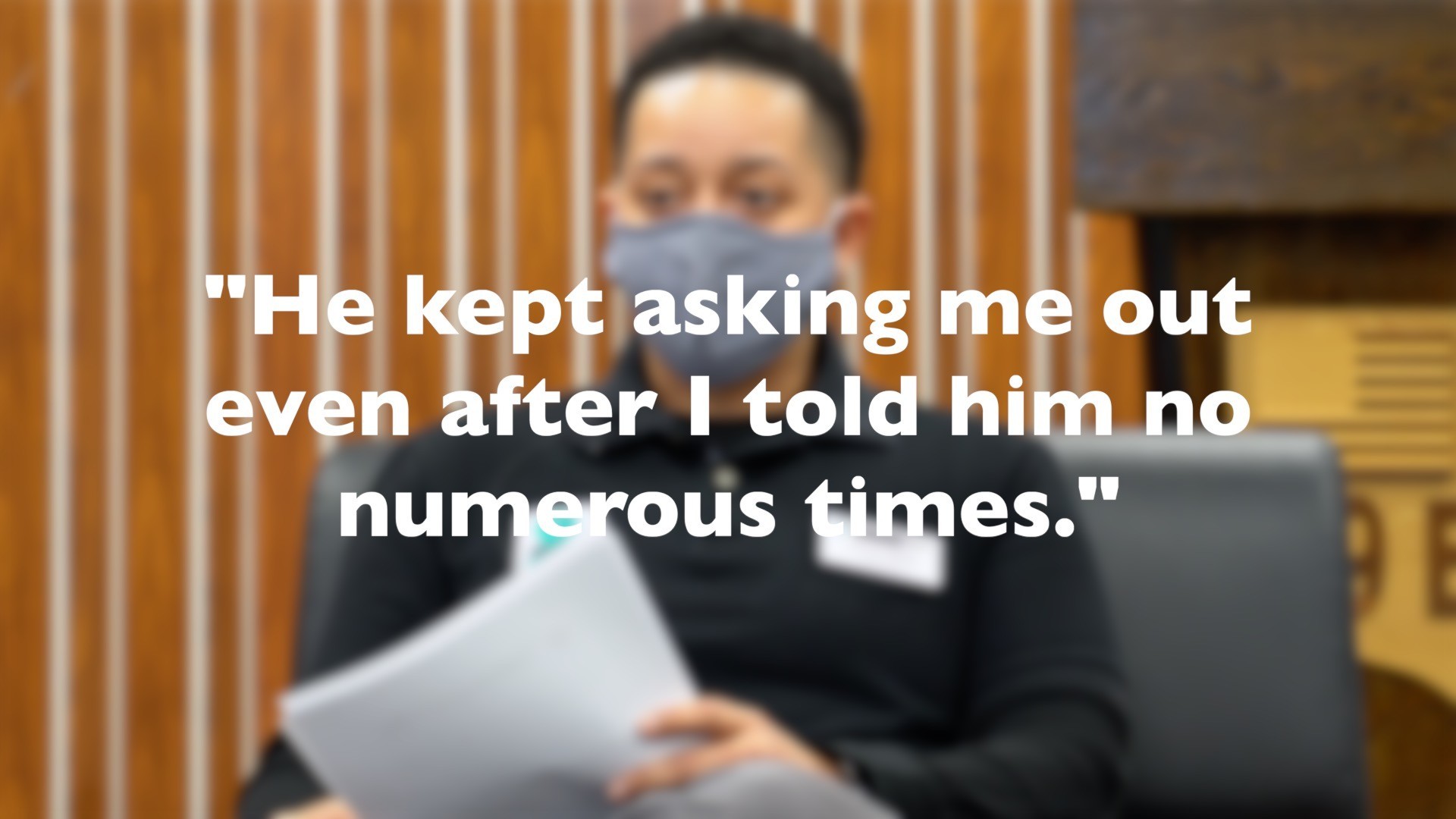
The recent testimony of an Army officer against Sgt. Major McKinney in a harassment case serves as a poignant reminder of the persistent issues of sexual harassment within military institutions. This case doesn’t just spotlight an individual act of misconduct; it unveils the broader, insidious culture that tolerates and often minimizes harassment against women in the armed forces. As we delve deeper into this harrowing narrative, it is imperative to not only analyze the events surrounding this particular case but also to grapple with the systemic challenges that continue to plague our military structures.
It’s time for a reckoning. The anecdotes abound: women silenced by the machinery of the military, their voices drowned in a sea of indifference and institutional complicity. The testimony against Sgt. Major McKinney stands not merely as an accusation but as a rallying cry for those advocating for decency, respect, and equality in a domain that has historically resisted change.
Understanding this case requires us to dissect the layered dynamics of power and gender that permeate military life. When an Army officer bravely steps forward to testify, it disrupts the narrative of silence that has long been woven into the fabric of military culture. It invites us to ponder: What does it mean for a woman to challenge a high-ranking male officer? What repercussions does she face? What responsibility do we, as a society, have to support her and amplify her voice?
As we navigate these questions, let us not overlook the weight of solidarity and empathy that must accompany our understanding of this case.
Unmasking the Culture of Silence
The military is often lauded for its discipline, hierarchy, and service; however, these very attributes can foster an environment ripe for abuse. Command structures create power imbalances that can stifle reporting, as individuals fear retaliation, ostracism, or outright disbelief. Sgt. Major McKinney’s case epitomizes this struggle. The officer’s courageous decision to testify is not just a personal act but a collective challenge against a culture that has historically marginalized women’s experiences.
Women in the military, despite their contributions and sacrifices, often grapple with a form of institutional misogyny that gnaws at their sense of safety and belonging. The reluctance of victims to come forward stems from a painful reality: the roads to justice are treacherous, paved with victim-blaming attitudes and a distrust in the systems designed to protect them. In recent years, however, there has been a burgeoning push against this culture of silence, propelled by movements like #MeToo, which emphasize that no one should endure harassment unchallenged.
In the context of Sgt. Major McKinney’s case, the audacity of the officer’s testimony becomes a beacon of hope. It shatters the norm; it dismantles the expectation that women should endure in silence. Each accusation sends ripples of possibility throughout the military community, demonstrating that standing up for one’s rights can lead to systemic change.
Power Dynamics: The Unseen Struggle
The power dynamics at play in military harassment cases extend beyond the immediate interactions of the accused and the accuser. The chain of command must be scrutinized; how often do stories of harassment fade into obscurity due to the influence of rank? Sgt. Major McKinney’s position undoubtedly wielded an immense shadow over the lives of subordinates, illustrating how hierarchical systems can normalize and perpetuate abusive behavior.
What transpires when an officer reports claims against a high-ranking official? The balance of power shifts dramatically. No longer is the concern merely about individual consequences, but also about the broader implications for the military institution. This complexity begs the question: Is the military prepared to confront its own complicity in cases of harassment?
Dare we suggest that the military establishment has failed its soldiers? The systemic failures are glaring. There exists a glaring predilection to protect the institution at the cost of individual accountability. Blind loyalty to rank often means that those in power are shielded, their misconduct minimized, while the voices of the underrepresented get muzzled. Until these dynamics are acknowledged and actively dismantled, accusations will continue to serve as mere footnotes rather than catalysts for genuine reform.
The Role of Feminism in Military Reform
Feminist perspectives are invaluable in contextualizing the struggle against harassment in military settings. Feminism is not merely an academic pursuit but a practical framework for understanding and challenging power imbalances. In the case of Sgt. Major McKinney, the testimony by the Army officer reflects the foundational tenets of feminism: challenging patriarchal structures that seek to oppress and silence women.
Women’s experiences—and the systemic failures that affect those experiences—cannot remain in the shadows. Feminist activism in the military aims to expose the perils of a culture steeped in misogyny while advocating for policies that ensure accountability and support for victims. It demands that women no longer have to navigate their careers within a labyrinth of objectionable conduct.
The urgency for reform is palpable. A feminist approach promotes the bolstering of support systems within military ranks, including mentorship programs, harassment hotlines, and transparent reporting mechanisms that empower victims. Moreover, it reinforces the importance of education and sensitivity training for all personnel, thereby fostering an environment rich in respect and dignity.
Rallying for Change: A Collective Responsibility
This case is an invitation for collective action. The time has come for allies—both male and female—to stand in solidarity with those who dare to speak up. It necessitates an unwavering commitment to uplifting women’s voices and scrutinizing the institutions that fail to protect them. Justice for victims should not be an afterthought; it must be woven into the very fabric of military culture.
This moment demands accountability from leadership. Those at the helm of military institutions must not only listen but actively work to dismantle the barriers that uphold harassment and silence. Change can only occur when every soldier, every officer, and every civilian acknowledges their role in fostering a culture of respect and equality.
Ultimately, the officer’s courageous testimony against Sgt. Major McKinney stands as a testament to resilience amidst adversity. It conveys a message that resonates well beyond military walls: enduring silence is no longer acceptable, and it is time to confront the uncomfortable realities of harassment head-on. This case underscores a pivotal moment in military history—a moment poised to be the catalyst for profound cultural change.
As we move forward, let us commit to championing a military where every voice is heard, every experience validated, and every act of harassment addressed with the severity it warrants. In doing so, we honor not only the individuals who muster the courage to testify but also the countless silent warriors waiting in the wings, hoping for a change that can finally shatter the chains of oppression.