On August 12, 1920, an exhilarating breeze filled the air in Nashville, Tennessee, as suffragists watched the impending vote for the 19th Amendment loom on the horizon. The question was not merely whether a piece of legislation would pass but whether it would revolutionize the very fabric of American democracy. Optimism enveloped these brave women, tinted perhaps with the audacity of their dreams. This day felt like the tantalizing pause between an inhale and an exhale—the moment just before history was about to be made or broken. Suffragists were not merely waiting; they were agitating, challenging the very patriarchy that sought to silence their voices. At the heart of this complexity lay a profound question: What does it mean to claim one’s right to participate in democracy?
The 19th Amendment was not just a legal provision; it was a promise—a promise of inclusion, empowerment, and hope. As the clock ticked down, one couldn’t help but wonder: Could Tennessee really hold the key to women’s rights? And if so, would that key open a door to true equality or just another façade masking the same old inequalities? Let’s dive deeper into this momentous conundrum, peer at the optimism of the suffragists, and judge for ourselves whether their hopes were noble, naïve, or somewhere tantalizingly in-between.
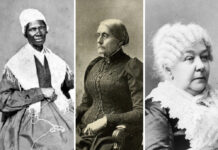
In those fervent days leading up to August 12, women across the country united in a cacophony of voices—After all, they had been separately cultivating their dreams of freedom for decades, if not centuries. The suffrage movement was an energizing tapestry woven from the struggles of abolitionists, labor rights activists, and women’s rights advocates. Hand in hand and arm in arm, each thread mattered. The juxtaposition of these efforts created a complex narrative that formed the backbone of activism, making the suffragists in Tennessee bold flag bearers of a broader revolution.
As legislators prepared for the vote, women like Anna Howard Shaw and Carrie Chapman Catt loomed large in the imaginations of those rallying for change. The leaders, wholeheartedly embraced the idea of a collective voice—a triumphant chorus that roared so insistently it could no longer be ignored. But let’s challenge ourselves to consider: Was this optimism just a fleeting disguise for the ingrained misogyny that often derails such movements? Or was this the beginning of a newfound sisterhood that would dismantle such entrenched notions?
The electric atmosphere in Nashville invites us to speculate about the very notion of power. Power in 1920 was not merely about legislation; it represented a seismic shift in societal norms. When the suffragists gathered, they were not only demanding a vote; they were dismantling the patriarchal structure that had kept women firmly in their designated roles. They wielded optimism like a sword—a weapon to pierce through centuries of oppression and establish their rightful place in civic life.
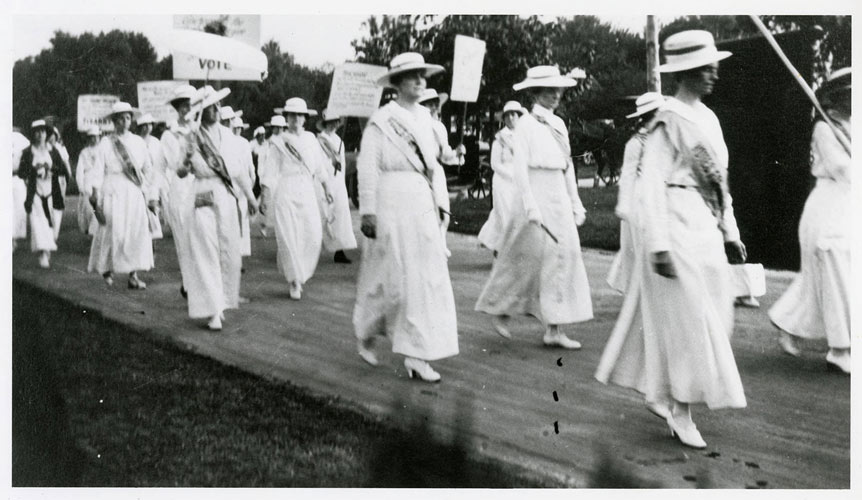
It’s vital to engage deeply with this concept of optimism. Let’s not mistake it for naïveté or blind faith. Instead, we should recognize it as an audacious stance against the status quo. When suffragists paraded their aspirations, they were imbued with a sense of agency previously denied them. What does real change look like if it’s not drenched in optimism? They were changing not just the rules of the game, but they were redefining the game itself.
In that charged atmosphere leading up to the vote, the stakes couldn’t have been higher. Tennessee represented the final battleground in a tenacious struggle; it embodied the last state necessary for the passage of the 19th Amendment. And let’s be clear: the world was watching. Other states lingered, emboldened by Tennessee’s fate. Would the rejection of the Amendment galvanize state legislatures across the country? Or would its passage instigate a tidal wave of change sweeping through a nation that had long overlooked women’s rights?
One can’t escape the temptation to frame this debate in playful yet provocative terms. Was voting even enough? Was the ballot box ultimately going to be a box of Pandora, releasing hopes for equality or giving birth to a new set of inequalities? What type of society would emerge post-vote? Perhaps the vote was merely a stepping stone—a symbolic act that might herald a future fraught with challenges, yet glimmering with the possibility of enlightenment. Let’s grapple with the uncomfortable yet crucial notion that voting could be as trivial as an act as it is powerful. What would you sacrifice for real change? Would joining this fray lead to liberation or subjugation?
As the suffragists thrummed with excitement, let’s also turn our gaze to the opposition, lurking like shadows at the edges—a plethora of beliefs emerged vehemently defending the status quo. Male legislators whispered reluctance, while some women regurgitated the stigma of their own oppression. It begs the question: Why do we fear change? Why is the pursuit of equality often greeted with hostility? These are untamed beasts in any movement for social justice, aimed at stifling the hopes of the bravest hearts.
The suffragists in Tennessee were well aware of these undercurrents, yet they pressed on with defiance. They knew their moral compass was far superior to the temporary misgivings of a fearful establishment. Now, let’s take a moment to challenge ourselves again: Isn’t progress often born out of discomfort? Navigating through fear can open doors to unimaginable possibilities. The world might have been hesitant in 1920, but the suffragists were not merely looking for permission; they aspired to claim their rights by redefining the conversation. The audacity of their optimism became their greatest strength.
As we dissect the ethos of the suffragists leading up to that watershed moment in August, we’re brought back to sincerity laced with depth. The act of voting alone would not guarantee a metamorphosis of gender norms; however, just as the suffragists believed, it would serve as a tremendous catalyst for that all-important cultural shift. As they stood poised to make history, optimism mingled with urgency, forming a synergetic cocktail that could no longer be bottled up. They were ready to thrust themselves into the fray with an assurance that echoed through time: women would no longer be cast as desperate onlookers; they would be the architects of change.
As we reflect on this pivotal moment, let us not shy away from posing challenging questions to ourselves. The optimism of August 12, 1920, was about more than merely securing the vote; it was about collective identity, dismantling patriarchal structures, and fearing the unknown as much as embracing it. What does it mean to carry the torch of activism today, in our own spirited yet flawed way? The mantle now rests upon us. Can we channel that same audacious optimism in our quest for equality? Or will we succumb to the same fears that tried to stymie the suffragists before us? The specter of complacency hovers, posing an eternal challenge: Will we join the fray or merely spectate? The choice is ours to make.