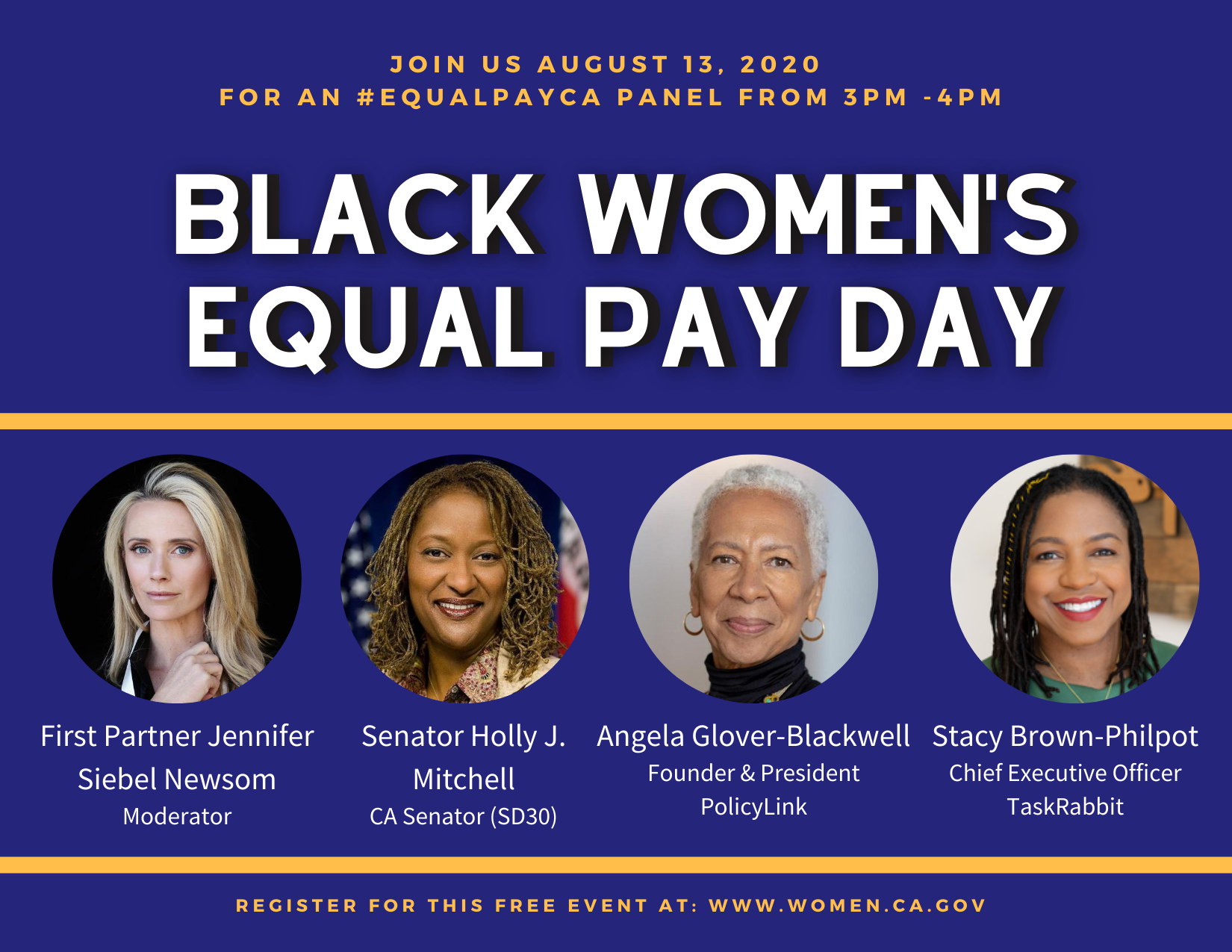
In an era where the movement for gender equality has gained unprecedented momentum, the plight of Black women remains disproportionately marginalized. On Equal Pay Day, we spotlight a staggering truth: Black women face a wage gap that is not merely an economic issue, but a poignant embodiment of systemic racism and sexism. This occasion must not only catalyze outrage but also provoke a robust discourse on the intersections of race and gender in the quest for equitable compensation.
The reality is stark—a white woman earns approximately 79 cents for every dollar paid to her male counterpart, yet Black women earn merely 63 cents for the same work. Such statistics do not just reveal a numerical discrepancy; they unveil a pervasive and insidious labyrinth of economic violence that extends far beyond dollars and cents. By dissecting the historical, social, and economic layers of this wage gap, we can better advocate for justice, not just for Black women but for all individuals who find themselves ensnared within the snare of economic inequality.
When we discuss wage disparity, we must excavate its roots and acknowledge that Black women are navigating a world fraught with both racial discrimination and gender bias. The duality of their experience constitutes a unique form of oppression that permeates every aspect of their lives, from workplace dynamics to pay negotiations. Thus, addressing the pay gap requires a holistic approach that transcends conventional feminism, engaging with the intersections of race, class, and gender.
The cry for justice on Equal Pay Day resonates as a powerful demand for acknowledgment, restitution, and structural reform. It is not sufficient to appeal to mere corporate goodwill or advocate for policies that only graze the surface; these tactics often result in superficial attempts at change. Instead, we must champion an approach that deconstructs the very frameworks that perpetuate inequality and implement transformative solutions.
One critical area of focus must be the ethos surrounding value and labor. The prevailing societal narrative often devalues the work performed by Black women, relegating them to the lower echelons of professional credibility. This perception is rooted in a history of subjugation, where the contributions of Black women have frequently been overlooked or undervalued. The implications of this devaluation extend beyond earnings; they infiltrate workplace recognition, career advancement opportunities, and professional respect.
Moreover, the economic disparities that Black women face magnify a broader societal discomfort—the unwillingness to confront and rectify the historical injustices inflicted upon African Americans. This denial manifests in various forms, eroding the very foundation of feminism that claims to advocate for all women. We must engage in a radical re-examination of the feminist movement, demanding inclusivity that does not merely pay lip service but actively seeks to dismantle oppressive systems that disadvantage Black women and other marginalized groups.
Education and awareness are invaluable tools in this struggle. We must advocate for financial literacy and negotiation training tailored specifically for Black women. Programs focusing on empowerment can equip them with the skills to navigate wage negotiations with confidence. Equally important is the responsibility of employers to dismantle discriminatory pay practices and ensure transparency in salary structures. Organizations should be forthright about their compensation methodologies, allowing for scrutiny and accountability.
In addition, the role of allyship cannot be overstated. Non-Black individuals, especially white feminists, must recognize their privilege and leverage it towards amplifying the voices of Black women. This involves active listening, learning, and aligning efforts with those directly affected by systemic inequalities. It is imperative that allyship does not devolve into performative gestures but instead manifests in tangible support for initiatives led by Black women, including advocacy for equitable policies and practices in workplaces.
Additionally, legislative changes must be pursued with vigor. The Paycheck Fairness Act, which proposes to strengthen the Equal Pay Act, aims to hold employers more accountable for wage discrimination. Advocating for such measures can institute a cultural shift within the workplace, compelling a recalibration of how wages are determined and justified. Increased regulation and oversight will also deter organizations from perpetuating wage gaps and incentivize practices conducive to equity.
Beyond policy reform, grassroots activism holds immense potential in catalyzing societal change. Mobilizing communities and creating coalitions can amplify the demand for justice on Equal Pay Day and beyond. Engaging in community dialogues, hosting workshops, and organizing protests can create a ripple effect of awareness, ensuring that the plight of Black women receives the attention it warrants.
Intersectionality must be at the forefront of our discussions on equal pay, as it encapsulates the myriad ways multiple identities converge, impacting the individual experience of discrimination. The experiences of Black women cannot be extrapolated from a singular lens; instead, the intersection of race, gender, socioeconomic status, and even sexual orientation must be considered in our analyses and actions. This nuanced perspective ensures a more comprehensive understanding of their struggles, allowing for more tailored and effective advocacy.
The conversation surrounding Black women and wage equality must shift from a place of statistics and metrics to an acknowledgment of their humanity. It is critical to ensure that the narrative surrounding their labor is not merely reduced to numbers but is enriched with the stories, experiences, and aspirations of the women themselves. Their contributions are invaluable, and they deserve equitable compensation that reflects the labor they contribute and the value they bring to their workplaces and society.
Ultimately, as we gather to observe Equal Pay Day, our fervent dedication to closing the wage gap for Black women must be underscored by actionable goodwill and a steadfast commitment to confronting systemic injustices. The economy is not merely an abstract concept; it is a reflection of our values, priorities, and moral tenets. In advocating for wage equity for Black women, we reclaim not only their rights but also enrich the broader fabric of our society.
This movement holds the potential to redefine perceptions of labor, civilization, and worth, culminating in a future where all individuals, irrespective of race or gender, are accorded the justice they inherently deserve. The journey towards achieving equal pay is arduous, yet it is a crucial pathway towards dismantling the pervasive inequalities that pervade our society. Ultimately, justice for one is justice for all, and the demand for economic equity is a catalyst for transformation that reverberates beyond the confines of the wage gap.