

















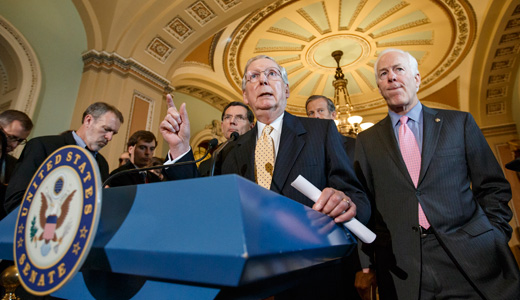
The recent filibuster by Senate Republicans against the Paycheck Fairness Act is a grave indicator of the entrenched gender inequities that persist in our society. As feminist activists, we must confront this regressive maneuver head-on, dissecting its implications and rallying against the antiquated ideologies that uphold the wage gap. With every attempted suppression of legislative progress towards equality, we witness a blatant dismissal of women’s rights and economic empowerment. This event is not just political; it’s personal, reverberating through the lives of women across the nation.
The Paycheck Fairness Act aims to obliterate the remnants of institutionalized gender-based wage discrimination. The ascension of this Act into the legislative spotlight should have been a watershed moment for women’s rights—an opportunity to solidify the principle of equal pay for equal work. Instead, we find ourselves faced with yet another disdainful dismissal by those who deem women’s economic justice an afterthought.
It’s imperative to grasp the magnitude of the wage gap. Statistics have persistently shown that women earn approximately 82 cents for every dollar earned by men, a discrepancy that becomes even more pronounced for women of color. The Paycheck Fairness Act was designed to address these disparities by providing women with greater tools to challenge wage discrimination in their workplaces. Yet, equipped with archaic beliefs about women’s roles—both in the workplace and society—Republicans have chosen the route of filibuster, revealing their true colors. Their actions underscore a larger narrative of silence surrounding issues of gender equity, one that must be loudly challenged.
What does this say about the current political climate? The reluctance to support the Paycheck Fairness Act signals a broader rejection of the legitimacy of women’s economic struggles. This chilling filibuster is emblematic of a systemic failure to recognize the value of women’s contributions in every sector of the economy. The fundamental question arises: why are lawmakers resistant to enacting measures that would benefit half of the population? It’s an affront not just to the women directly affected but to the very fabric of our democracy, which espouses equality as a cornerstone.
Let us explore why the opposition to the Paycheck Fairness Act should incite outrage and mobilization among feminists and allies alike. Feminism, at its core, challenges the status quo, scrutinizing the power dynamics entrenched in society. The act of filibustering the legislation exemplifies a patriarchal structure desperately clinging to its hegemony. Feminist activists must illuminate these dynamics, drawing attention to how economic disparities are not merely individual grievances but societal shortcomings that require collective action to dismantle.
Understanding the historical context of wage inequality is crucial in this discourse. The gender pay gap is not a new phenomenon; it has roots tracing back to a bygone era of labor policies that considered women less deserving of equitable compensation. Yet, time and again, legislative attempts to redress these inequities are thwarted by those who wish to maintain the status quo. In their minds, the filibuster is a shield—an endeavor cloaked in the guise of fiscal conservatism while refusing to acknowledge its implications for gender justice. The need to recognize and challenge these power dynamics is indispensable; we cannot afford to remain passive.
In contemplating the ramifications of this legislative setback, we must also focus on the future. The Paycheck Fairness Act, while temporarily thwarted, has ignited a fervor among advocates for gender equity. The fight for equal pay has transcended beyond policy—it has entered the realm of national consciousness. Women across various demographics are becoming increasingly aware of their economic standing, their rights, and most importantly, their power. This incident will no doubt serve as a unifying rallying cry for activists determined to dismantle the systems that enable wage discrimination.
Engaging the youth—and particularly young women—in this essential cause is vital. Education around financial literacy and wage negotiation tactics should be woven into curricula, equipping the next generations with the tools they need to combat gender-based wage disparity. The Paycheck Fairness Act should not merely be seen as another piece of legislation; it should serve as a catalyst for awakening consciousness about economic justice and mobilizing support across various communities. Feminism must evolve to include the intersectionality that recognizes the multifaceted struggles of women, particularly those who face overlapping forms of oppression.
Moreover, we have a moral obligation to confront the politicians who perpetuate this cycle of inequity. The filibuster illuminates the indifference of certain legislators towards the daily realities faced by their constituents. It’s an opportunity to galvanize public sentiment against those who prioritize partisan politics over the livelihoods and well-being of women. Armed with the rhetoric of equality and justice, it is imperative for feminists and allies to engage in grassroots organizing and advocacy, holding representatives accountable and demanding progressive change.
While the setback provoked by the GOP’s filibuster is disheartening, it also presents a pivotal moment for introspection and strategic action among feminists. Emphasizing the importance of solidarity and collective advocacy is essential—we are not fighting just for ourselves, but for every woman who has ever faced the brunt of wage discrimination. It requires building coalitions that transcend political lines, uniting various social justice movements under a shared banner of equity.
This supposed political tactic reveals thorny truths about how women are perceived within the socio-political fabric. Having silenced the voices of women demanding fairness and economic justice, we must counter with resounding clarity: we will not be dismissed; we will not allow our struggles to be politicized and minimized. The fight for the Paycheck Fairness Act embodies a broader struggle for dignity, respect, and equality in the workplace, and we shall carry this torch until it is realized.
As feminist activists, we must engage fervently with the narratives presented by this filibuster. We must rewrite the stories that echo through our politics, replacing them with tales of resistance, empowerment, and relentless advocacy. The stakes are high, and through our unwavering commitment to equality, we can illuminate the path forward, ensuring that the fight for paycheck equality remains relentless and resolute. The filibuster may have temporarily stalled progress, but it will undoubtedly invigorate the pursuit of justice, driving activists to mobilize and assert their demands with renewed vigor.