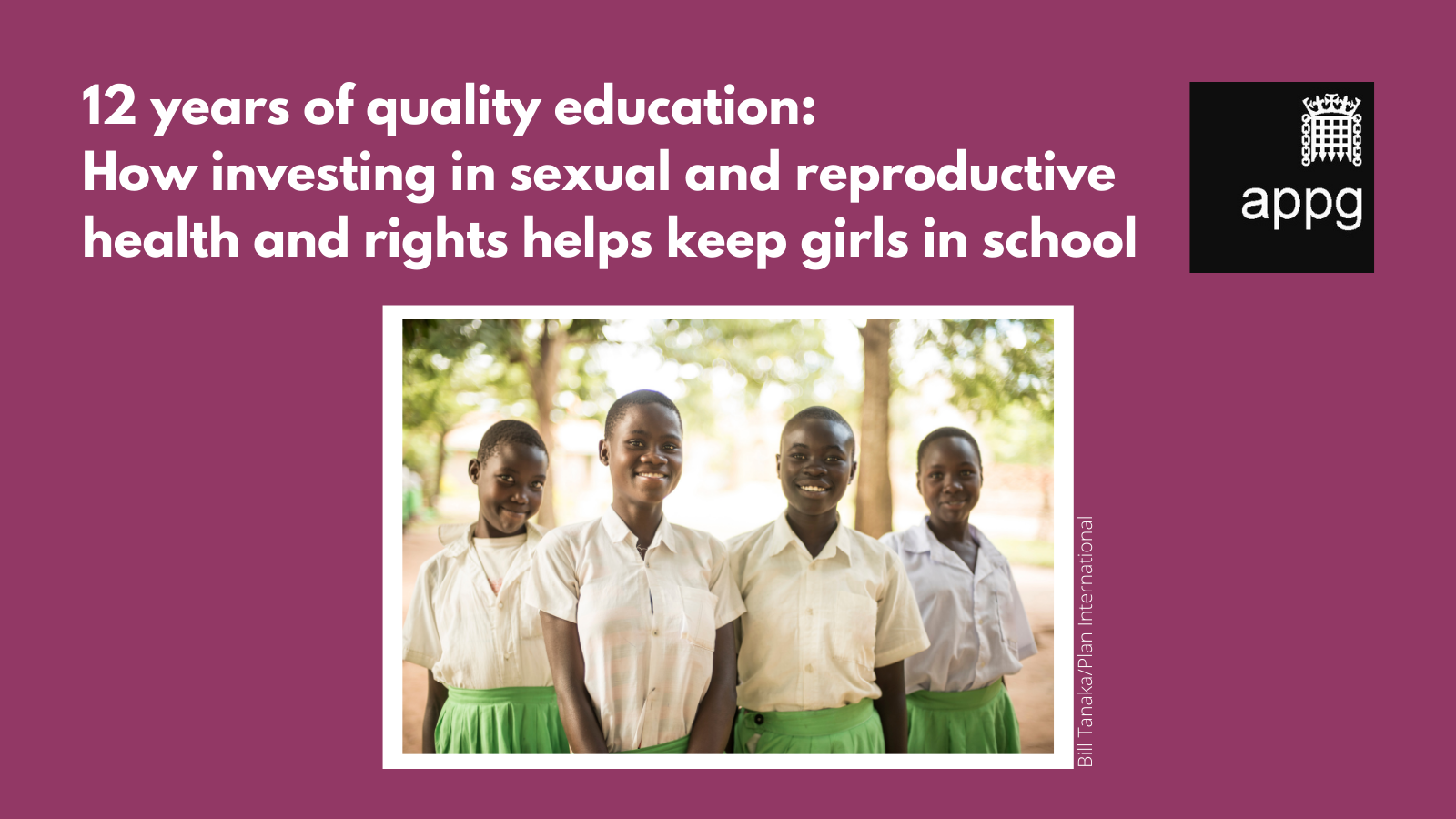
In a startling piece of news from the British Parliament, a recent report has ignited a firestorm of debate regarding the intertwining paths of sexual health education and female empowerment. The document calls for a recalibrated approach to funding in sexual and reproductive health (SRH) initiatives, positioning quality education as both a right and a necessity for girls, particularly in societies burdened by inequality. Such discourse invites urgent reflection on its implications as we venture into the vanguard of feminism today.
The stakes are high; in a world where girls still face insurmountable barriers to education, the intersection of sexual health and learning becomes a crucible for societal transformation. To dismiss this report as merely a political maneuver is to underestimate the gravity of its arguments. Indeed, it provokes an essential question: Can investing in sexual health be the key to unlocking educational potential for girls?
At the heart of the report lies an assertion that unfurls its analysis across various dimensions. It posits that comprehensive sexual education, coupled with SRH services, is not just an additive but a transformative element in the tapestry of female education. It demands attention but also provokes contention among various sectors. How do we, as a society, prioritize funding where it could make the most substantial impact?
The crux of the debate lies in examining the culture that surrounds sexual health education. Too often, discussions revolve around the logistics of providing such education and services, rather than its moral imperative. In an age marked by rampant misinformation regarding SRH, the need for clear, accurate, and age-appropriate education has never been more critical. Yet, this urgency is sometimes met with resistance, particularly from factions intent on prioritizing other educational initiatives over SRH funding.
A Vital Intersection: Sexual Health and Education
Let’s not beat around the bush; we inhabit a world where the mere mention of sexual health ignites a cacophony of opinions. While some may consider these discussions taboo, it is abundantly clear that sexual health is inextricably linked to educational outcomes, especially for girls. The report underscores this nexus, illustrating how sound knowledge of SRH promotes self-efficacy, agency, and ultimately, academic engagement.
Evidence suggests that when girls understand their bodies, rights, and health needs, they are more likely to stay in school, complete their education, and postpone childbirth. Henceforth, the call for increased funding is not merely a financial proposition but a clarion call for a cultural shift. Comprehensive sexual education can dismantle myths and fears surrounding SRH, empowering girls to advocate for their health and well-being. Yet, still, we see an alarming trend whereby societies continue to stifle necessary discourse.
We can no longer afford to sidestep the reality of how inadequate sexual education perpetuates cycles of disadvantage. Education around SRH enables girls to navigate life’s complexities with confidence, fostering an environment where they can thrive in academia and beyond. This is not merely about the act of learning; it is about crafting a space where young women feel both heard and valued in discussing their health and futures.
Repercussions of Ignoring SRH Funding
When ideologies clash with the realities of girls’ lives, the consequences are dire. The argument for reduced funding in sexual health initiatives often echoes a disconcerting narrative that prioritizes economic considerations over human rights. Dismissing SRH as an ancillary aspect of education is tantamount to waving a flag of ignorance over an epidemic of adolescent pregnancy, sexually transmitted infections, and ill-preparedness for adulthood.
As the British government grapples with this report, it becomes clear: failure to invest in SRH becomes a social and economic burden that reverberates through generations. The stigmatization of women’s health only serves to reinforce inequalities, creating rifts in educational achievement between genders. Economic mobility relies significantly on the educational landscape, and without addressing SRH, the gap is only likely to widen. Do we dare to ignore that connection?
Education alone cannot be the panacea if girls lack access to adequate sexual health resources. Cutting corners here doesn’t just harm individual futures; it stymies national progress. The Commonwealth must recognize that its investment in girls’ education is also an investment in the future economic output, health, and stability of society. By not acting promptly, the government risks perpetuating cycles of poverty and disenfranchisement.
Assets of Advocacy: Taking a Stand for Girls’ Rights
This report serves as a call to action for feminists and advocates alike. Feminism is at its core about challenging the structures that perpetuate inequality. The British government’s recognition of the importance of SRH in education is a stepping stone but is it enough? The fight must continue beyond mere acknowledgment; it requires relentless advocacy for funding, policy change, and community-based initiatives that amplify girls’ voices.
Feminism is not just about achieving equal rights; it is about redefining the parameters of power and privilege in society. Effective advocacy requires interrogating existing paradigms and advocating for radical shifts in how we approach women’s education and health rights. This report, laden with the weight of urgency, beckons all feminists to rally behind a unified goal: the universal right to quality education intertwined with comprehensive sexual health knowledge.
Your role as an advocate involves amplifying girls’ stories and advocating for systemic changes that prioritize their needs. Engaging policymakers and holding them accountable is our duty. Herein lies potential for collective action to completely reshape the educational landscape. Together, we can ensure that girls are not just seen but heard, and that their health needs are integrative to their educational journeys.
Conclusion: An Unmissable Moment in Feminism
The British government’s report is not just a policy document; it is a potent reminder of our ongoing struggle for gender equality. It reaffirms the argument that investing in sexual health is not only morally commendable but also economically wise. Contraceptives and classrooms are inseparably linked—each playing a vital role in designing a future where girls can thrive without barriers imposed by ignorance, societal norms, or lack of resources.
This moment is unmissable; it is both a challenge and an opportunity. Feminists must seize this momentum to advocate fiercely for the rights of girls regarding SRH education. The quest for gender equity cannot stagnate. This report is our rallying cry—an opportunity to insist on the necessary investment in girls’ education, affirming their right to quality education and comprehensive sexual health resources. Change is possible, but only if we dare to listen, learn, and act together.