

















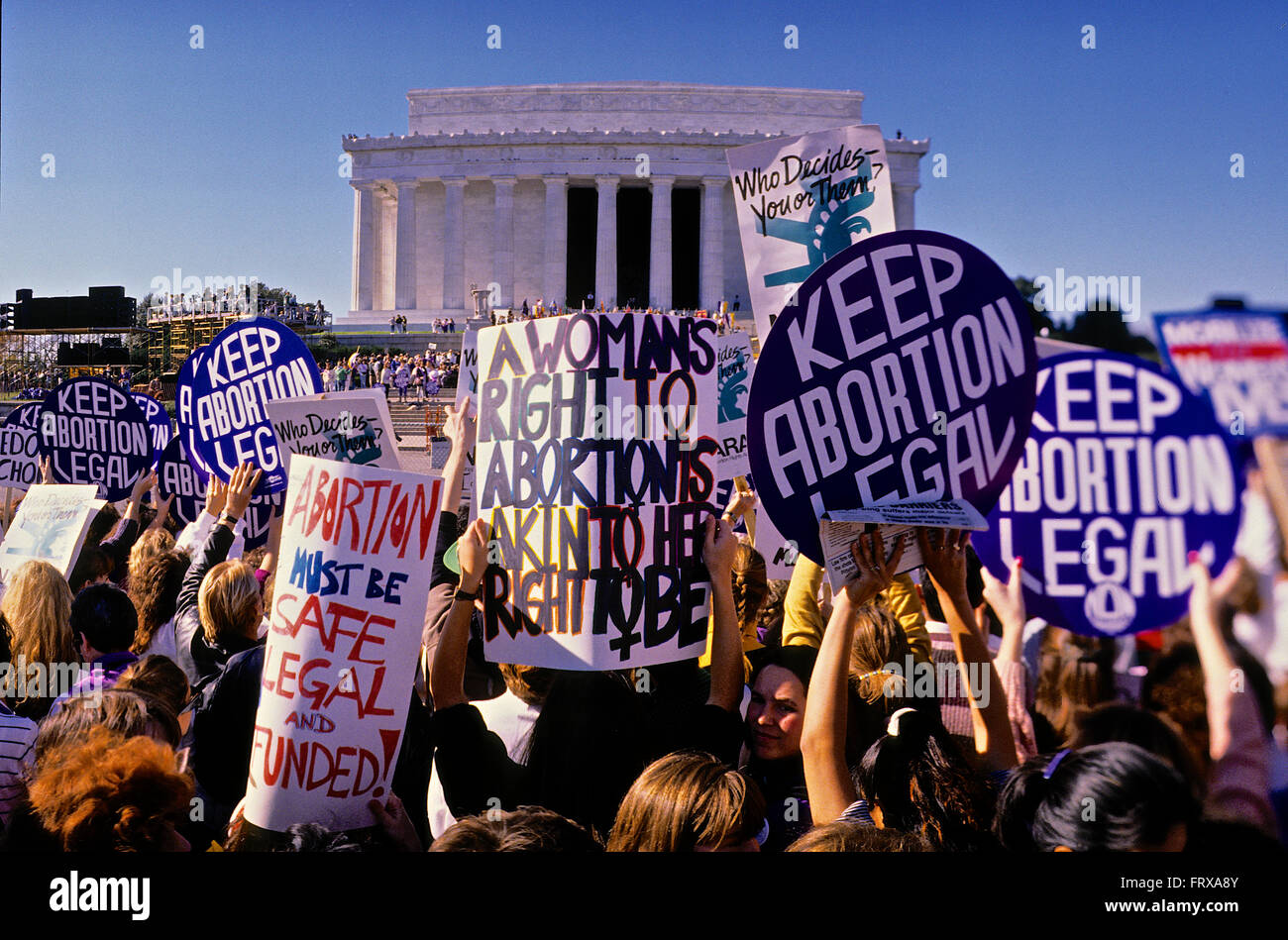
In the relentless arena of political activism, the dichotomy of pro-choice versus pro-life remains a fervent battleground. The implications reverberate through societal norms, challenging the very essence of individual agency. Recently, we’ve witnessed an irksome trend: Bush rallies blocking pro-choice T-shirts and the crucial component of undecided voters in our feminist discourse. What does this mean for women’s rights and communal identity? Buckle up; it’s a stimulating ride through the complex landscape of feminism and political expression!
The Stranglehold of Rally Culture
Rallies have long been the crucible for political statements, but how can we allow these gatherings to suppress the very messages we hold dear? The Balinese metaphor of a ‘loud gong’ comes to mind: when some voices are amplified, others become muted. At Bush rallies, the ethos of the pro-life movement punctuates the atmosphere, but what of the cacophony of pro-choice advocates? The suppression of pro-choice attire during such gatherings is emblematic of a broader societal desire to enforce conformity around ideological beliefs.
The message is clear: enter at your own risk if your views diverge into the pro-choice territory. But let’s excavate deeper, shall we? This isn’t merely about attitudes toward T-shirts but about stifling discourse. The act of blocking pro-choice shirts is not just a statement against abortion; it’s a repudiation of women’s autonomy, reducing complicated human experiences into binary absolutes. When rallies legislate what can be worn, they inadvertently craft a narrative that shrouds women in guilt and shame. The culture of political rallies must welcome the plethora of viewpoints, especially those rooted in personal rights and choices.
The Undecided Voter Dilemma
Now, let’s pivot our attention to an oft-ignored demographic: undecided voters. Frustratingly elusive, they float between heavy rhetoric and nuanced reasoning. Are they merely apathetic, or do they grapple with profound uncertainties around contentious issues like abortion? As feminists, are we doing enough to engage them meaningfully? Ignoring the undecided electorate reflects an elitist rejection of the fluidity of belief, as if they’re not worthy of our time and effort.
Consider the immense power they hold in shaping political landscapes. Engaging this demographic requires genuine dialogue, transcending stereotypical labels and assumptions. It’s essential to listen to their concerns: Do they fear the loss of individual freedoms? Are they troubled by the potential consequences of decisions surrounding abortion? What are their opinions shaped by religion, culture, or personal history? Creating spaces for these conversations is paramount not only for pregnant individuals but for societal cohesion.
Feminism fundamentally argues for the liberation of choices; thus, we must challenge the narrative surrounding undecided voters. Are they neutrals to be scorned, or are they potential allies to be cultivated? Rallying behind the idea that every single individual’s perspective can contribute to a thoughtful solution is itself an act of radical feminism. And so, the question looms: how can we entice these swayable souls into our rich tapestry of ideology without coercion?
Rally Down the T-Shirt Express
Amid the fervor surrounding these rallies, one can’t help but ponder: what if T-shirts themselves became vessels of change? They are, after all, a provocative medium. Each slogan, each color, serves not just as a declaration but as an invitation to dialogue. So, how do we flip the script?
Imagine a paradigm where pro-choice advocates leverage the very rally culture that attempts to suppress them. What if instead of hiding T-shirts, they donned them proudly, transforming rallies into stages of defiance? This resurrection of T-shirt activism could inspire recognition, not disdain. But alas, navigating the backlash demands finesse. It elevates courage and comfortable vulnerability, inviting discussion instead of distancing alienation.
Challenges arise, of course: the potential for backlash, threats of violence, scornful onlookers — the list goes on. However, the beauty of feminist activism lies in its resilience. Embracing complexity and discord as part of the movement can birth innovative ideas that resonate with a wider audience, especially those undecided voters trudging through the murky waters of morality and choice.
The Pro-Choice Movement: More Than just a T-Shirt
When we strip away the surface-level symbolism of T-shirts at rallies, we stumble upon the very essence of the pro-choice movement: autonomy over one’s body. It radiates beyond merchandise and noble slogans. Feminism, at its core, encompasses the right to make choices, be they reproductive or otherwise. Thus, the challenges we face at rallies weave into the fabric of an intricate tapestry that fights for bodily autonomy, equity, and justice.
Skeptics may argue against the efficacy of T-shirts as catalysts for change, questioning whether mere fabric can alter convictions. But recall that every movement began as a whisper — and T-shirts can amplify voices into roars. In an age where social media amplifies visual aesthetics and hashtags, the opportunity for pro-choice attire to capture attention and create discourse has never been more palpable.
So, how do we elevate our discussion? How do we demand more than just passive acknowledgment from those observing our bold sartorial choices? It’s imperative we push for systemic changes that enable individuals to navigate reproductive health conversations with dignity and confidence. Our challenge lies in ensuring that every rally, every T-shirt, serves as a vehicle of empowerment, obliterating the apathy surrounding undecided voters.
Ignite the Flame of Change
The collective future rests in our hands. The pro-choice movement cannot be relegated to shadows as rallies arise. Rather, it is a clarion call for intersectional solidarity. Let’s challenge the prevailing dogma, embracing democracy even when it feels uncomfortable. Undecided voters are not a monolith; they are a spectrum of experiences worthy of engagement, conversation, and respect.
As the flames of activism flicker with the ever-changing dynamics of public opinion, feminists must rise to the occasion, transforming strategies that transcend traditional barriers. Pro-choice T-shirts may be just cotton and ink, but their capacity to represent agency, advocacy, and autonomy is infinite. It is only by uniting these dispersed viewpoints, illuminating the voices of the undecided, that we inch toward a society that reveres choice, empowers women, and honors equality.
So, dear reader, shall we strip away the silencing layers and embrace the cacophony of voices that demands to be heard? The challenge is laid before you, for our fight for agency continues, and your role in it is undeniably vital.