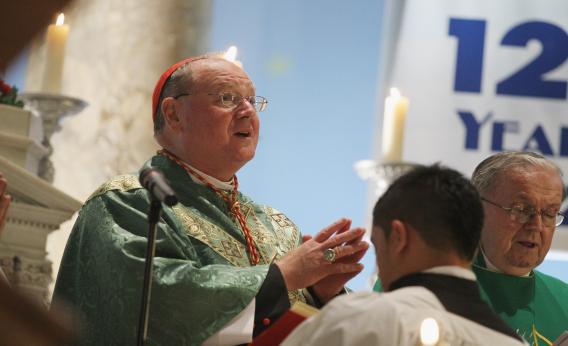
In the arena of reproductive rights, the Catholic Church has positioned itself as a sentinel guarding the gates against a tide of modernity that threatens their traditionalist ideologies. This juxtaposition presents a provocative landscape that begs to be examined through a feminist lens. Why is it so crucial for Catholic bishops to vehemently oppose the use of contraception? The implications ripple far beyond ecclesiastical confines; they resonate in the daily lives of women who strive for autonomy over their bodies. Let’s peel back the layers of this contentious issue and explore how the priorities of Catholic bishops curtail women’s rights and sovereignty.
The Conundrum of Contraception: A Tool of Empowerment
At its core, access to contraception is not merely a medical issue; it is a matter of personal liberation. Every historical wave of feminism has underscored the necessity of bodily autonomy as a cornerstone of women’s equality. Contraception provides women with choices—choices that directly impact their education, careers, and relationships. Yet, the opposition from the Catholic bishops unveils a deeper, more insidious motive: the preservation of patriarchal structures. It begs the question: whose interests are truly being served when bishops exert their influence over women’s reproductive health policies?
To classify contraception as purely a religious or moral issue is to obfuscate the broader implications of denying access. It transforms what should be an individual choice into a community debate, stripping women of the possibility to engage in family planning according to their circumstances, desires, and aspirations. This diversion of focus from women’s well-being to ecclesiastical dogma is profoundly patronizing and ultimately serves to perpetuate the very inequalities feminists fight against.
Unpacking the Bishops’ Agenda: A Defense of Tradition?
Behind the façade of tradition that the bishops champion lies a constructed reality that prioritizes dogma over the palpable needs of real women. Their rhetoric suggests that abstinence and traditional family structures are superior methods of governance over women’s bodies. But let’s dissect this claim. Tradition has often provided a comfortable blanket under which oppressive practices can hide. It’s easy for bishops to advocate for ‘family values’ when they are not the ones navigating the suffocating maze of societal expectations and economic barriers. Is it too radical to suggest that tradition should not be wielded as a weapon against autonomy?
As feminists, it is critical to interrogate the very motives of those who seek to regulate women’s reproductive choices. The Catholic Church’s stance on contraception is steeped in a belief system that sees moral fortitude in compliance rather than in empowerment. This religious insistence on self-denial positions women as mere vessels for procreation, inherently undervaluing their agency and dignity. The bishops’ refusal to adapt to the evolving fabric of modern society reveals a profound disconnect that serves only to bolster institutional power rather than individual freedom.
Moral Paternalism in a Postmodern Era
In contemporary society, it is essential to dismantle the comfortable narrative of moral paternalism that the bishops espouse. This is not merely a question of faith; it is an urgent call for equity. The Church’s steadfast grip on reproductive rights encompasses a broader critique of women’s place in society. They maintain an antiquated view of what sexuality should entail, one that dismisses the desire for pleasure, equality, and personal development. This patriarchal framework not only infantilizes women but also perpetuates a cycle of patriarchal endorsement—further entrenching the bishops’ authority over feminine autonomy.
This moral policing finds its roots in a skewed understanding of feminism itself, suggesting that women ought to aspire to traditional roles rather than break free from them. But feminism champions the ideologies of choice, variety, and empowerment, advocating for personal agency over prescriptive morality. It is a contradiction to suggest that anyone who speaks out against the bishops’ dogma is somehow undermining family values. On the contrary, true family values spring from open dialogue, respect, and the provision of choices.
Breaking the Silence: Women Speak Out
As the heirs of a legacy replete with struggle, women today must reclaim the narrative surrounding reproductive rights. They must elucidate the disruptive nature of governmental and religious interventions in their lives. It is not merely about contraception; it is about dismantling centuries of disempowerment. Women’s voices need not be silenced under the weight of ecclesiastical authority. It is high time for a collective reckoning during which women can articulate their needs without fear of judgment or consequence.
The stories of women seeking contraception illuminate the tangible impact of these restrictive policies. Many women, burdened by societal expectations and financial constraints, desire only to plan their futures without coercion. The consequences of blocked access extend beyond the individual; they reverberate within families and communities, perpetuating cycles of poverty, lack of education, and compromised health.
Conclusion: The Ongoing Battle for Autonomy
In the throes of this cultural clash, it becomes increasingly evident that the struggle for women’s reproductive rights is emblematic of a larger philosophical battle. The Catholic bishops’ prioritization of obstructing access to contraception reflects an obstinate refusal to reckon with the truths of lived experience. It highlights their commitment to an ideology that seeks to restrain rather than liberate.
Feminism demands a bold reclamation of agency. This fight is not merely for contraception itself; it is an entreaty for the dignity and freedom that every woman deserves. To grant women the autonomy to make informed decisions about their reproductive health is to acknowledge and affirm their full humanity. So, let’s call the question: who decides? Should the dictations of a select group of bishops reign supreme over the choices of countless women? It is time to engage in this conversation with tenacity, audacity, and infection revelry, because the fight for autonomy, empowerment, and equality is far from over.