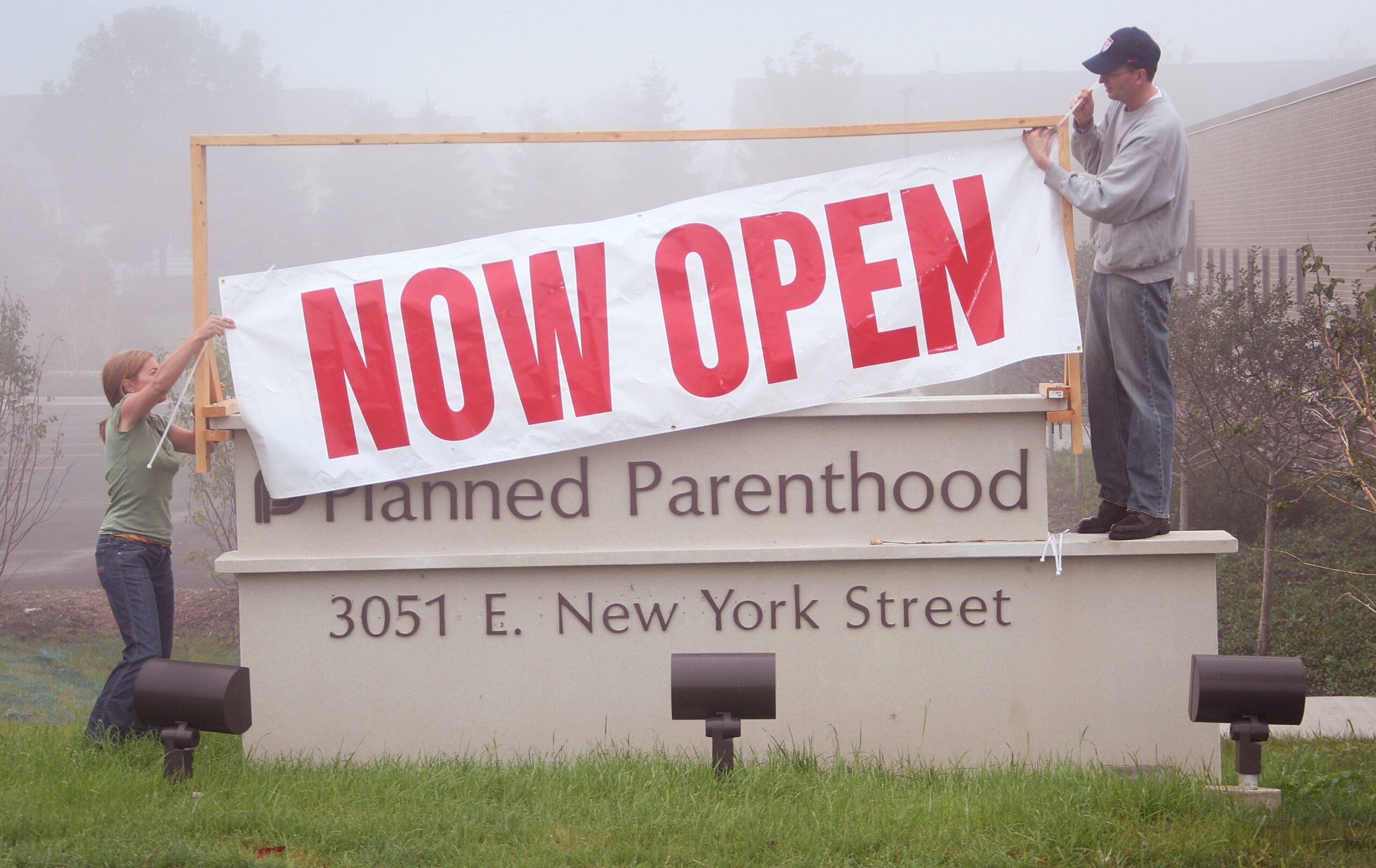
The recent court ruling that allows a Louisiana abortion clinic to remain open is more than a legal victory; it is a clarion call for the feminist movement to galvanize its efforts in the face of relentless adversities against reproductive rights. This ruling should serve as both a bastion of hope and a rallying point for advocates of women’s autonomy, as the stakes are not merely legalistic but profoundly existential. It compels us to wrestle with the veils of patriarchal regulation that persistently seek to shackle women’s choices regarding their bodies and futures.
In unpacking the implications of this ruling, it is crucial to delve deeper into the nuances surrounding reproductive rights and their intersectionality with feminism. The scourge of abortion stigmatization, the unyielding legislative barriers, and the overarching cultural narratives surrounding women’s reproductive choices require a thorough examination. This discourse transcends the confines of legality; it encompasses the very essence of autonomy, dignity, and the right to self-determination, all of which are paramount to the feminist ethos.
The ruling serves as a testament to the power of collective action, demonstrating that organized resistance can yield tangible outcomes. However, this victory should not cloak the reality that we stand on the precipice of an ongoing battle. The judicial terrain surrounding abortion rights remains precarious; encroachments on these rights may still loom ominously in various states. Therefore, the implications of this ruling extend beyond Louisiana’s borders; they resonate throughout the entire nation, providing a template for advocacy and resistance in states where women’s rights are under siege.
Feminist jurisprudence has long recognized the need to dismantle legal structures reinforcing systemic inequalities. The Louisiana case epitomizes this struggle, as it is rooted in the larger framework of feminist activism that challenges patriarchal control over women’s bodies. Yet, as we celebrate this decision, it is crucial to interrogate the socio-political contexts that necessitated the litigation in the first place. The need for a lawsuit stems from the draconian nature of anti-abortion statutes that have proliferated across the nation, reflecting a concerted effort to undermine women’s agency. Such legislations reveal a disturbing spectrum of misogyny; they are often born from ideologies that seek to control reproductive choices under the guise of moral imperatives, yet are fundamentally about power and control.
The triumph of this ruling exemplifies the resilience of those who resist this pervasive narrative handed down from generations of patriarchal governance. The judicial endorsement of the clinic’s right to operate elucidates the inherent contradictions in anti-abortion arguments. Advocacy groups often frame their opposition as protective of women; however, this ruling clarifies an unsettling truth: the most profound danger to women often arises not from abortion itself but from the denial of access to safe, legal procedures. By undermining access, legislators endanger lives and perpetuate cycles of poverty and inequality that disproportionately affect marginalized communities.
In the grander narrative of feminism, the Louisiana ruling opens avenues to discuss how intersectionality plays a crucial role in various women’s experiences with reproductive health. Women who are economically disadvantaged, women of color, and those in rural communities face unique hurdles when navigating the healthcare system. The struggle to keep abortion clinics open is not just about the facility itself; it is about the promise of equitable access to healthcare, which every woman should rightfully enjoy. The Louisiana case acts as a microcosm of the broader socio-economic disparities that govern women’s reproductive choices. The decision to terminate a pregnancy often intersects with factors such as socio-economic status, race, and systemic oppression. To craft effective narratives and policies, feminists must be vigilant against simplistic understandings of abortion as mere choice; it is inextricably linked to one’s socio-political context and the fabric of systemic power dynamics.
Culturally, the ramifications of this court ruling extend into realms of public perception and attitudes surrounding abortion. Feminist activists have long fought to destigmatize the discourse surrounding abortion, and rulings such as the one in Louisiana are pivotal in normalizing conversations about women’s reproductive health. The cultural narratives must shift from depicting abortion as a taboo subject to framing it as a matter of public health, personal dignity, and societal responsibility. The reluctance to engage in candid discussions about abortion, laden with puritanical judgment, only exacerbates the trauma of women who must make these profoundly personal decisions. To propagate stigma further isolates and alienates women, making them vulnerable to additional forms of systemic oppression and societal scorn.
However, amidst the celebration of this legal victory, it is paramount to remain vigilant about the homegrown ideologies feeding the legislative onslaught against reproductive rights. The existence of abortion clinics is under continuous threat, not only from overt legal actions but also from the undercurrents of public sentiment that are swayed by misinformation and fear-mongering. These clinics often find themselves on the frontline of a culture war, where the right to access safe, legal abortion is perceived as a direct challenge to a conservatively held belief system. The ruling in Louisiana, therefore, cannot be seen in isolation; it is part of a broader narrative that requires active participation, advocacy, and support from those who believe in gender equity and bodily autonomy.
The battle for reproductive rights is ongoing; victories like the Louisiana ruling provide a moment of respite but should be viewed as part of a continuous struggle. Each judicial endorsement of women’s rights ignites the spark of advocacy, clarifying that our fight is far from over. Feminism must embrace its dynamism; it must challenge itself to apply lessons from localized victories to foster a unified front against the pervasive forces of patriarchal repression. Recognizing the historical significance and the contemporary ramifications of such rulings requires cohesive advocacy, unwavering solidarity, and an unwavering commitment to ensuring that reproductive rights are upheld, expanded, and celebrated as fundamental human rights. The journey toward comprehensive reproductive justice is fraught with challenges, yet it is a path that must be courageously navigated—for the sake of women, for the sake of equity, and for the sake of humanity.