
















In a world that brims with the promise of equality, it’s perplexingly clear that the gender gap remains a gaping chasm, widening with each passing year. This disparity is not just a women’s issue; it is a societal malaise that gnaws away at the very fabric of democracy and social justice. The implications of this gap are manifold, spilling over into political arenas, economic reigns, and cultural narratives. As young activists, thought leaders, and engaged citizens, understanding the nuances of the gender gap and harnessing its implications is pivotal. Welcome to a discourse that seeks not just to unravel the complexities of the gender gap but to provoke a response that reverberates in the corridors of power.
When the term “gender gap” is thrown around, what does it truly encapsulate? Ostensibly, it refers to the disparities between men and women in various spheres—economic participation, educational attainment, health outcomes, and political voice. Each facet of this gap unveils another layer of societal inequity, manifesting not as a singular issue but as a gridlock of intersecting troubles demanding urgent attention. Yet all too often, discussions around the gender gap lack the fervor and urgency they warrant.
At its core, the gender gap is an embodiment of systemic injustice. Acknowledging this is imperative. The political implications are far-reaching and deeply intertwined with the feminist movement; they call into question not only the social structures that uphold these inequities but also the very ideologies that seek to destabilize them. In light of this, it is crucial to scrutinize the mechanisms that perpetuate such divides, igniting a fiery debate within the feminist community and beyond.
The Political Machinery: Unpacking the Gender Gap
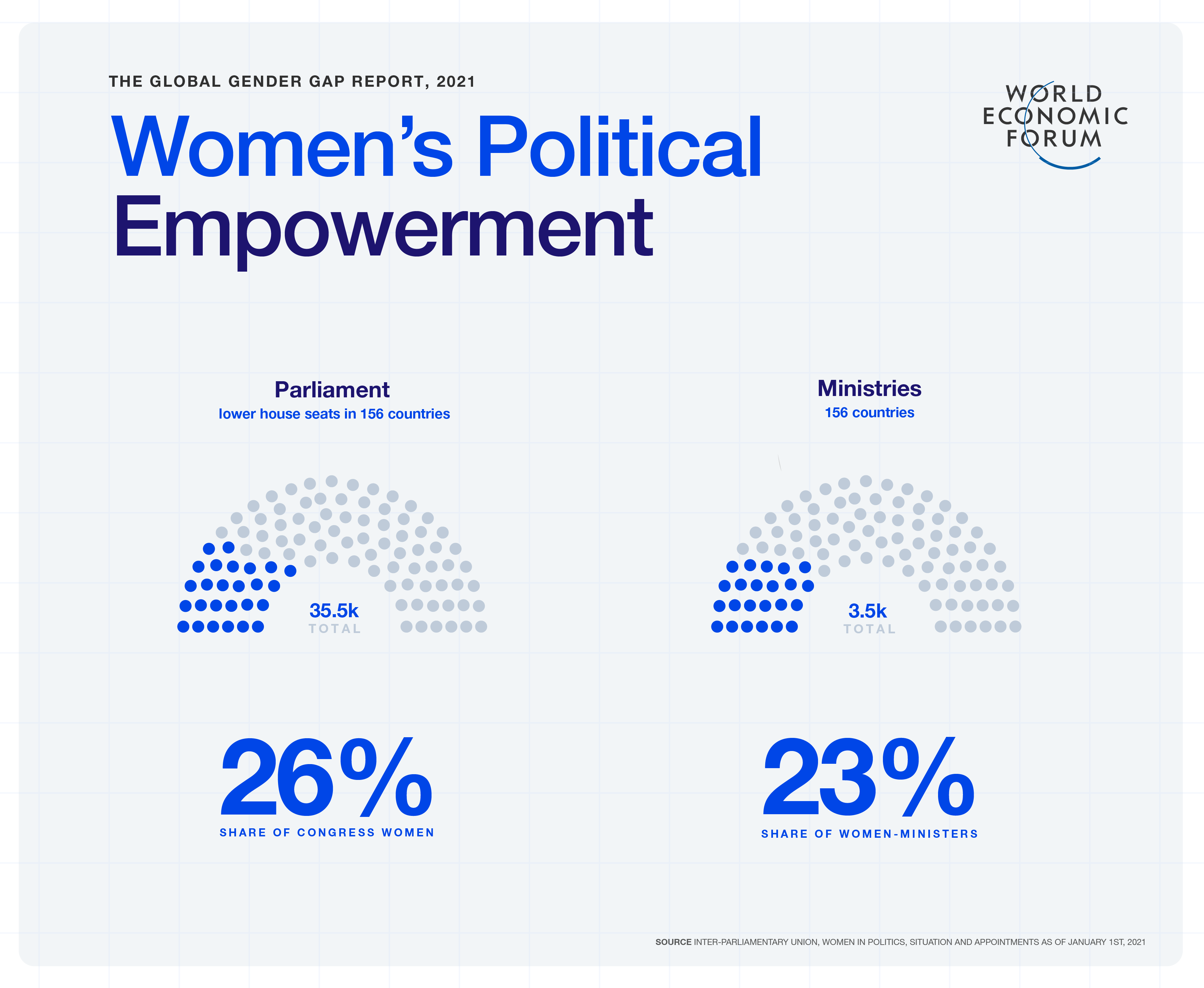
The intricacies of the gender gap can be likened to a labyrinth, where each pathway leads to another set of challenges. Political representation, or the lack thereof, is a glaring component. Women remain significantly underrepresented in legislative bodies worldwide. A mere glance at the figures—fewer than 25% of parliamentary seats are held by women—reveals a disconcerting narrative. This statistical sobering reality begs a pressing question: how can policies genuinely advocate for gender equity when the entities crafting these policies lack the diverse perspectives necessary to understand the lived experiences of women?
To elevate the voices of women, one must first recognize that traditional political structures have been designed by and for men. This isn’t merely a matter of numbers; it’s about the cacophony of unheard perspectives and the consequent policy void. If we think of the political landscape as a vast stage, women have largely been relegated to the role of audience, permitted only to clap occasionally or heckle from the sidelines, but rarely invited to tread the boards themselves. This inequality hampers progress and fosters a derivative status quo.
Women’s economic participation—and the disparities that manifest therein—is another critical vector across which the gender gap is perpetuated. The wage gap, often downplayed or misconstrued as an innocuous disparity, reveals the insidious nature of gender bias. The notion that women earn 80 cents for every dollar a man makes is not just a statistic; it is a clarion call for action that must resonate within the hallowed halls of power. This situation stifles potential and creates a vicious cycle where women are not only economically disadvantaged but are also marginalized in political discourse as a result.
Redefining Feminism: Mobilizing for Change
Redefining the conversation around feminism is imperative. Feminism today must not only advocate for women’s rights but should actively seek to dismantle the existing power structures. This means a swift and ruthless critique of political, economic, and cultural paradigms that uphold systemic oppression. It’s crucial for the younger generation to grasp that achieving gender equity requires radical change—this is not a battle of incremental reforms but one of transformative revolution.
As young feminists emerge onto the global stage, they must wield their platforms critically. The proliferation of social media has democratized discourse; it allows movements like #MeToo and #TimesUp to flourish, becoming catalysts for change. These platforms empower a new generation to amplify voices that previously went unheard. However, engagement must transition beyond the digital realm into tangible, real-world actions. It is not enough to tweet about gender equality; engaging in local politics, grassroots movements, and advocacy campaigns is how true change will materialize.
The Importance of Intersectionality: Expanding the Narrative
Now, let’s consider intersectionality in the context of the gender gap. Feminism often gets pigeonholed into a monolithic narrative, but the truth is that the implications of the gender gap ripple outwards, affecting women differently based on race, socio-economic status, sexual orientation, and disability. A feminist forum that lacks diversity in representation is inadequate and ineffective; only by embracing a wide-ranging soundboard of experiences can the movement genuinely advocate for universal equity.
This means bringing women of color, LGBTQ+ individuals, and those from various socio-economic backgrounds into the fold of feminist discourse. Empowering diverse voices is not merely a checkbox on a to-do list; it’s an essential practice that champions a holistic understanding of feminism and the multifaceted challenges posed by the gender gap. Such inclusivity enriches the feminist discourse and ensures that policies target root problems effectively, rather than applying superficial fixes that merely mask deeper societal issues.
A Call to Action: Making Your Voice Heard
So, what now? It’s time for the younger generation to pivot from passive observers to active participants in the fight against the gender gap. The political implications of this gap are not something to be taken lightly; they pose significant risks not just to women but to broader societal progress. Engage in discussions. Advocate for equitable policies that affect education, healthcare, and labor rights. Disrupt the status quo by demanding that public leaders uphold principles of equality and inclusion.
Young activists have a unique power to mold the future; harness that energy. Mobilize your peers, innovate strategies, and push back against unjust societal norms. Create coalitions of diverse voices that amplify the struggles of those marginalized. By establishing a united front, the movement becomes not just a whisper but a collective roar—penetrating the political landscape with a fierce determination to uproot systemic injustice.
In conclusion, the gender gap is not a nebulous concept but an urgent call to action that requires fervent engagement and passionate advocacy. The implications of this gap are profound, shaping not only the present but the trajectory of future generations. With the harmonized voices of young activists reverberating through the political corridors, there exists a potential for the emancipation from this pernicious cycle. The time for action is now—be the catalyst that ignites the flames of change.