

















In the labyrinthine world of women’s health, mammography serves as a critical beacon for early detection of breast cancer. Yet, despite its potential, the accuracy and efficacy of this process remain mired in controversy and uncertainty. It’s time for a paradigm shift—feminists must advocate for comprehensive federal guidelines aimed at improving mammography accuracy. These guidelines would not only benefit women’s health outcomes but also illuminate the broader implications of gender inequality in healthcare. This discourse is not merely a technical examination; it’s a clarion call for equity, justice, and empowerment in a system that has historically sidelined women’s health issues.
The controversy surrounding mammogram accuracy cannot be overlooked. Current practices often overlook significant variables, particularly the intersection of race, age, and socioeconomic status. A federal approach would demand standardized protocols that address these disparities, shedding light on the myriad factors contributing to inaccurate readings. The voices of women—especially marginalized women—must resonate loudly in the halls of power, compelling policymakers to act in ways that ensure no woman’s health is compromised by systemic negligence.
Women Deserve More than Statistically Mediocre Outcomes
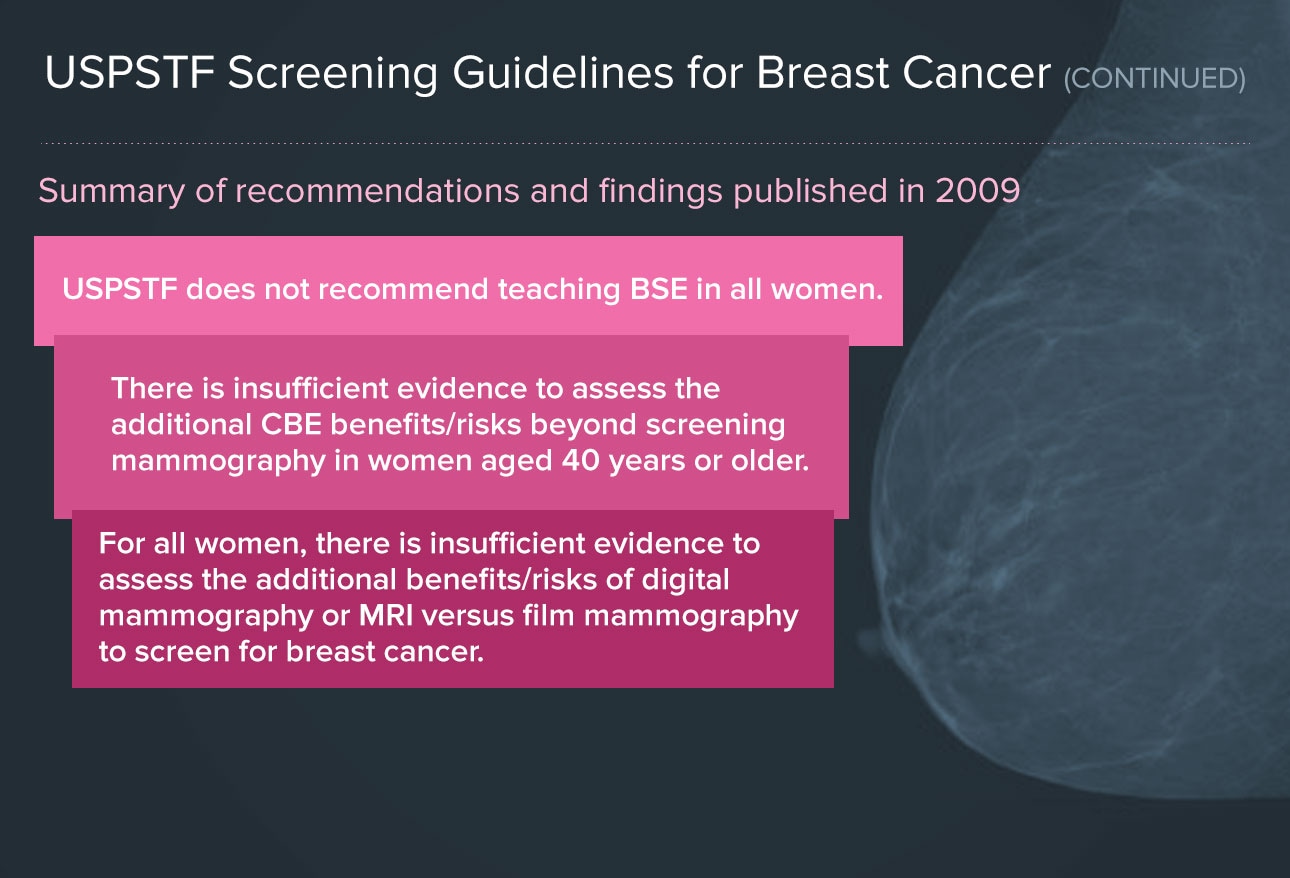
Statistics can be chilling. The general public is often presented with figures indicating that mammograms reduce breast cancer mortality. This is true; however, a closer examination reveals a disquieting reality. For a subset of women, particularly those under 50 or of certain racial backgrounds, mammograms can yield more false positives than accurate diagnoses. This incongruity demands a reckoning. The current landscape of mammography, governed largely by private interests, has not prioritized the genuine needs of the women it purports to serve.
To rectify this, federal guidelines must prescribe standardized training for radiologists and technologists. A robust national framework would ensure that those interpreting these crucial images are equipped with the most current knowledge and skills. Furthermore, it would advocate for the integration of advanced technologies, such as artificial intelligence, which holds promise in enhancing diagnostic accuracy. This isn’t just about improving outcomes; it’s about reshaping the narrative that has relegated women’s health to the periphery of scientific inquiry.
Empowering Women through Transparent Healthcare
In a society steeped in the ideals of consent and personal autonomy, why are women frequently left in the dark about their health choices? Transparency in healthcare is an ethical imperative, yet many women are operating under a veil of uncertainty when it comes to mammography. A federal mandate could enforce clearer communication regarding the risks and benefits associated with mammography, including the potential for false positives and negatives.
Furthermore, the push for enhanced transparency dovetails with the need for informed consent. Women should be equipped with extensive information to make choices that resonate with their values and concerns. This entails not just verbal explanations but also comprehensive written materials that demystify the intricacies of mammography. An empowered patient is an advocate for her own health and a potential changemaker in her community.
Addressing the Stigma Surrounding Women’s Health Issues
Women’s health issues have been shrouded in stigma for far too long, overshadowed by myths and misconceptions. As feminist activists, it’s our responsibility to dismantle these narratives. The reluctance to discuss breast cancer and the mammography experience can lead to underreporting of symptoms and delays in seeking care. Therefore, the promotion of federal guidelines should also encompass public awareness campaigns that destigmatize discussions about women’s health.
By reframing the conversation around breast health—from something that is often whispered about to a topic that is openly discussed—we not only empower women to seek care but also bolster societal support for robust health policies. The establishment of federal guidelines could serve as a catalyst for societal change; as norms shift towards openness, the stigma will gradually dissipate.
The Intersection of Gender, Race, and Healthcare Equity
A critical examination of mammography practices reveals a shocking truth: women of color face disproportionately poor outcomes. This inequality in healthcare access and quality highlights systemic racism that permeates the medical community. Federal guidelines should mandate that all mammography protocols consider these disparities, urging healthcare providers to implement culturally competent practices.
For instance, standardized training could include modules on the unique health profiles of diverse populations, ensuring that all women receive equitable care. Fostering partnerships with community organizations rooted in these populations can bridge the gap between the medical establishment and the communities they serve. Both realms need to collaborate closely to develop targeted outreach strategies that are culturally relevant and accessible. After all, health is a social determinant, intricately linked with broader social conditions.
Advocacy for Post-Mammography Support Systems
What happens when a mammogram reveals distressing news? The experience doesn’t end with the diagnosis; women navigating the maze of breast cancer treatment require holistic support systems that extend beyond medical interventions. Federal guidelines should emphasize the establishment of comprehensive care programs that prioritize emotional, psychological, and social support. Resources should be made available to help women cope with the diagnosis, treatment, and potential long-term repercussions of their condition.
Additionally, building a supportive environment involves clinicians engaging with patients on a deeper level, recognizing the intricate psychological toll a diagnosis can impose. From counseling services to community-building programs that connect women in similar situations, the healthcare system must evolve to offer more than just clinical care. It should provide a nurturing framework that acknowledges the emotional landscape of women’s health.
Feminism’s Role in Shaping the Future of Mammography
As we stand on the precipice of potential change, the role of feminism in healthcare cannot be understated. The persistence of gender biases and systemic inequalities has highlighted the urgent need for a restructured dialogue around women’s health. Advocating for standardized mammography guidelines is but one piece of a larger puzzle—issues of access, equity, and informed choice must all converge in pursuit of a healthcare system that honors and values women.
It is time for advocates to disrupt the status quo, push boundaries, and demand the implementation of federal guidelines that prioritize the health of all women. This is not just a health issue; it is a feminist issue, a human issue. The inevitability of change hinges upon the voices of those willing to shout in the silence, refuse to be sidelined, and stand tall. Together, we can galvanize a movement that ensures every woman receives the accurate, respectful, and comprehensive healthcare she deserves.
Mammography accuracy and accessibility should not be mere footnotes in women’s health discourse. They are pivotal to dismantling the borders of feminism, extending beyond the clinic into the very essence of social justice, equity, and authentic empowerment. The time for action is now, and it begins with us.