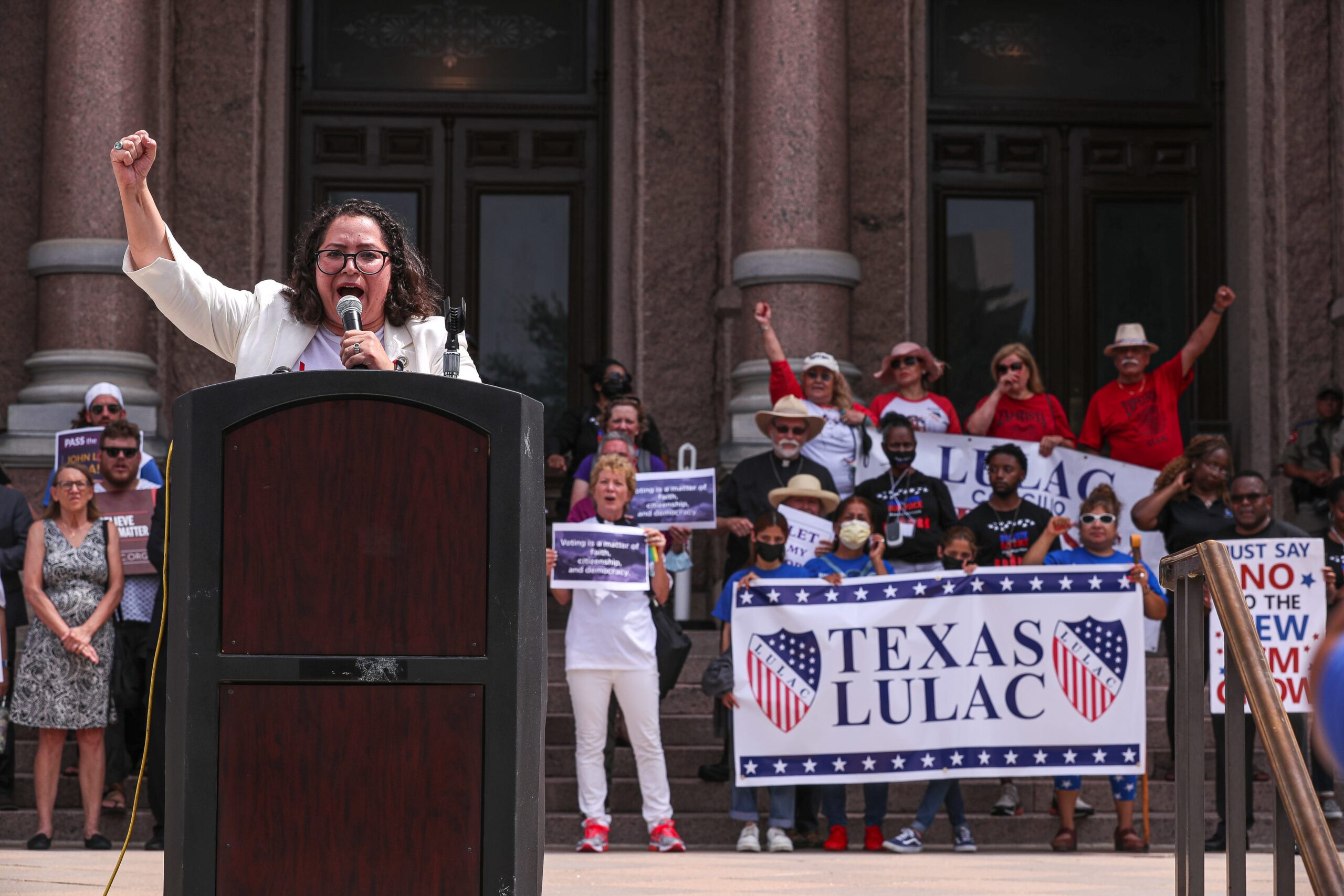
The air is thick with tension and anticipation as the reverberations of a recent judicial decision echo across the state of Texas and beyond. A federal judge has struck down Texas’s revised voter ID law, a ruling that promises to shake the foundations of voter access, especially for women. This moment stands as a microcosm of a broader struggle for civil liberties, reflecting both the intricacies of gender politics and the unyielding demand for equitable access to the ballot box. What does this mean for the future of feminism, and how will it reshape our collective understanding of voter rights and identity? Let us unravel the complex threads of this issue.
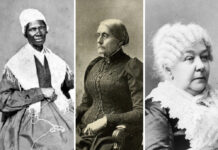
Historically, women have engaged in a relentless battle to secure their place in the democratic process. Our rights to vote were hard-won, emerging from suffrage movements that rallied against institutional patriarchy and systemic disenfranchisement. The ripple effects of that struggle resonate through generations, and contemporary laws governing voter ID requirements cannot be divorced from that legacy. Are we witnessing yet another chapter in the ongoing saga of disenfranchisement that disproportionately affects women, particularly women of color? The answer lies in scrutinizing the implications of this ruling through a feminist lens.
As the gavel struck down the stringent provisions of Texas’s voter ID law, a powerful message reverberated through civil rights communities and feminist circles alike. The decision shines a spotlight on the insidious nature of legislation that seeks to erect barriers to voting, especially for marginalized groups. Women—especially those from lower socio-economic backgrounds—often face unique hurdles: inadequate resources for obtaining valid identification, the juggling of familial responsibilities that complicates access to polling places, and heightened vulnerabilities that impede their participation. The judicial rebuke is not merely a setback for restrictive legislation; it is a clarion call for women’s rights activists to re-engage with the voter ID discourse.
The ramifications of revising voter identification laws stretch beyond mere bureaucratic inconvenience. They are emblematic of larger societal narratives that dictate who is deemed worthy of participating in democracy. As feminist advocates, we must dissect the quagmire of implications surrounding these policies. What does it signify when a state enacts laws that not only complicate the voting process but also disproportionately affect women and marginalized communities? It is nonsensical to argue that such regulations bolster election integrity when the reality is that they serve to disenfranchise those who may least afford it—often the very demographics that feminism strives to uplift. The discourse must pivot back to the acknowledgment of intersectionality in voter rights—a tenet that has been undervalued in legal debates.
At the heart of this dilemma lies a profoundly urgent question: What are the social ramifications of withholding access to the sacred institution of voting? It becomes more than a matter of supplies and documentation; it is a question of personhood. For many women who juggle multiple roles—caregivers, workers, activists—the increased burden of proving their identity can become a roadblock to their civic engagement. The laws, thus, are less about verification and more about subjugation, forcing individuals to navigate a gauntlet of obstacles designed to exclude the most vulnerable in society. The federal judge’s ruling serves, therefore, as an affirmation of the rights of women to engage freely with their democracy, unencumbered by paternalistic obstacles.
It is critical to recognize that the impact of these voter ID laws is often misunderstood or misrepresented. Legislation framed under the guise of protecting electoral integrity manifests, in many instances, as a hegemonic tool wielded to silence dissent and marginalize women’s voices. By imposing barriers that disproportionately impact women—who are already socialized to be caretakers, to prioritize family over personal desire—the ruling becomes a tangible affirmation of feminist principle, one that calls for active resistance against imposed limitations.
Additionally, examining the psychological impact of strict voter ID laws introduces another layer of complexity. The act of voting inherently embodies an assertion of agency and autonomy. When women are rendered unable to exercise this vital function of citizenship, they disproportionately endure feelings of helplessness and frustration. The legal team’s successful strike against Texas’s revised voter ID law thus becomes a landmark moment, emphasizing that women’s participation in democracy is not a privilege to be granted but a right to be celebrated.
However, this ruling is not sufficient on its own; it signals the need for persistent advocacy that extends beyond the courtroom. Feminism must harness this moment to galvanize grassroots efforts, ensuring that the energy from this victory translates into widespread mobilization. Turning our gaze to the future, let us contemplate how women can utilize this judicial victory as a stepping stone toward broader electoral reforms. Initiatives that enhance voter education, accessible registration processes, and community-led outreach can dismantle barriers erected not only by outdated laws but also by apathy. This pivotal moment allows us to not only reclaim our voices but to amplify them in unison, forming a chorus that demands systemic change.
As we usher in this potential shift in perspective, the discourse surrounding voter access must imbue a sense of urgency—one that aligns with feminist ideals around empowerment and justice. The need for accessible voting is urgent, particularly in a landscape where political promises often mask deeper systemic inequalities. Schools, workplaces, and community organizations must engage in understanding and addressing the specific challenges women face when accessing their voting rights.
In conclusion, the dismissal of Texas’s revised voter ID law by a federal judge is more than a legal victory; it serves as a critical juncture in the ongoing battle for women’s rights. This decision compels us to reevaluate our approaches to voter access and ignites a fervor for sustained activism. By championing a feminist perspective that acknowledges intersectionality as a core principle, we can forge a path toward an inclusive democracy where every woman’s voice is heard and empowered. This journey won’t be easy, but it is essential—the stakes are too high, and the right to vote is too sacred to be relegated to a bureaucratic hurdle. Let us rise together, fueled by the resolute belief that democracy should not merely tolerate our participation; it must celebrate it.