Unpacking the Gender Discrimination Lawsuit Against Costco
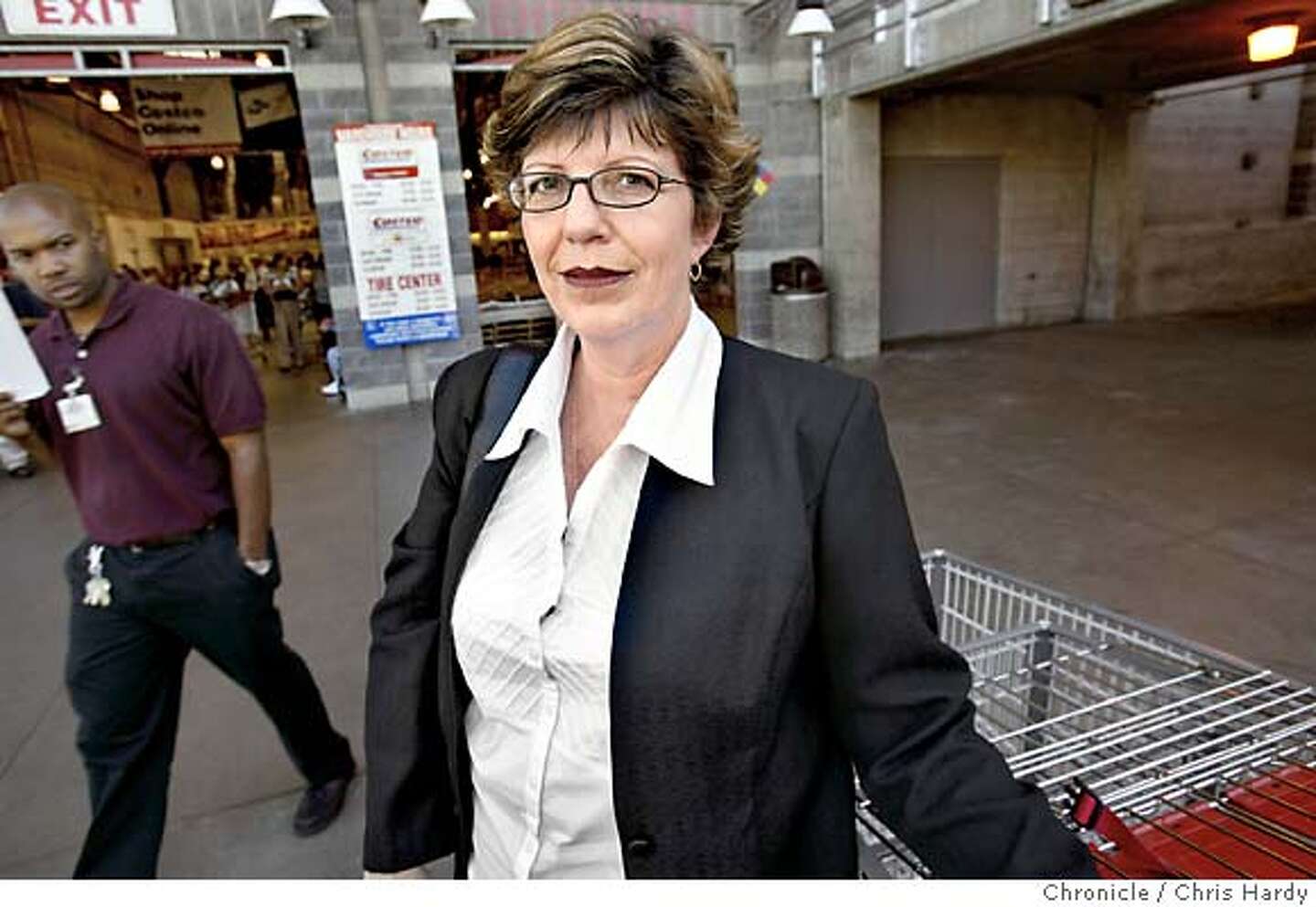
In an age where the dialogue surrounding gender equality permeates every conversation, it’s time to shine a spotlight on the workplaces that perpetuate inequality. Recently, a group of female employees at Costco took a bold stand against their employer. They filed a gender discrimination lawsuit, which is nothing short of a clarion call for women everywhere. This lawsuit isn’t just another corporate battle; it’s indicative of a larger systemic issue that we, as a society, must confront.
Unveiling the Hidden Bias: The Heart of the Lawsuit
Costco, a giant in the warehouse retail domain, is often seen as a progressive employer, boasting competitive wages and robust benefits. Yet, behind this veneer lies a troubling reality. Female employees have alleged that they were subjected to gender bias, underlining the duality of corporate portrayals versus actual experiences. The lawsuit reveals that women at Costco often face disparities regarding promotions, pay, and recognition in comparison to their male counterparts, thus questioning the ethical frameworks of a corporation that prides itself on fairness.
The claimants assert that, despite their dedication and hard work, their contributions have frequently been overshadowed. They argue that the glass ceiling, albeit not always visible, is palpably present within the Costco framework. It’s vital to dissect how even the most seemingly progressive companies can harbor discriminatory practices that reflect a much larger societal malaise.
The Illusion of Equality: Culture vs. Reality
In myriad workplaces, including powerhouse retailers like Costco, the messaging surrounding equality can often be a façade. The culture that is projected—one of inclusivity and equal opportunity—is frequently at odds with lived experiences. A dissection of the corporate ethos reveals that while slogans and policies proclaim support for gender equality, the day-to-day operations reveal an entirely different narrative.
This disconnect speaks volumes about the essential need for transparency. Workers should not merely have an appearance of equity but must experience it genuinely. The female plaintiffs argue that the promotional practices at Costco, which often privilege male employees, reflect entrenched biases that many in management may be blind to. Gendered expectations and stereotypes permeate many corporate cultures. Women may be viewed through a limited lens—expected to excel in certain roles, yet overlooked when it comes to leadership. This perceptual distortion has an insidious effect, perpetuating a cycle of invisibility and marginalization.
Empowering the Voices: The Importance of Collective Action
This lawsuit isn’t simply about individual grievances; it’s a clarion call for collective action. In an era where feminist activism is gaining unprecedented momentum, the actions of these Costco employees signify that women will no longer remain silent. This collective uprising represents a turning tide where women are emboldened to challenge systemic injustices. Advocating for oneself and one’s peers is not merely an act of resistance; it is a catalyst for transformation.
Additionally, solidarity among female employees can serve as a potent tool against discrimination. When women unite, they amplify their voices and enhance their impact. As this lawsuit unfolds, it can inspire other women across various sectors to rise against unequal treatment. This collective resistance highlights an essential tenet of feminism: the recognition that individual struggles are often interconnected. The fight against gender inequality transcends the walls of Costco; it is a universal battleground for awareness and reform.
Rethinking Gender Norms: A Call for Transformation
The implications of this legal battle extend far beyond the retail sector. It prompts an urgent reflection on how gender norms are constructed and perpetuated. Society must critically examine traditional roles that dictate ‘acceptable’ behavior and career trajectories for men and women. The notions of masculinity and femininity must evolve, allowing for a more fluid understanding of what roles individuals can assume in the workplace and beyond.
The lawsuit exemplifies the necessity of reshaping the cultural narratives surrounding gender. Feminism stresses the importance of challenging societal expectations. Instead of conforming to a long-standing hierarchy, we should advocate for a redefined structure that values aptitude, regardless of gender. This transformation is crucial to dismantling the archaic systems that prioritize patriarchal values over merit-based recognition.
The Role of Allies: Men for Equality
While the narrative surrounding female empowerment is paramount, it is equally crucial for men to engage actively in the fight against gender discrimination. This lawsuit underscores the importance of creating allyship. Men, as integral parts of the workforce, play a pivotal role in advocating for equity. They must recognize the advantages inadvertently bestowed upon them and engage in conversations that challenge these benefits.
Allies can bolster the cause significantly—advocating for equitable practices, supporting female colleagues, and challenging discriminatory rhetoric. By joining forces, men can help dismantle gender biases and promote an inclusive environment. Active allyship encourages a cohesive approach to fighting discrimination, allowing for a unified front against systemic issues while fostering an environment where everyone can thrive.
The Future of Workplace Equity: A Unified Vision
As the lawsuit unfolds, it presents an opportunity for reflection and change. Will Costco take heed of this call to action? The outcome could potentially redefine corporate ethics and establish a ground for equitable practices across the retail sector. The stakes are high, and the implications could resonate beyond the present moment; they can inspire a wave of corporate accountability and foster an environment where gender equality is woven into the fabric of corporate structures.
Ultimately, the actions of these female employees illuminate a pressing truth: the fight for gender equality is an ongoing battle. Women deserve to be recognized, valued, and promoted based on their merits, not their gender. As we compartmentalize the lessons learned from this lawsuit, it is imperative to rally behind the notion that systemic change is not merely desired; it is a necessity. Together, women and their allies must advocate for a future where workplaces are marked by inclusivity and devoid of discrimination, thus paving the way for a society where equality is not an aspiration, but a reality.