
















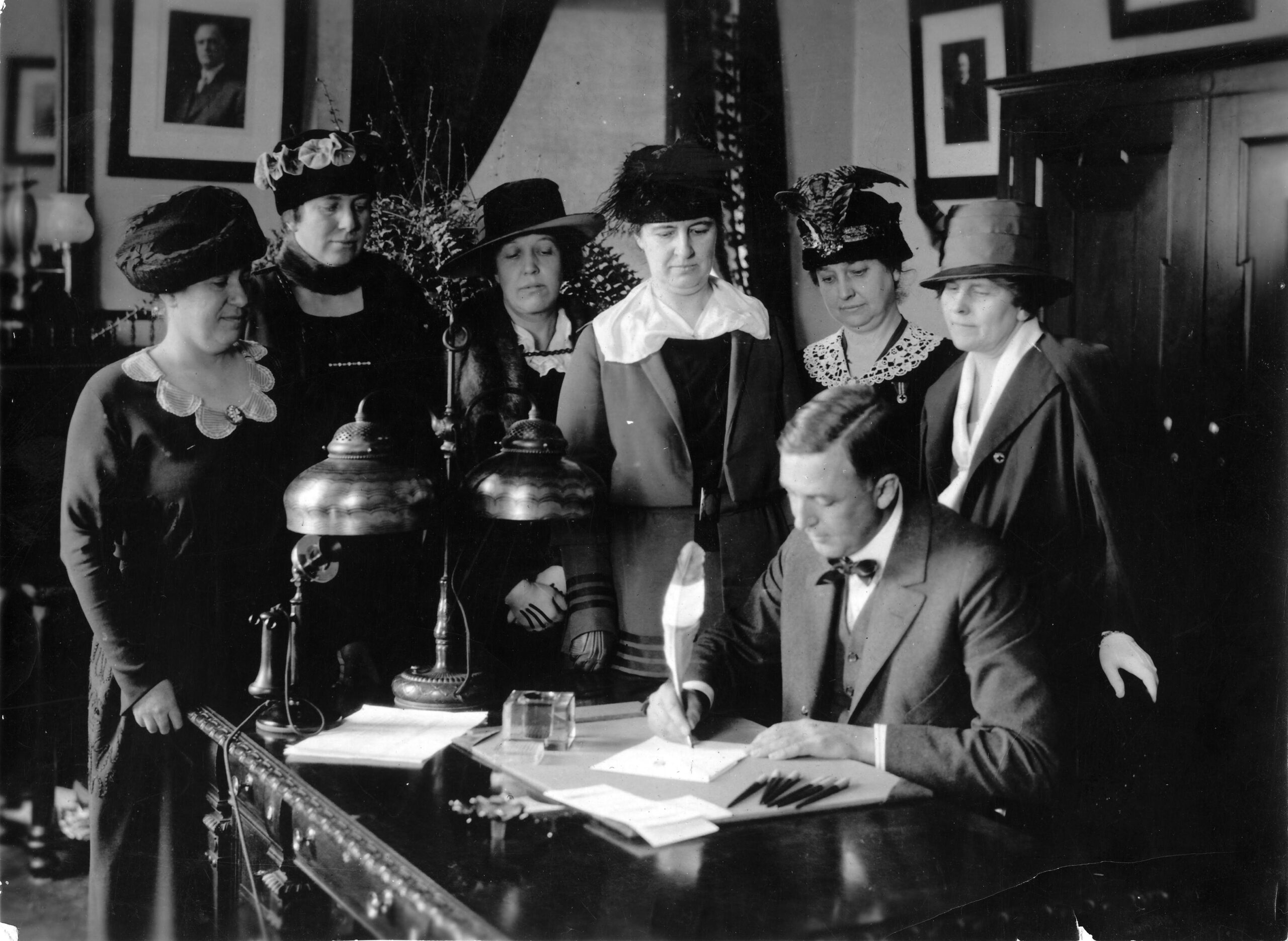
In the heart of New England, where the rocky coasts and lush forests weave tales of resilience, a modern feminist movement is reviving the battle for the Maine Equal Rights Amendment (MERA). The struggle isn’t just about legal equality; it’s a powerful indictment of an archaic system that perpetuates gender inequities. The renewed fight for MERA emerges at a crucial juncture in history when women’s rights are frequently overshadowed by political upheaval and social discord. Feminists across the state are rallying to articulate a clarion call for justice, equity, and systematic change.
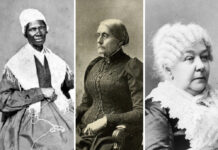
The fight for and the importance of the Maine Equal Rights Amendment can be encapsulated in the broader narrative surrounding gender equality. The blueprint for this amendment seeks to embed the principles of gender equality within the state constitution, affirming the fundamental rights of all individuals, regardless of gender. This movement is rooted in centuries of feminist activism, drawing inspiration from the suffragettes who fought tenaciously for the right to vote, paving the way for future generations to demand agency and autonomy.
As we embark on this invigorated campaign, it is imperative to scrutinize the salient tenets of feminism that inform the modern iteration of this struggle. The current geopolitical landscape complicates the battle for equality, but it also renders it increasingly urgent. Feminists are not merely advocating for legal amendments but are engaging in a broader cultural confrontation with gender norms and systemic biases that veer far beyond legislative boundaries.
From abolition to suffrage, the feminist movement has consistently addressed intersecting issues—racism, classism, and now, the multitude of identities encompassed in the LGBTQ+ spectrum. The Maine Equal Rights Amendment amplifies voices that historically lingered in the shadows, overlooked and misrepresented. The stakes are high. The push for equality remains embroiled in contention as traditionalist ideologies clash against the progressive visions offered by contemporary feminists.
A clarion call for MERA invigorates communities across Maine, catalyzing a conversation about society’s underlying malady: the ingrained perception of gender as a restrictive binary. Intersectional feminism embodies the belief that the liberation of one cannot occur without the liberation of all. Feminists leading the renewed fight for MERA articulate this principle, framing the amendment as a transformative opportunity to eradicate the legal and social frameworks that marginalize individuals based on gender.
Moreover, as we rewind the historical clock, one cannot ignore the socio-political dynamics surrounding women’s suffrage and the Equal Rights Movement. Feminists are often tasked with chronicling these histories, and now, in the context of MERA, it necessitates a reconsideration of how we narrate our collective past. The historical context of women fighting for the right to be recognized as equals must shine a light on our current demand for a legal structure that acknowledges and legitimizes this equality.
Women in Maine have consistently exemplified resilience, rallying for rights that seem almost second nature in contemporary discourse. Yet, the battle for MERA encapsulates both despair and hope as it reflects the broader, deeply-rooted issues of inequality that still persist. Today, feminists draw on these historical narratives to bolster their case for creating an equitable framework, fostering an environment that espouses both inclusivity and representation.
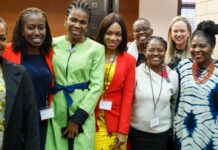
The role that grassroots organizations play cannot be overstated; these collective entities form the backbone of the movement. They implement community programs that educate and empower individuals about their rights and the importance of legal frameworks like MERA. By doing so, they cultivate an informed populace capable of engaging in the democratic process, ensuring that the voices of the marginalized not only resonate but demand amplification.
Feminists leading the charge recognize that achieving constitutional equality is not merely about amendments but about the paradigm shift required in societal consciousness. They challenge the cultural norms that normalize inequitable treatment and the silence that often encapsulates gender-based violence. Advocating for MERA signifies a concerted effort to establish a legal foundation that counters discrimination in public life, healthcare, and employment, creating a ripple effect of change throughout all facets of society.
The intersection of activism and legislation is pivotal. Lawmakers, imbued with the spirit of feminist activists, must see MERA not merely as a bill but as a commitment to a future unmarred by gender biases. This call to action transcends the conventional frameworks of political advocacy; it demands courage in the face of opposition and a willingness to confront uncomfortable truths that afflict society at large.
Critically analyzing societal attitudes toward gender elucidates the chasm that continues to exist between legal equality and lived experiences. Feminists are steadfast in their assertion that true enactment of equal rights must extend beyond mere representation; it must encompass structural transformations that instigate real change. In Maine, this means advocating for educational reforms, workplace protections, and public awareness campaigns that elucidate the complexities of gender discrimination and the implications of systemic biases.
Moreover, the intersectional approach to feminism highlights the diversity within the movement itself. Feminists in Maine affirm that the fight for MERA is not singularly a women’s issue; it entails recognizing the challenges faced by non-binary and transgender individuals who encounter legal and social hurdles. By embracing broader definitions of gender equality, the movement garners additional support from allies who understand that dismantling patriarchal constructs necessitates collective action.
It is also critical to engage men in this fight for equality. The societal frameworks that perpetuate gender inequality often ensnare men as unwilling participants in the oppressive mechanisms they have inherited. Organizations that seek to involve men in the conversation of women’s rights serve to transform the narrative, fostering allies who can stand beside feminists as credible advocates for their cause. A unified front strengthens the movement’s base, enabling it to tackle entrenched norms that uphold gender-based injustices.
As the fight for the Maine Equal Rights Amendment unfolds, it serves as a microcosm of the larger and ongoing plight for gender equality across the nation. To challenge the status quo requires tenacity, vision, and an unwavering commitment to justice. Feminists are empowered by the knowledge that history lessons echo the resolve required to engender meaningful change. It is not simply about what is possible, it is about what is imperative.
In conclusion, the renewed fight for the Maine Equal Rights Amendment is not solely a legislative endeavor; it embodies a resounding declaration that gender equality must be inscribed into the very fabric of state laws. As feminists venture forth, bridging historical narratives with contemporary activism, they inspire a collective consciousness that embraces the complexities of gender while forging ahead towards an equitable future. This moment of awakening is pregnant with possibility, and with it, the hope for a society where rights are not given but guaranteed and where every individual’s dignity is enshrined in law, forever altering the trajectory of gender relations in Maine and beyond.