

















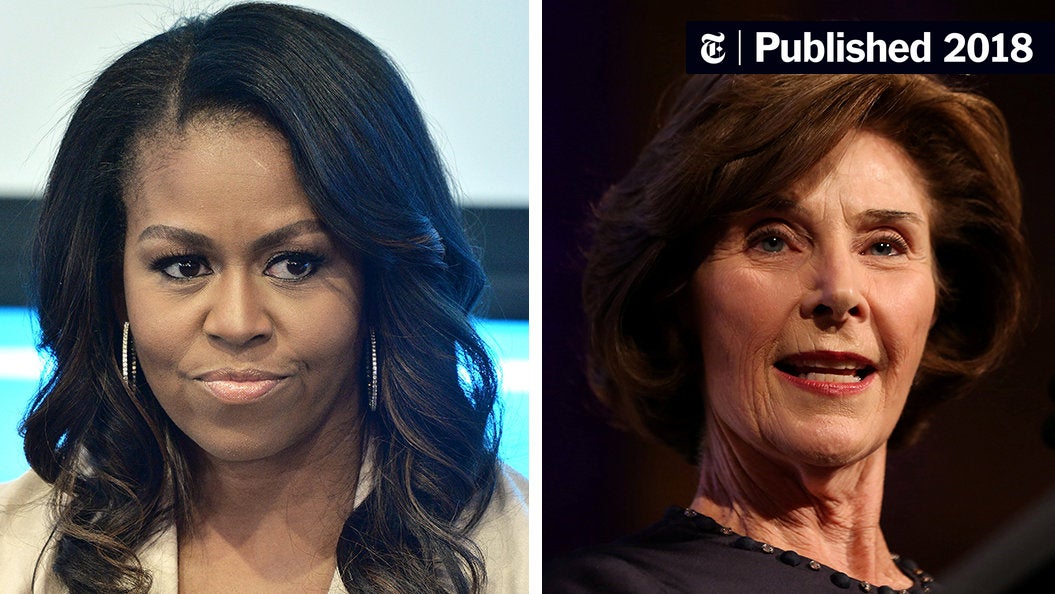
The intersection of feminism and politics is a constant battleground, and one of the most egregious forms of warfare has emerged through the Republican cuts to international family planning. In her recent public statement, the First Lady has taken a bold step to condemn these reckless fiscal decisions, reframing the narrative surrounding women’s health, autonomy, and societal responsibility. In today’s socio-political landscape, a paradigm shift is not merely preferred; it is essential. Let’s dissect the myriad implications of her position and delve into the underlying importance of international family planning from a feminist perspective.
The contours of this issue are profound. By unequivocally condemning Republican budget cuts to vital family planning programs worldwide, the First Lady not only embodies a shift in perspective but also champions a broader understanding of women’s rights as human rights. Family planning is not a privilege; it is a necessity. It gives women the power to dictate the terms of their own lives, facilitating access to reproductive health services, education about sexual health, and the resources necessary to achieve personal agency. This condemnation is less about mere political theater and more about invoking a critical reevaluation of our ethical obligations toward women globally.
As the First Lady highlights, our government’s support—or lack thereof—significantly impacts women’s health systems, societal structures, and economic ecosystems. It’s disheartening that cuts to family planning do not exist in a vacuum; they exacerbate the already dire circumstances faced by women in developing nations. The implications of these cuts are both immediate and widespread, perpetuating cycles of poverty and instability. From reducing maternal mortality rates to combating sexually transmitted infections, family planning services are intricately interwoven into the fabric of public health. In this contentious political climate, it is paramount to recognize the fragility of women’s rights and the stark reality that erosion of access equates to a regression of progress.
Through the First Lady’s clarion call, we are urged to reconsider the moral imperatives tied to investing in women’s health on an international scale. This is not simply a partisan debate; it’s a struggle for equity and justice. The Republican cuts to these critical programs can be viewed as a calculated disregard for the lives and futures of millions of women. Feminists must refuse to remain silent in the face of such desolation. It is imperative to invoke the tenets of solidarity and intersectionality. We must acknowledge that family planning is an issue of social justice, intertwined profoundly with economic parity and gender equality.
Creating a Future where Women Thrive
Central to any discussion surrounding international family planning is the vision of a sustainable future where women not only survive but thrive. The First Lady’s condemnation of Republican cuts serves as a clarion call for a more equitable allocation of resources. The budgetary repercussions can plunge entire communities into disarray, leading to increased rates of unsafe abortions, unwanted pregnancies, and the deterioration of overall health. Women deserve the right to make informed decisions about their own bodies and futures—these cuts hinder that right irrevocably.
To envision a future where women thrive, we must confront the systemic issues that govern reproductive health access. Dismantling the barriers of conservative ideologies that are steeped in patriarchal notions will require steadfast advocacy and public discourse. It is essential to not only challenge the financial decisions enacted by our leaders but also to engage in grassroots activism that promotes the necessity of comprehensive family planning services. The road to reclaiming reproductive rights is arduous, yet it is a struggle that is essential for the upliftment of women everywhere.
Education as a Tool of Empowerment
In this fight, education emerges as a powerful ally. The First Lady’s bold stance highlights a fundamental truth: empowering women through education leads to transformational change. Access to information about reproductive health is crucial—it breaks the chains of ignorance, providing women with the tools to assert control over their bodies. The cuts to funding threaten educational initiatives that teach young women about their rights, reproductive health, and the resources available to them. Feminism must stand staunchly against this, advocating for educational programs that empower women to become unequivocally informed about their health and choices.
Through educational initiatives, women across the globe can gain the skills necessary to navigate societal and systemic hurdles. The realization of their choices is not only a personal victory but a communal triumph, creating ripples of change that foster environments of equality and respect. The First Lady’s message serves as a rallying cry for all feminists, imploring us to recognize the symbiotic relationship between education and empowerment, especially in the realm of international family planning.
Resisting the Erosion of Women’s Rights
The First Lady has sparked a necessary conversation surrounding the consequences of these budget cuts, but how do we translate outrage into action? It is imperative for advocates and everyday citizens alike to resist the erosion of women’s rights on all fronts. The fight against Republican cuts must invigorate a broader movement that encompasses not only reproductive rights but also the rights to education, health, and security.
Rallying public support, exploring alternative funding sources, and pressuring policymakers are essential steps for a robust response to the current crisis. Advocacy is not passive; it requires proactive measures that are fueled by passion, intellect, and unwavering dedication. Engaging in informed discourse, supporting organizations that prioritize women’s health, and demanding accountability from our leaders are all crucial pathways to ensure that women’s rights continue to evolve rather than recede.
Uniting Voices for Change
When the First Lady raises her voice against unjust policies, she not only amplifies her own platform but also galvanizes a movement of solidarity among women and allies across the globe. Each condemnation, every call for action serves to unite voices that have long been silenced. Now is the time to cultivate a collective force that prioritizes the rights and well-being of women everywhere. The burgeoning activism surrounding these issues is a testament to the indomitable spirit of those who refuse to accept the status quo.
In conclusion, the First Lady’s condemnation of cuts to international family planning is more than a political statement; it is a declaration of our shared humanity and our commitment to equitable systems. The journey toward revamping our perspective on women’s rights is fraught with challenges, but it is also an opportunity to redefine how we envision gender equity in this world. With each thoughtful dialogue and strategic action, we pave a path toward a future that celebrates the autonomy and dignity of women globally. Let us embrace this moment to demand the change we envision, fueled by the powerful words and resolve of those who lead us into this fight.