

















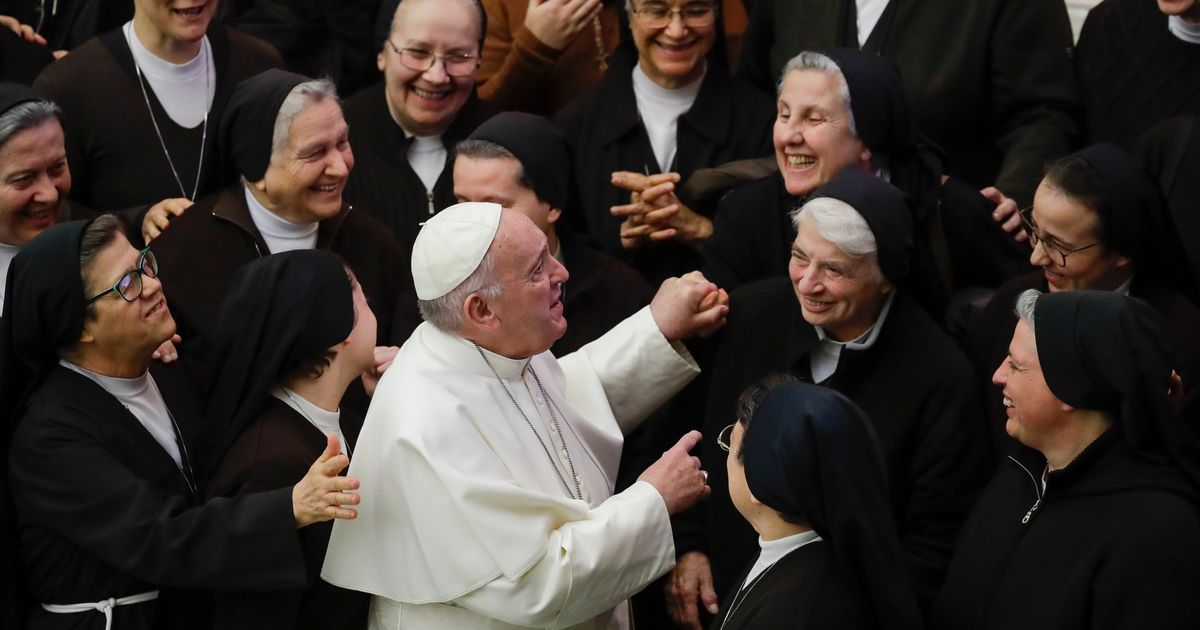
The winds of change are finally blowing through the hallowed halls of the Vatican, as Pope Francis has made a groundbreaking decision that has rippled through the heart of institutionalized patriarchy. The appointment of the first woman in a managerial role within the Vatican Secretariat of State is a monumental shift. This move is not just a mere accolade; it’s a reckoning. The Catholic Church, a bastion of age-old doctrines and traditions, is now facing the pressing question of gender equality within its own ranks. Feminism has long argued for a reevaluation of societal structures, and this appointment signifies a monumental step towards that reevaluation within one of the world’s oldest institutions. What does this new leadership position mean for feminism, both within and beyond the Catholic framework?
The patriarchal underpinnings of the Church cannot be overstated. For centuries, women have played supportive roles while power has been firmly held in male hands. Has the time finally come to dismantle these archaic hierarchies? The appointment represents more than just a numerical milestone; it symbolizes the crumbling of an outdated model of governance that has historically marginalized women’s voices. In considering the implications of this historic appointment, we delve into feminist theory, societal reflections, and the potent relevance of this change in the broader struggle for gender equality.
Breaking Down Barriers: The Significance of Representation
The significance of representation cannot be overstated, particularly within the sphere of religious leadership. The Catholic Church has long operated under the aegis of male authority, rendering women’s contributions largely invisible. The introduction of a woman into a managerial role is akin to an earthquake that shakes the foundations of this male-centric hierarchy. It challenges the long-held belief that women are unfit for leadership roles within religious contexts, dismantling the stigma associated with women’s capabilities in governance.
The ramifications of this appointment extend far beyond the Vatican’s walls. Legions of Catholic women look on with a mixture of hope and skepticism. Could this development lead to a more inclusive Church, one that acknowledges the transformative power of female perspectives? From a feminist standpoint, the appointment is not merely a checkmark on a diversity checklist; it challenges the deeply entrenched gender norms that have stifled women’s potential for centuries.
Moreover, the act of elevating a woman to this significant role invites a critical dialogue regarding the Church’s historical narrative. What does it mean to have a woman managing one of the most powerful institutions in the world? It disrupts the flow of patriarchal storytelling that has dominated religious narratives for millennia. This moment can serve as an impetus for women to reclaim agency within the Church, pushing for a discourse that centers on equality rather than subservience.
The Intersection of Faith and Feminism
To analyze this appointment fully, we must consider the intersection of faith and feminism. Traditionally, religion has been portrayed as a conservative force opposing feminist values, often citing scripture as justification for gender inequality. However, the recent appointment marks a radical contradiction to this view. It opens the door for a reinterpretation of doctrines and texts through a feminist lens, further bridging the gap between faith and feminist activism.
There’s potential for a new doctrine of empowerment to emerge—a space where women can occupy positions of leadership, thereby reflecting the intrinsic equality espoused in many religious texts. This catalyst for change can encourage discourse within the Church and provoke much-needed conversations about gender roles and the interpretation of scripture.
Build the Foundation for Empowering Future Generations
The historical ramifications of this appointment cannot be discussed without acknowledging its potential to inspire future generations. Young women observing these changes may perceive the Church not as a restrictive entity, but as a space ripe for transformation and affirmation of their roles as leaders.
The educational systems within religious communities must adapt and evolve alongside these changes. Curricula should incorporate teachings that celebrate female leadership, empowering girls to pursue paths they previously deemed unattainable. The shift in representation at an institutional level can potentially trickle down to local communities, fostering an environment of mentorship and growth for young women.
This appointment is an opportunity to reassess the social constructions surrounding gender roles, especially within religious communities. Are we ready to listen to women’s voices unconditionally? Are we prepared to challenge the narratives that have long relegated women to the background?
Pushback and Challenges: Hurdles Ahead
Moreover, this appointment could provoke a backlash from more conservative factions, who view the empowerment of women as a direct threat to their ideologies. Feminism has long grappled with such backlash from patriarchal institutions, and the Church is no different. The road to progressive change is fraught with challenges, emphasizing the need for solidarity, resilience, and collective advocacy.
Recognizing that resistance is imminent allows for strategic foresight. Advocates must prepare to counteract regressive narratives and build a coalition of support that includes both women and progressive men who believe in the importance of gender equality.
The Unfolding Story: A Moment, Not an End
The journey may be long, with many battles yet to fight, but every step forward is a victory etched in the annals of feminist history. Supporters of this evolution must remain vigilant and proactive, transforming this moment into a robust movement that fundamentally redefines the interaction between gender and faith.
This transformation will not only elucidate the ineffable qualities of women’s leadership in religious circles but will also inspire a global movement that advocates for gender equality everywhere. The future is bright for women in leadership roles, and this appointment is merely the first flicker of what can be an illuminating path forward.