

















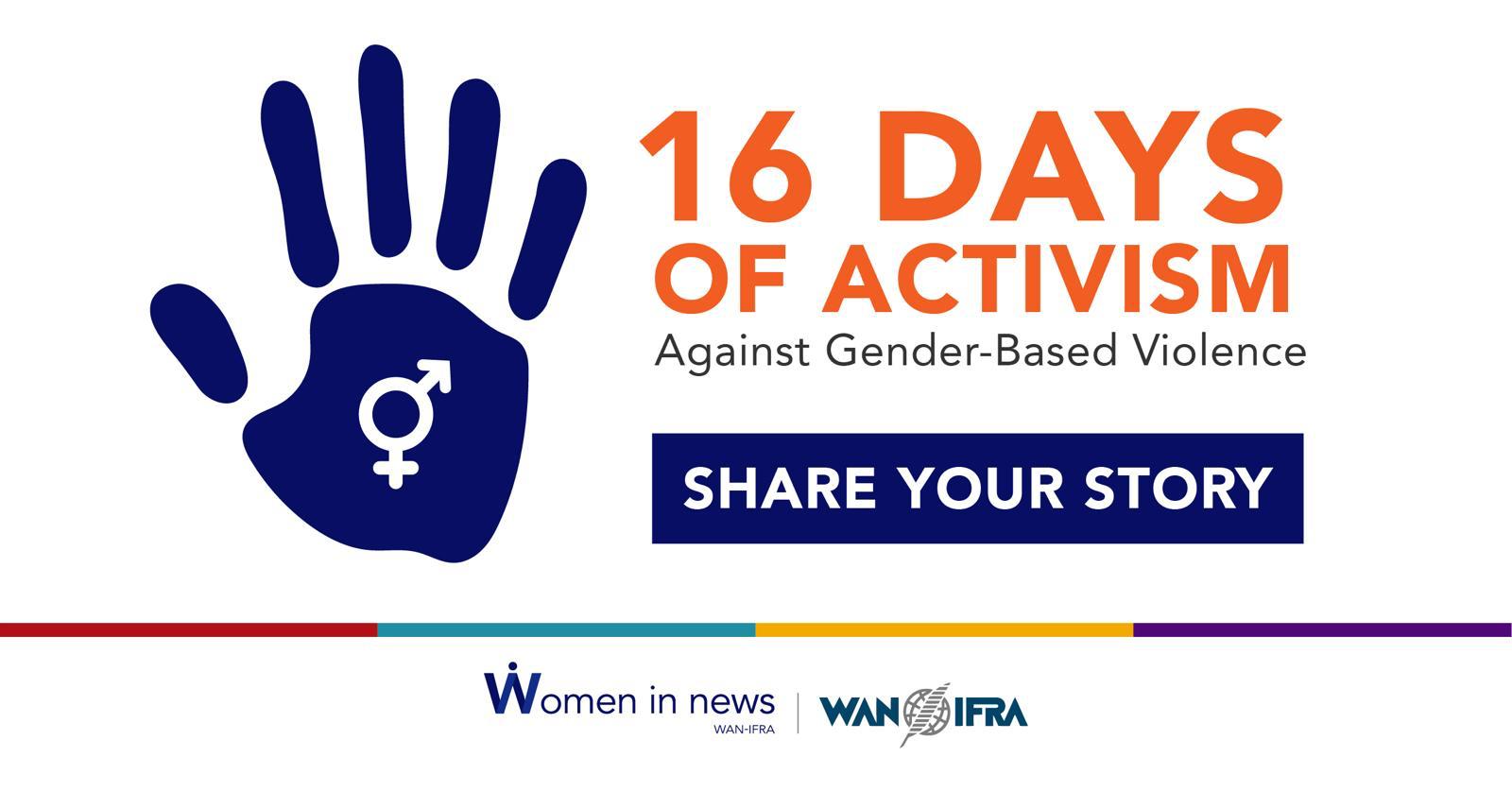
As the world spins on its axis, an insidious specter lurks in the shadows—gender-based violence. For far too long, this pervasive issue remained veiled in silence, yet the time has come to sound the alarm. The 16 Days of Activism Against Gender-Based Violence serve not just as a rallying call but as a clarion statement: Enough is enough. It’s high time we dissect this global epidemic through a feminist lens, and more crucially, infuse our activism with the fervor and resilience of the youth. This isn’t just a women’s battle; it’s a collective revolution demanding our righteous indignation.
FMF (Feminist Movement for Freedom) is throwing its weight behind this global movement, igniting a fire that must engulf complacency and ignite action. We want to engage a younger audience, to arm them with knowledge, rage, and passion. In an age where social media and societal influence intertwine with activism, the stage is set for the voices of the youth to reverberate in unison against the blight of gender-based violence.
Let’s dissect this harrowing phenomenon—unpacking its origins, rippling effects, and the imperative to become vocal advocates for change.
Understanding the Roots of Gender-Based Violence
Gender-based violence is not just a women’s issue; it’s entwined deeply within the fabric of society. This malady burgeons from archaic norms that pigeonhole gender concepts, fostering toxic masculinity and submission. Let’s dive deep into the genesis of this abhorrent cycle.
Underpinning the prevalence of gender-based violence is a patriarchal structure that has reigned for centuries. This entrenched system thrives on the manipulation and distortion of power dynamics. All too often, traditional notions of masculinity exalt strength and domination while belittling vulnerability and compassion. Young men continue to be socialized into these stereotypical roles, often unaware that they are bearing the torch of an ideology that threatens us all. To dismantle this violence, we must challenge these ingrained perceptions. Question everything—from how we interact with our peers to the media narratives that normalize misogyny.
Moreover, intersectionality plays a crucial role in understanding gender-based violence. The layers of discrimination faced by marginalized groups—women of color, LGBTQ+ individuals, and those with disabilities—highlight the deeply interconnected fabric of oppression. It’s essential to champion an inclusive narrative that amplifies these voices, showcasing that the fight against gender-based violence must transcend mere rhetoric. The cultural, economic, and legal structures in place often exacerbate the vulnerability of these groups, making it imperative for youth activists to embrace a holistic approach to feminism.
The Ripple Effects: Shattering Lives and Communities
The harsh reality is that gender-based violence has devastating effects far beyond the individual. Its ramifications extend into the heart of communities and nations. According to the World Health Organization, an estimated one in three women globally experience physical or sexual violence in their lifetime. That statistic is staggering. These aren’t just numbers; they represent friends, sisters, mothers, and daughters, lives disrupted and dreams deferred. The trauma inflicted extends through generations, manifesting as psychological aftershocks that perpetuate the cycle of abuse.
In an age of social media, the repercussions have become even more pervasive. Survivors of gender-based violence often grapple with a public lynching of their character, subjected to unwarranted scrutiny and victim-blaming. “What were you wearing?” “Why didn’t you just leave?” The finger-pointing is relentless. As feminists, it becomes imperative to arm ourselves with the language of prevention—a discourse that shifts focus from victim blame to accountability, from silence to the celebration of resilience and survival.
Moreover, gender-based violence doesn’t exist in isolation; its impacts reverberate through economic systems. Domestic violence often leads to the financial insolvency of victims—an economic stranglehold that confines them to attack. Contributing to this societal blight is the gender pay gap, which casts a long shadow, hindering women’s autonomy and freedom. Economic empowerment is a crucial pillar of solving this issue, and young advocates must grasp this truth wholeheartedly.
Mobilizing for Change: The Role of Youth Activism
Enter the youth. We live in an era characterized not only by technological advancements but also by a blossoming generation eager for change—armed with tools and platforms that facilitate dialogue, mobilization, and ultimately, change. Activism in today’s world is profoundly different from previous generations. Hashtags become battle cries, tweets morph into protests, and friendships transform into coalitions. With every post shared, a message is sent: gender-based violence can no longer be ignored.
The onus lies on the youth to harness social media’s robust potential to spread awareness and cultivate empathy. Campaigns like #MeToo and #TimesUp show us that social media can serve as a megaphone for the voiceless. Young feminists must not await permission; they must seize platforms to articulate their frustrations and elevate movements. Infusing activism with creativity—be it through art, music, or innovative digital content—can resonate deeply with peers, effectively bridging divides and sparking conversations that there’s no longer room to avoid.
In the quest for change, solidarity is paramount. Encourage allyship across genders; create space for dialogue and intersectionality in activism. This isn’t a battle of binaries; it’s an inclusive campaign to uproot a culture that fosters violence and discrimination. Joining forces with men who advocate for gender equality—who recognize that toxic masculinity confines them too—can forge a robust front against violence.
Seeking Legislative Change: The Power of Policy
While grassroots activism is crucial in the fight against gender-based violence, systemic change can only occur through legislative reform. Policies must be reflective of the realities faced by the populace. When young activists arm themselves with established legal frameworks and advocate for their reforms, they wield unparalleled influence over how societies operate.
Education is paramount in this respect. Organizing campaigns to educate not only peers but also policymakers about the implications of gender-based violence is crucial. Push for laws that address consent, harassment, and victim support, ensuring that they stem from a comprehensive sexual education framework. Make noise around the insufficiency of current measures—yearn for accountability. By advocating for a legal tapestry that recognizes and protects victims’ rights, future activism can be bolstered with legislative backing.
The Future is Ours: Taking the Pledge
The 16 Days of Activism is not merely a time for awareness; it’s an invitation to pledge concrete action, to live and breathe feminism, to dismantle the chains of gender-based violence that weigh heavily on our collective conscience. We can gather in solidarity, echoing the voices of those who have come before us and those yet to be heard. Let every corner of the globe vibrate with the fervency of justice and equality. As the future generation of feminists, seize the moment, channel your outrage into activism, and forge a world where gender-based violence is a relic of the past.
In this rallying cry, we find not just hope but also the conviction that we will forge a world unmarred by gender-based violence. Every voice matters, every action counts—so let’s transform this momentum into unstoppable action. This fight is not just a banner we wave; it’s the very fabric of our being. The future is indeed ours to shape; let’s make it a phenomenal one.