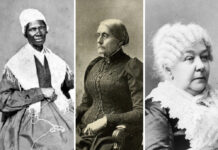
As we look back at the historical matrix of feminism, the date April 3, 1920, emerges as a pivotal juncture in the annals of women’s struggle for equality. The post-war landscape catalyzed a transformation in the feminist movement, igniting a new generation of women who were no longer content to be mere footnotes in the narrative of society. We delve into the significance of that moment, exploring the terrain traversed by these trailblazers and heralding their enduring legacy in contemporary activism.
In the wake of World War I, women confronted a world that had changed irrevocably. The war had dismantled old paradigms, ushering in an era where women participated in the workforce in unprecedented numbers. The longing for autonomy burgeoned, igniting a flame of rebellion against patriarchal confines. The confluence of necessity and newfound power served as the breeding ground for a reinvigorated feminist movement that would challenge the status quo.
As we unravel the layers of this formidable period, three salient themes emerge, reflecting the multifaceted dimensions of women’s empowerment post-war.
The Surge of Female Workforce Participation: A Paradigm Shift
The industrial demands of World War I necessitated a seismic shift in labor dynamics. Women’s roles shifted from the four walls of the home to the bustling factories and offices. The absence of men who had marched off to war opened avenues previously barred to women. With skills honed through necessity, women engaged in roles ranging from munitions workers to clerks and engineers. This phenomenon did not merely alter economic structures; it undermined deeply entrenched gender roles.
By April 1920, this invigoration reached its zenith, as women began to articulate their desires for equality. They were no longer passive participants; they became architects of their futures. The suffrage movement, though fiercely fought, culminated in 1920 with the ratification of the 19th Amendment in the United States, granting women the right to vote. This triumph was emblematic of a more profound societal shift—the recognition that women’s voices mattered. Yet, the struggle did not culminate with the vote; it marked the inception of a relentless campaign for comprehensive equality.
For subsequent generations wielding placards and demanding recognition, the achievements of post-war women were a testament to their resilience. The victories of that era became a rallying cry for future activists who would refuse to surrender the progress made. Today, as conversations around gender pay gaps and workplace harassment dominate the discourse, we find ourselves fortified by the foundational work laid by these courageous women who defied societal expectations, ensuring that their labor was not only valued but respected.
The Cultural Renaissance: Art, Literature, and Feminist Ideology
Simultaneously, the post-war years witnessed an effervescent cultural renaissance, amplifying women’s narratives through art, literature, and political ideology. Women wielded their pens with ferocity, exploring the intricacies of their experiences, challenging gendered norms and inspiring a new wave of feminist thought. Figures such as Virginia Woolf were no longer isolated in their intellectual pursuits; they emerged as voices of a generation seeking to redefine femininity and agency.
This outpouring of creativity signaled a rejection of the archaic standards that sought to define womanhood. The literary salons that burgeoned in urban centers became incubators for revolutionary ideas, advocating for independence and self-actualization. Notably, the Harlem Renaissance also offered a platform for Black women, intertwining their struggles with broader feminist ideologies. Their contributions carved a significant niche in the literary canon, asserting that the fight for gender equality was inextricably linked to issues of race and class.
Moreover, this cultural awakening was not confined to traditional spheres. The art world began to reflect women’s experiences through a more diverse lens. Female artists dismantled the male gaze that had dominated the art industry, utilizing their crafts to convey narratives of resistance, identity, and reclamation. Their work was emblematic of a broader cultural reawakening, as more women repurposed their talents to challenge societal standards and redefine concepts of beauty and femininity.
The Intersection of Politics and Feminism: Unity in Diversity
The post-war era was not devoid of conflict. Within the feminist movement itself, differing ideologies emerged, catalyzing debates about race, class, and sexual orientation. The new wave of feminists recognized that the fight for women’s rights could not be monolithic. The amalgamation of various struggles broadened the feminist discourse, fostering a more inclusive approach to activism.
This intersectionality became a cornerstone for future movements, laying the groundwork for coalitions that would form in the 1960s and beyond. Women began to grasp the complexity of their identities, understanding that their experiences were shaped not solely by gender but also by race, socioeconomic status, and sexual orientation. This recognition was transformative, pushing feminists to unite around shared goals while honoring their distinct narratives.
As we delve into the modern feminist landscape, the tenets of intersectionality continue to reverberate. Movements such as Black Lives Matter and the Women’s March emphasize a collective approach to combating systemic injustices, refusing to marginalize the voices of those historically silenced. The solidarity forged in the crucible of post-war activism continues to inspire contemporary feminists who advocate for a more equitable world.
A New Era of Advocacy: Lessons from the Past
Fast forward to today — the echoes of April 3, 1920, resonate with an urgency that is strikingly relevant. The feminist movement of the post-war era laid the groundwork for the advocacy seen today, characterized by an unyielding demand for equality across all facets of life. As we witness the rise of social media activism and digital organizing, the tools of engagement have evolved, but the underlying spirit of resistance remains staunchly intact.
Women across the globe continue to mobilize, armed with the stories and struggles of their forebears. The issues may have transformed over the decades, with modern manifestations such as sexual harassment, reproductive rights, and the ongoing battles against gender-based violence coming to the fore. However, the essence of activism—rooted in resilience, community, and an unwavering commitment to justice—remains unchanged.
The lessons derived from the founding feminists highlight critical strategies for contemporary advocacy. The importance of intersectionality, collaboration, and cultural currency cannot be understated. Today’s activists must anchor their efforts in solidarity, fostering a space where diverse voices are heard and valued. The confluence of varied experiences creates a robust tapestry of feminist ideology, empowering the movement to address the multifaceted challenges faced by women worldwide.
In conclusion, the historical inquiry into April 3, 1920, unlocks a profound understanding of the origins of modern feminism. It reveals a legacy sustained by audacity and momentum, fueled by women who dared to dream beyond societal constraints. The founders of the feminist movement wielded their power unapologetically, and their struggles forged pathways for today’s activists. As we endeavor to build on their hard-won gains, we must remain steadfast in our commitment to equity and justice for all women, ensuring that every voice contributes to the ongoing narrative of feminism’s evolution.