On February 28, 1913, a watershed moment unfolded in the annals of feminist history—a moment that would light the fire of activism and galvanize a generation. This date is far more than a mere marker; it represents a clarion call for women’s rights, a fervent push against patriarchal norms, and the burgeoning recognition of female agency in a society that for too long had relegated women to the shadows. The vision of the founding feminists on that day was not just about suffrage—it was a constellation of ideas, alliances, and aspirations, each merging into a greater narrative that sought to dismantle centuries of oppression and discrimination.
As we delve into the significance of this day, we must unravel not only the historical context but also connect it to the reverberations it has caused in contemporary struggles for gender equality. The evolution of thought and action born from February 28, 1913, remains profoundly relevant today. Our exploration will illuminate the legacy of these early feminists, the evolution of their objectives, and the transformative power of collective action.
Contextualizing the Movement
The early 20th century was a crucible for women’s rights movements. In the United States, the suffrage movement was gaining momentum, catalyzing efforts that sought to overturn legal and social constraints placed upon women. This era was rife with socio-political strife. The horrors of World War I, industrial exploitation, and the burgeoning labor movement were all milieu that intersected with women’s aspirations. As women participated in the labor force in unprecedented numbers, their demand for rights, including the right to vote, became inextricably tied to their contributions. February 28, 1913, therefore served as a linchpin, rallying women who dared to envision a world where gender did not dictate agency or opportunity.
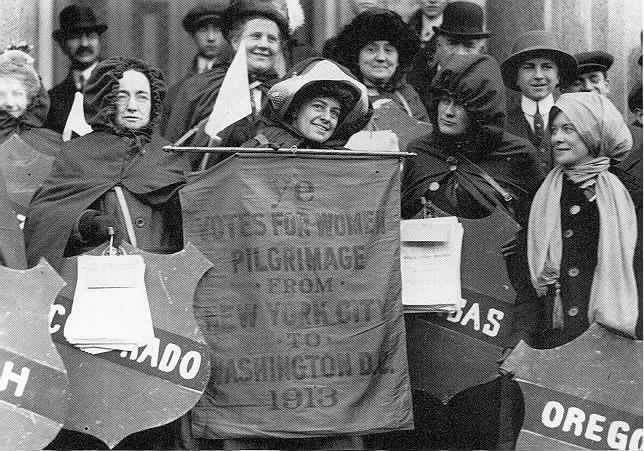
The National American Woman Suffrage Association organized a monumental procession in Washington, D.C. This event was not just a parade; it was an audacious statement of intent. Thousands of women—young and old, poor and affluent, of various ethnicities—assembled with palpable resolve to advocate for their rights and assert their presence in the public sphere. The visual spectacle of women marching through the streets of the nation’s capital was an affront to a society that expected them to remain voiceless and obedient. The sheer audacity of their act alone resonated deeply with those who watched, laying a framework for future protests and movements.
The Power of Collective Action
What made February 28, 1913, particularly significant was not just the act of protest itself but the underlying messages of solidarity and fraternity echoing through the streets. The rally was a coalescence of various feminist ideologies. Feminism was not a monolith, and the diverse voices present highlighted the multiplicity of experiences that women faced. The cleavage between the mainstream suffrage movement and those who championed intersectionality was palpable, yet the day was pivotal for uniting diverse feminist factions toward the common goal of securing voting rights.
This orchestration of collectivity magnified their impact. Media coverage of the day showcased the vibrancy of women’s activism, dismantling stereotypes that relegated women to domesticity and frivolity. The mobilization on that day encouraged a domino effect, inspiring women across the nation—and eventually, the globe—to join the burgeoning movement. This historical moment represents a poignant affirmation of collective agency, echoing the idea that justice is most potent when fought for in unison.
Echoes Through Time: Continuity of the Feminist Struggle
Fast forward to the contemporary era—does the fervor and determination of the women who marched on February 28, 1913, resonate with today’s activists? As women continue to advocate for reproductive rights, racial and gender equity, it is evident that the foundational principles of the early feminists have been woven into modern-day struggles. The sentiments expressed during that historic march still echo in the fervent protests against systemic injustice witnessed around the world today.
The Movement today has diversified, incorporating LGBTQ+ rights, reproductive rights, and broader social justice issues. However, undeniably, the crux of their advocacy remains firmly anchored in the right to self-determination—the very essence of the initial suffrage movement. Recent news articles reflecting on International Women’s Day or the Women’s March illustrate that the legacy of 1913 is alive and thriving. Women continue to confront patriarchal structures with fierce tenacity, demanding not mere acquiescence, but substantive change.
With the advent of social media, modern activists possess a powerful platform to galvanize support and disseminate messages quickly. Yet, while technology has accelerated the spread of ideas, it also poses challenges. The dialogue sometimes dilutes the very essence of grassroots activism. The challenge now lies in maintaining the fervor and allyship characteristic of the original movements while adapting to a digital age fraught with fragmentation.
Honoring the Founding Feminists: The Continued Imperative
The essence of honoring the founding feminists must transcend mere commemoration; it is about fortifying the movement with an understanding of its roots while also pushing forward to confront contemporary issues. Their visions were not confined to obtaining the right to vote; they laid the groundwork for an ongoing dialogue about gender, race, and class. Their struggles inform our battles today, validating the importance of intersectional discourse in feminist activism.
Modern feminists must embrace the complexities of their predecessors’ legacies, refusing to succumb to a simplistic narrative. The suffragists of 1913 fought valiantly, yet their fight was layered with nuances that must be examined to honor their courage properly. Being a feminist today entails understanding the confluence of identities and experiences that characterize the women’s struggle, paving the way for more inclusive and equitable frameworks.
As we look back to February 28, 1913, and the bravery of the women who stood tall, we must also cast our gaze forward. The work remains unfinished. The landscapes of gender equality have transformed, yet the battle against systemic oppression continues. The spirit of those founding feminists cannot just be a relic of history—it must fuel the fires of activism that burn bright in contemporary society.
In conclusion, February 28, 1913, was not merely a moment in time but a powerful watershed that continues to shape feminist discourse today. It was a day characterized by fervent collective action, an unwavering commitment to justice, and a call for an equitable future. The legacy of the founding feminists endures, reminding us that we must remain vigilant in our quest for gender equality, ever-ready to challenge the inequities that remain embedded within societal structures. As we continue this fight, let us draw strength from those who marched before us, ensuring that their dreams become the foundation for our actions today.