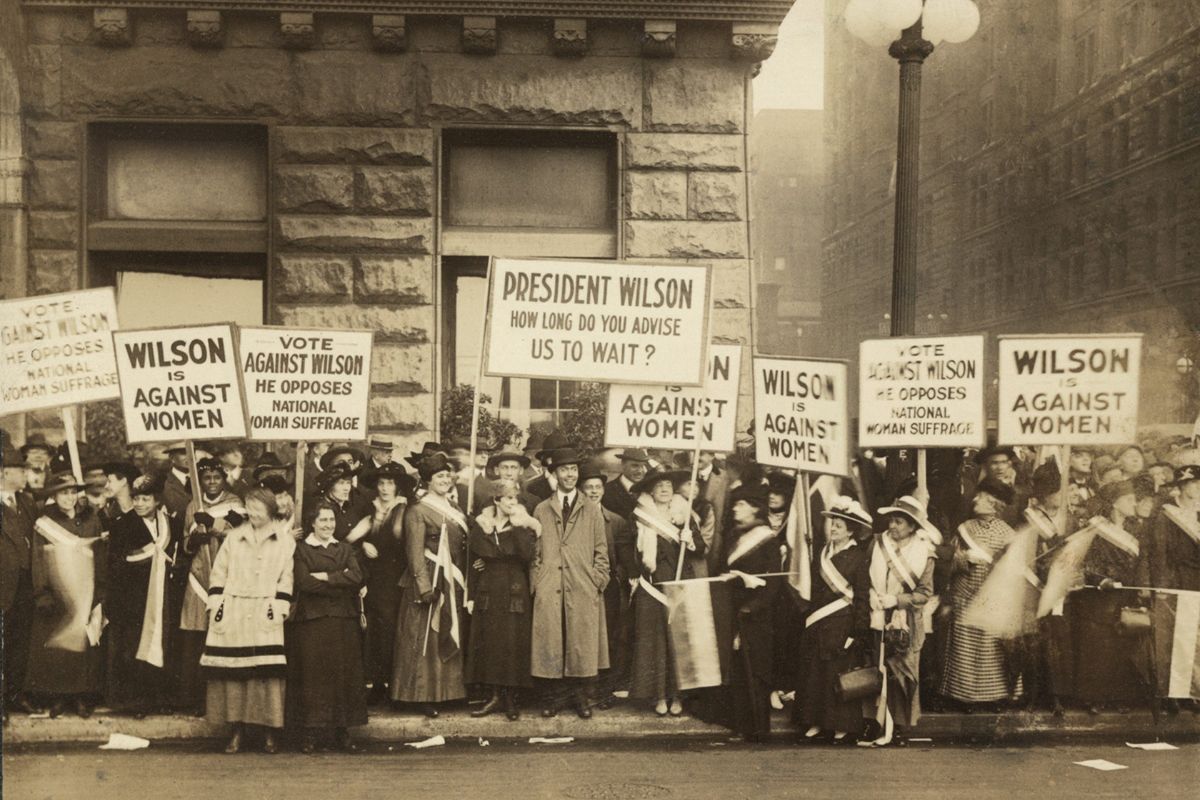
January 30, 1917, marks an indelible date in the annals of feminist history. It was a time when women were poised on the precipice of monumental change. The battlefield was rife with injustice, and the women of the early 20th century were not merely passive observers; they were warriors demanding equality, suffrage, and their rightful place in society. This article explores the vigils, the protests, and the undying spirit of unity that defined a pivotal moment in the feminist movement.
One cannot dismiss the significance of January 30 as a catalyst in the ongoing saga of feminism. The architects of this movement were not solitary figures but a collective of trailblazers who transcended geographical and ideological boundaries. These founding feminists were equipped with the fervor of their convictions and an unshakeable alliance with the principles of justice and equity. Their voices still echo, reminding modern activists of the importance of solidarity and purpose.
Feminism was not birthed in a vacuum; it came alive amidst an ecosystem of oppression. The feminist calls reverberated through the streets and parlors of cities like Washington, London, and Paris. Women marched, protested, and organized with a singular vision: emancipation from the shackles of patriarchy. Their tenacity transformed what it meant to challenge the status quo, and January 30, 1917, symbolizes this defiant posture illustrated through various movements across the globe.
The role of intersectionality in modern feminism cannot be overstated. There is a necessity to acknowledge the diverse experiences of women, especially when viewed through the lens of race, class, and sexual orientation. This is where the lessons from early feminists can be illuminating. The suffragette movement, while primarily focused on the right to vote, also unveiled a complex web of societal disparities that intersected with gender. It is imperative to learn from this complexity and ensure that modern feminism encompasses all voices—those marginalized and silenced through decades of systemic oppression.
The stories of those early feminists, like Alice Paul, who orchestrated protests, and Susan B. Anthony, who sparked national debates, serve as a testament to what can be achieved through collective action. Their commitment to resilience had profound implications, feeding the root of feminism that thrives today. The question then arises: what have we learned from their battles? Have we moved beyond the mere right to vote and begun tackling the ever-evolving challenges faced by women worldwide?
The emergence of the Women’s Marches in recent times can be traced back to the spirits of January 30, 1917. These modern gatherings are not isolated incidents but continuations of a history steeped in resilience and unity. Women today take to the streets not just for suffrage, but to challenge wages, reproductive rights, and a slew of systemic injustices that continue to permeate society. The resurgence of activism indicates that the fire kindled by early feminists remains alive, burning bright against the backdrop of contemporary struggles.
Implicit in the spirit of protest is the necessary rhetoric surrounding women’s rights. As those of the past did, contemporary activists often employ provocative tools of language and symbolism to stir discourse—both on the streets and in legislative halls. There exists a collection of urgent issues: the gender pay gap, domestic violence, and access to healthcare—issues rooted deeply within our societal fabric. However, while the depth of the struggle is profound, the response must match that intensity; anything less is an affront to those inspiring women who preceded us.
Love, camaraderie, and resolve became the manifestos of these early feminists, uniting them in ways that society had failed to do. The significance of coming together under shared beliefs cannot diminish. Feminism is no longer solely a women’s issue; it is a societal concern that beckons all genders to partake in the solution.
The reality is that the issues we confront today resonate with what early feminists fought against. The fight is multifaceted, encompassing not just gender-based disparities but extending to cultural, racial, and socioeconomic inequities. The question arises: are we truly united in purpose or are we fragmented, echoing divisions that have plagued feminism historically?
So often, the corporate world tries to co-opt feminism under the guise of “empowerment.” Glossy campaigns celebrate women’s achievements while deftly sidestepping the structural changes necessary for true equity. This commercialization of feminism, while enticing, dilutes the essence of what the movement truly stands for. The history of feminism was born from strife, bruises, and battles fought in the shadows; a revival of those original motivations is critical to achieving meaningful change.
It is essential for the modern feminist movement to take heed of lessons from the past. The unity witnessed on January 30, 1917, comes alive each time women and allies rally for a cause. The marchers of yore understood the power of collective action, a principle that resonates even more today due to the increasing need for intersectional solidarity. This united front benefits not only women but society as a whole, uprooting the systemic barriers that perpetuate inequality.
As we delve into the rhetoric of protest, the dialogue becomes increasingly crucial. Feminism isn’t merely about winning the right to vote; it is about challenging every oppressive system ingrained in our societal framework. This voice—when raised collectively—can dismantle obstacles of privilege and create a foundation for a more equitable future.
In closing, the echoes of January 30, 1917, are not mere artifacts of history. They are resonant calls to action that implore modern feminists to rise in solidarity, embracing the complexities of gender, race, and class in their advocacy. The struggle is ongoing, and while significant progress has been made, vigilance is crucial. Today’s feminists are called not only to remember the past but to forge a future that is inclusive, empowered, and unwavering in its pursuit of equality. The future of feminism lies in recognizing the strength found in unity, purpose, and a shared vision for a world where justice is not just an aspiration but a reality for all.