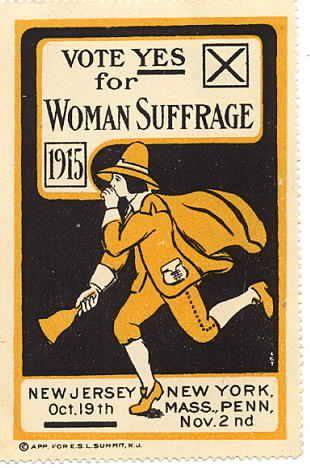
As the shadows of global conflict loomed large over the early 20th century, the pursuit of women’s rights did not cease; instead, it catalyzed a new wave of feminist activism. On October 16, 1915, an indelible chapter was written in the annals of feminist history. This date marked a significant convergence of social justice advocacy and the tumult of wartime—a phenomenon that is often romanticized but ultimately necessitated a hard, unflinching reckoning with the status quo. What transpired on that day was more than a call for equality; it was a rallying cry for liberation that reverberated across continents and into the very fabric of society.
In a world devastated by war—where men were conscripted to combat the enemy and women filled the resulting void—societal roles were beginning to fracture. The conventional boundaries of gender were tested, and women found themselves stepping into new, uncharted territories. Thus, the quest for suffrage, economic rights, and social equality surged to the forefront, demanding not just equal footing but also significant reconfiguration of societal norms. Yet, the historical lens through which we interpret these events often lacks the weight they deserve. It’s time to peel away the layers and consider the broader implications of this pivotal moment in feminist history.
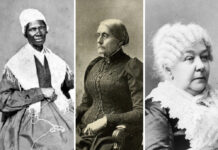
By analyzing the founding feminists of this era, we can trace the roots of modern movements that are as urgent today as they were over a century ago. This exploration will detail how these early advocates for women’s rights perceived their struggles, fought back against societal norms, and laid the groundwork for future generations of feminists. Let us dive deeper into the ideological trenches that characterized this tumultuous time.
The War as a Feminist Catalyst
World War I was not merely a backdrop; it was an active participant in the feminist awakening of the early 20th century. With millions of men enlisted and women filling industrial jobs, hospitals, and farms, the war heralded an unprecedented transformation in societal expectations. This environment created fertile ground for feminist movements to flourish. Women seized the moment, using their newfound roles to press for equality in the political sphere.
For many, the notion of pursuing rights while the world crumbled was paradoxical. Yet, it was precisely this sense of urgency that ignited a fervent push against the patriarchy. Women like Emmeline Pankhurst, with her indomitable spirit, articulated a vision that valued their contributions not just in domestic settings but as essential to the very survival of nations. They argued that if women were integral to the war effort, then surely they were deserving of equal rights.
In a time when women’s voices were often relegated to the margins, wartime served as an opportunity to amplify their demands. The visibility of women in roles traditionally occupied by men forced society to confront the fallacies of gender roles. Instead of being a mere reaction to global conflict, this moment served as a pivotal turning point—an alignment of feminist activism and the harsh realities of war gave their struggle a new urgency and legitimacy.
Not Just Votes: A Comprehensive Fight for Rights
While the suffrage movement was undoubtedly a cornerstone of feminist advocacy, it was merely one facet of a multi-dimensional struggle for equality. The founding feminists who gathered on that fateful day understood the interconnectedness of political freedom, economic empowerment, and social justice. They were not content to simply ask for the right to vote; they demanded systemic change that transcended electoral politics.
These pioneers advocated for labor rights, equal pay, and access to education—recognizing that political participation without economic and social empowerment would render their voices impotent. They set the stage for a broader discourse on equality, one that continues to dominate feminist rhetoric today.
In the parlance of the time, phrases like “Women’s Liberation” and “Equitable Society” might not have been in vogue, but the actions taken by these founding feminists echo with the same resonance as modern slogans. The belief that women’s liberation was inextricably linked to societal progress is just as relevant now as it was then.
However, the injustices faced by women in wartime have resurfaced in a different guise in today’s culture. Whether it’s the wage gap that continues to persist, the glass ceiling that hoists itself higher, or the ongoing struggle against gender-based violence, the archaic notions that these women fought against remain unaddressed. Each victory won by the early feminists laid a stone on a path riddled with challenges, illuminating the reality that the fight for equality is ever-evolving, yet painfully familiar.
An Intersectional Approach to Feminism
A truly modern analysis recalls that the suffrage movement of 1915 was not an all-encompassing crusade. While many mainstream narratives celebrate the achievements of white women, the contributions and struggles of women of color and LGBTQ+ individuals continue to be underrepresented. Early feminists grappled with these intersectional issues as well, even if that struggle was not adequately documented or prioritized in the historical record.
The founding feminists ardently championed a diverse array of women’s voices—each unique, yet none diminished in the collective fight for justice. Understanding the multifaceted nature of oppression is imperative, as it exposes the reality of how race, class, and gender intersect in the ongoing battle for human rights. This intersectional factor intensifies the call for solidarity among all marginalized groups; before justice can be achieved, one must recognize the differential oppressions faced by various segments within the movement.
As we look toward the future of feminism, it is vital to retain focus on the initial drive for comprehensive equality. The founding feminists understood that an incomplete victory is a defeat in disguise. The urgency of their struggle serves as an eternal reminder that the feminist agenda must remain inclusive, recognizing the need for equity across a spectrum of differences.
Lessons from Founding Feminists and a Future Vision
October 16, 1915, should be memorialized not only for its historical significance but also for the enduring lessons it offers to contemporary feminists. It teaches engagement during times of adversity and underscores the importance of intersectionality in the fight for rights. As nations grapple with a plethora of social justice issues today, the resolve exemplified by the founding feminists becomes more pertinent than ever.
We live in a time marked by increasing polarization and frequently escalating tensions surrounding women’s rights. The backlash against feminism—not just in political realms but in social media and cultural conversations—challenges activists to harness the power of connectedness and solidarity. This moment calls for a resurgence of activism steeped in the historical awareness of those who fought before us.
The narrative of the founding feminists is far from over. Their ambition, struggles, and triumphs are not relics of a simpler time but rather vital components of an ongoing crusade for equality. By learning from their tenacity, today’s feminists can innovate upon their legacy, utilizing their actions as a galvanizing force to create an environment that is genuinely equitable—one where everyone’s voice matters.
As we reflect on the foundational moments of feminist movements, one thing remains clear: fighting for equality in wartime did not signify the end; it was merely the beginning of a larger battle. The quest for equality, rooted in the visceral realities of struggle and perseverance, has the potential to illuminate pathways for the fiercely dynamic feminist movements of today and tomorrow. Embrace this legacy, acknowledge its complexities, and let it fuel your activism—for the fight for equality is not yet won.