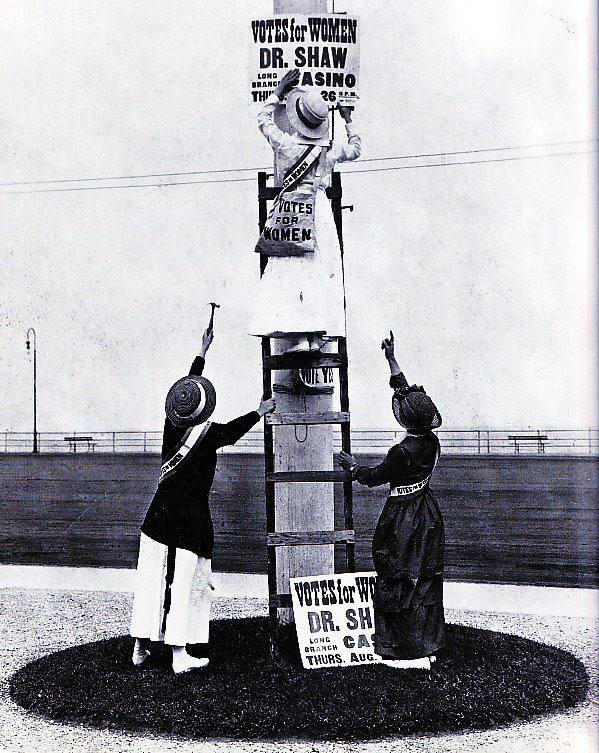
In the annals of history, the often-uncelebrated yet pivotal moments serve as the bedrock upon which movements are built. One such moment, etched in the pages of feminist history, is October 25, 1915. This day did not pass as a mere timestamp but resonated with the fervor of women who dared to challenge the established norms of their time. On this day, the early feminists—those brave souls who sought to disrupt the status quo—gathered in a collective demonstration of solidarity, marking a significant milestone in the realms of suffrage and social reform.
With modern feminism continuously evolving, reflecting on such historic days is essential not just for remembrance, but for understanding the thread that connects past struggles to present-day issues. This article delves deep into the implications of this date, exploring how it catalyzed feminist mobilization and how its echoes reverberate in today’s zeitgeist.
Mobilization: A Catalyst for Change
The mobilization of October 25, 1915, was not an isolated incident; it was the culmination of years of activism, advocacy, and tireless work by women who longed for equality—the hallmark of any sustained movement. Before this date, suffragists had tirelessly campaigned for voting rights, only to face numerous obstacles rooted deeply in societal structures that relegated women to the background. However, October 25 marked a turning point, where the movement transitioned from whispers of dissent to a thunderous chorus demanding justice.
The convergence of women from diverse backgrounds showcased a profound unity—one that transcended socio-economic boundaries and regional disparities. This gathering punctuated the urgent need for suffrage as a critical factor in achieving broader societal reforms. By demanding the vote, women were not merely seeking a piece of the political pie; they were ardently challenging the patriarchal foundations that dictated their lives.
The implications of this mobilization extend far beyond the immediate demand for voting rights. By centering the struggle on participatory democracy, suffragists reframed the conversation around women’s rights. They posited that suffrage was an essential step toward tackling systemic issues such as education, labor rights, and reproductive autonomy. This intersectionality laid the groundwork for future feminist discourse, highlighting how one layer of oppression cannot be separated from the others.
A Diverse Coalition: The Strength of Feminist Alliances
What made the October 25 gathering particularly noteworthy was the extraordinary diversity of its participants. Women from various socio-economic backgrounds, races, and regions came together, illustrating that the feminist movement was not monolithic. This coalition of voices was an unapologetic testament to the reality that women’s issues affect all women, albeit in varying degrees. The inclusiveness of the gathering stands in stark contrast to modern-day feminism, which too often grapples with criticisms regarding its representational shortcomings.
In today’s context, where intersectionality is a buzzword and a guiding principle, the lessons from October 25 are paramount. The early feminists of 1915 understood that to craft legislation and societal change that genuinely benefits all women, they must amplify the voices of the most marginalized. As contemporary feminists push for equality and justice, it’s vital to draw from this historic precedent. Dissecting the complexities within feminism—namely race, class, and culture—will empower a more nuanced approach. The goal, after all, should be to dismantle all forms of oppression, not just to elevate certain experiences over others.
Challenging the Status Quo: The Political Climate of 1915
The backdrop of the early 20th century provides essential context for understanding why October 25! was a defining moment in the suffrage movement. The political climate was charged; women were beginning to awaken to their collective power amid industrialization and World War I. These changing dynamics were not lost on activists, who seized the opportunity to organize effectively. Through public demonstrations, they consistently confronted and challenged societal norms that sought to suppress their ambitions.
Consider the fact that in 1915, suffrage was not merely an abstract idea but a desperate demand born from socio-political realities. Women’s roles continued to be confined to the domestic sphere even as they proved their worth outside it. With men off to war, women took on jobs that were previously off-limits, showcasing their capabilities. This defiance against prescribed gender roles acted like kindling, reigniting the fervor for suffrage and social reform.
Moreover, as we navigate today’s political landscape, it is crucial to acknowledge how far we’ve come—and how far we have yet to go. The ongoing struggles against various forms of injustice echo the sentiments of those brave women who rallied on October 25, 1915. The urgent need for political engagement, voting, and civic responsibility remains as relevant now as ever. However, many contemporary feminists must confront not only the barriers imposed by patriarchy but also institutionalized racism and classism that inhibit their ambitions. A united front is the only way to challenge and dismantle these pervasive structures.
Legacy of October 25: Inspiring Contemporary Feminism
The legacy of October 25, 1915, transcends its immediate historical context. It acts as a beacon for contemporary activists, reminding us that unity in diversity is not just aspirational, but achievable. As the feminist movement progressively aims to address the multifaceted dimensions of oppression, the principles of collective mobilization and inclusiveness advocated in 1915 continue to resonate strongly.
This historic day serves as both a reminder and an inspiration. Women today must recognize that the victories they enjoy have roots deeply embedded in the struggles of those who came before them. Whether it’s securing reproductive rights, fighting against gender-based violence, or striving for equal pay, these battles are connected to the broader historical narrative initiated on that autumn day over a century ago.
As the feminist movement evolves, it is imperative to supplement past strategies with modern tools of engagement. The magnificent tapestry of activism weaves together traditional tactics with digital outreach, grassroots organizing, and community engagement. Today’s feminists wield technology as a sword against inequality, creating vibrant spaces for dialogue, education, and activism. By invoking the spirit of unity that propelled the movement forward on October 25, 1915, we must confront our contemporary challenges with unyielding tenacity.
The road ahead is fraught with complexities, but the lessons drawn from this historic gathering illuminate the path. It is a clarion call for women everywhere to continue the work that began over a century ago—to advocate for justice, equity, and liberation. The mantle of activism rests on today’s shoulders, urging us not only to remember our ancestors but to forge a future that honors their sacrifices and aspirations. Indeed, the spirit of October 25, 1915, ignites a flame within our present, compelling us to keep fighting for a world where every voice matters, where every woman thrives.