

















Gender Matters: Why Sex-Based Data is Crucial in Policy Making
In an era where social justice movements have illuminated the complexities of identity, particularly through the lens of feminism, the discourse surrounding sex-based data has become increasingly salient. The intersection of biological sex and gender identity with policy-making illuminates a critical tension: can we genuinely advocate for equity without nuanced, gender-sensitive data? The answer resoundingly tilts towards “no.” Proper utilization of sex-based data is not merely a technical requirement but a moral obligation. After all, how can we rectify systemic disparities if we’re blind to the very factors that create and exacerbate them?
The Pitfalls of Gender Neutrality in Policy
Gender neutrality in policy making is often championed as the panacea for discrimination. Peddled by proponents as an inclusive approach, it overlooks the very essence of gendered experiences that shape our reality. By aggregating individuals under a non-binary umbrella or treating gender as an afterthought, we inadvertently perpetuate the systematic erasure of women’s unique perspectives and challenges.
For instance, consider health data in medical research—a sector notorious for its “one-size-fits-all” methodologies. When trials predominantly include male subjects, the resulting medications and interventions may be dangerously ineffective or even harmful to women. If we gloss over these nuances in the name of gender neutrality, we risk crafting policies that neglect distinct biological and sociocultural needs. This negligence does not simply create ineffectiveness; it actively undermines the fundamental tenets of feminist advocacy by failing to recognize the lived realities of diverse populations.
Understanding Intersectionality: The Power of Sex-Based Data
Feminism is inherently intersectional, acknowledging the interplay of race, ethnicity, class, sexual orientation, and other social categorizations. This complexity necessitates a multi-faceted approach to understanding how policies affect individuals differently based on these intersecting identities. The concept of intersectionality, first crystallized by Kimberlé Crenshaw, underscores the myriad ways in which women experience oppression differently. Sex-based data can facilitate a granular analysis of these intersections, allowing for more tailored and effective policies.
To elucidate, consider the disparities faced by Black women in reproductive health. Data focused solely on gender may mask the dual burden of race and systemic racism, leading to interventions that fail to account for the unique barriers these women face. Policies that aim to improve maternal health outcomes must be informed by robust, sex-segregated data, revealing how race, socioeconomic status, and geographical location interact with the female experience. This insight is crucial in formulating targeted reproductive health initiatives, which are effective only when they are sensitive to the intersecting identities of those they aim to serve.
Furthermore, this data is essential for addressing issues like workplace discrimination. Comprehensive data that includes sex, race, and other identity factors can unearth disparities in pay and advancement opportunities, providing evidence necessary for reform. To ignore these variables is tantamount to willful blindness—an invitation for persistent inequality to thrive within the shadows.
Utilizing Sex-Based Data to Craft Inclusive Policies
A profound understanding of sex-based data can reshape the policy landscape from the ground up. This is not solely about capturing numbers; it is about unveiling inequalities and informing nuanced policy discussions. By systematically gathering and analyzing sex-disaggregated data, policymakers can identify gaps and disparities that may otherwise remain obscured.
Take, for example, the realm of violence against women. Without sex-based data, we risk misdiagnosing the burgeoning crisis of gender-based violence. The nuances of perpetration, victimization, and the social factors influencing both become imperceptible without a dedicated focus on the gendered dimensions of violence. Policies developed in a vacuum—devoid of a comprehensive understanding of these dynamics—will fall short of providing adequate solutions, often prioritizing male-centric narratives over the pressing issues faced by women.
Moreover, the shift towards evidence-based policy advocacy, informed by gender-specific data, enables a recalibration of priorities. Rather than merely reacting to crises as they arise, proactive strategies can be formulated, effectively preempting disenfranchisement. This calls for collaboration between policymakers, researchers, and activists to guarantee that data collection and analysis remain a cornerstone of a feminist agenda—a collective mandate towards emancipation, not merely a reactionary response to oppression.
The Ethical Imperative of Transparency and Accountability
This discourse around sex-based data hinges not just upon the data itself but upon the ethical frameworks we construct around its deployment. It invites critical contemplation: How can we ensure that the collection and use of data do not reproduce existing biases and inequalities? Transparency and accountability must serve as the bedrock of feminist data policy. The narrative surrounding the utility of sex-based data must be coupled with a commitment to ethical engagement—a promise that data will not be weaponized against marginalized groups.
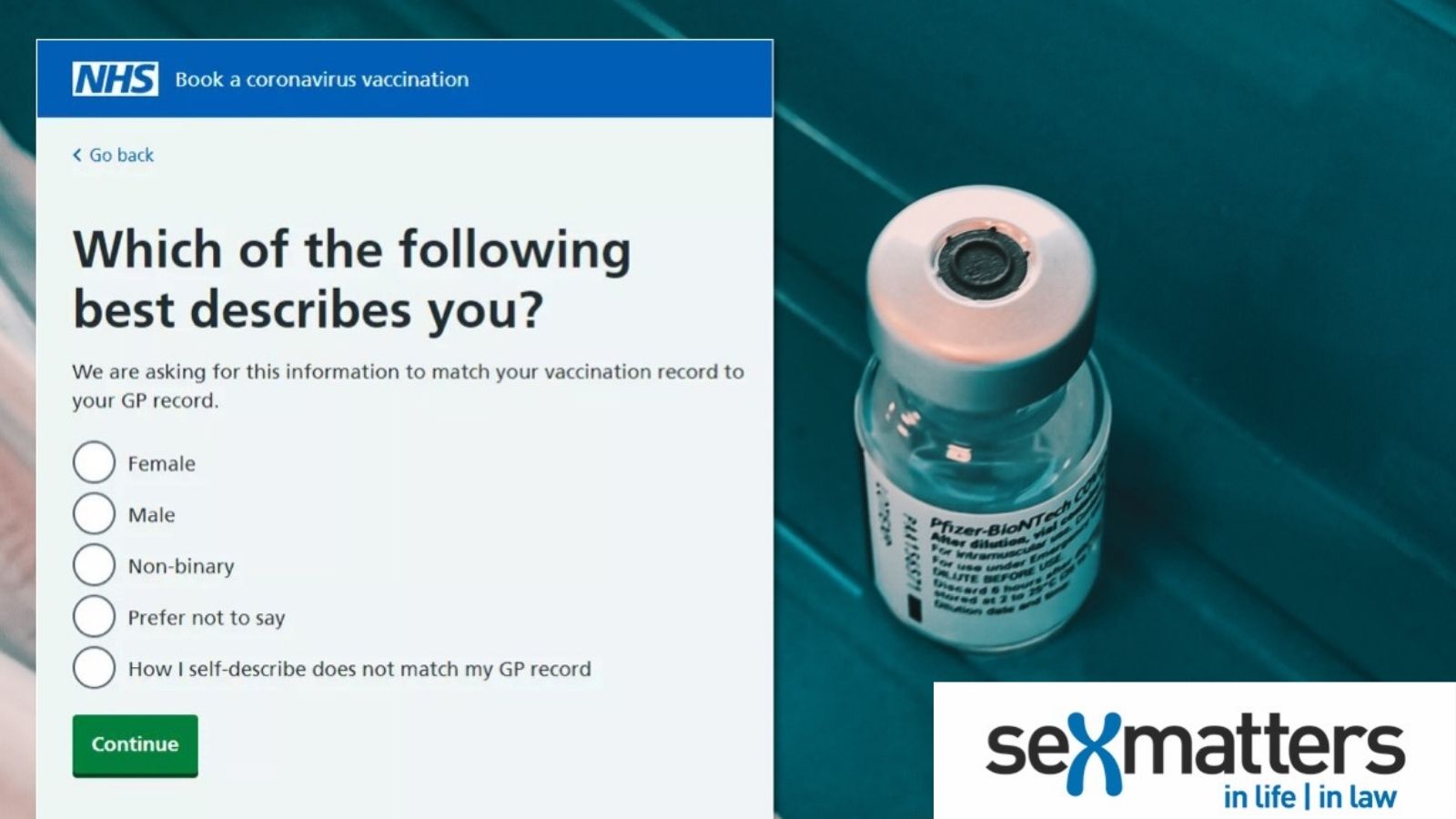
Take, for example, data collection regarding gender identity in education. The nuances of gender identity, particularly for transgender and non-binary individuals, require a conscious, respectful approach in policy formulation. Therefore, we must not only advocate for the inclusion of diverse identities in data collection but also champion the principles of consent and agency in how that data will be utilized. Otherwise, we risk compounding harm, perpetuating cycles of oppression, and yielding policies that are shockingly out of touch with the realities they intend to address.
In this light, sex-based data serves as both a tool for empowerment and a reminder of our ethical obligations towards those whose lives it quantifies. A feminist approach to data advocacy must revolve around a commitment to social justice, demanding not just inclusion but a redress of the power dynamics embedded within data systems.
Conclusion: Reshaping Our Future Through Gender-Sensitive Policies
For feminists, the call for sex-based data is not merely a technical recommendation—it’s part of a larger moral crusade for justice, equity, and inclusion. As we navigate an increasingly complex social landscape, we must demand policies that reflect the real lived experiences of individuals as shaped by their multifaceted identities. The stakes could not be higher: our collective future hangs in the balance. When it comes to dismantling systemic disparities and crafting policy, acknowledging and utilizing sex-based data is not an option—it’s an imperative. In the words of Audre Lorde, “There is no such thing as a single-issue struggle because we do not live single-issue lives.” Thus, let us navigate the intricacies of gender with clarity and intention, ensuring that our policies genuinely reflect the diverse realities of our world, one equitable data point at a time.