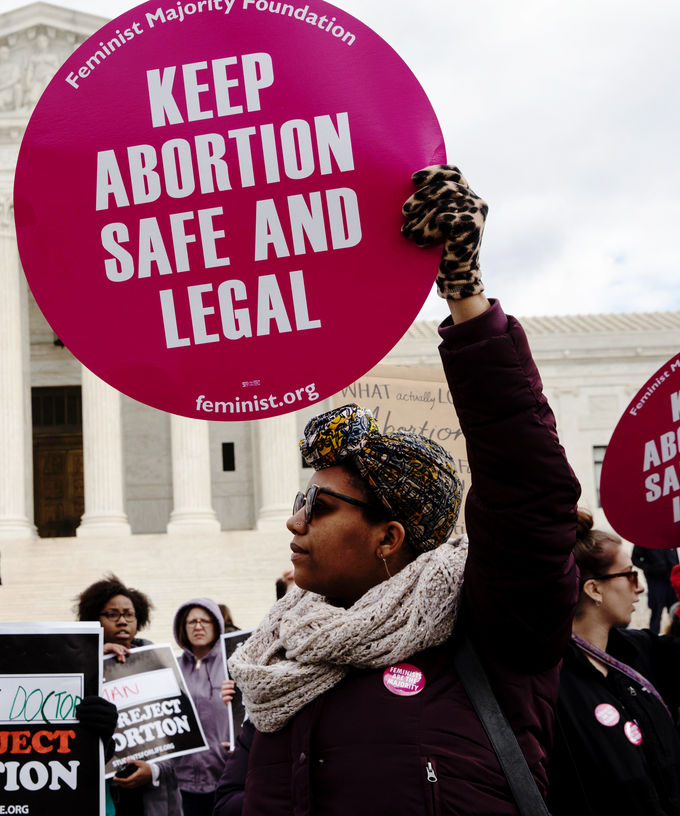
The floor of the House is buzzing, anticipation palpable in the air as lawmakers prepare to cast their votes on a highly contentious piece of legislation—the 20-Week Abortion Ban Bill. But beyond the sterile confines of Capitol Hill, a ferocious fury ignites among the feminist community. This bill isn’t just a challenging political maneuver; it’s an affront to bodily autonomy and a blatant disregard for women’s rights. As the vote approaches, it is essential to dissect the multiple layers of this controversial proposal and illuminate its implications through a feminist lens.
Autonomy Under Threat: The Heart of the Matter
To truly grasp the audacity of the 20-Week Abortion Ban, we must first confront the notion of bodily autonomy—what it means, and why it is non-negotiable. The fundamental principle underlying feminism is the undeterred right of individuals to make choices regarding their own bodies. Yet, this bill spits in the face of that principle. By restricting access to abortion after 20 weeks, lawmakers are suggesting the government should have a say in what happens within the intimate, personal landscape of a woman’s body.
Many people, particularly younger generations, may not fully appreciate the struggles forged in feminist battles of the past. The fight for reproductive rights is steeped in a rich history of women demanding their right to choose, a choice that isn’t just about the legality of abortion; it’s about self-determination. When legislators overstep their bounds, we witness a miniature battle of sovereignty—a contention that cannot only be dismissed as a mere legislative issue.
Let’s be clear: these restrictions disproportionately affect marginalized women. Those who are already fighting against systemic barriers, such as poverty, inadequate healthcare, and lack of comprehensive sex education, will suffer the most. The irony? The same politicians advocating for the ban often profess to be “pro-life.” Yet, by limiting access to abortion services, they contribute to the very systemic inequalities that undermine the well-being of women of color, low-income women, and those living in rural areas. So whose life are they truly protecting?
Breaking Down the Myth of the 20-Week Rule
Ah yes, the 20-week mark—hailed by its proponents as a temporal line in the sand, a threshold beyond which they argue a fetus experiences “pain.” This rhetoric deceptively sanitizes the political reality of the bill. The truth is far murkier, supported by a plethora of scientific data that disputes this notion. This arbitrary deadline fails to recognize the complexities surrounding pregnancy, health risks, and the diverse reasons women seek abortions later in their term.
For some women, late-term abortions are not a matter of choice but a necessity, often arising from tragic situations such as severe fetal anomalies or life-threatening maternal conditions. It raises a troubling ethical dilemma: should women be compelled to carry a pregnancy that could result in profound suffering or death? Moreover, healthcare isn’t a universally accessible service—many women may find themselves navigating a labyrinth of bureaucratic obstacles or financial limitations. To effectively slap a deadline onto the nuanced realities women face is to strip away the compassion and understanding that should underpin a woman’s right to choose.
Unequivocally, this bill perpetuates the dangerous narrative that women’s health decisions can be dictated by arcane political ideals rather than evidenced-based medicine and compassionate care. As feminists, we must ardently dissent, demanding that women’s experiences, voices, and rights fundamentally shape discussions about reproductive health, particularly when we’re broaching ethically fraught territory.
The Erosion of Trust: What This Means for Medical Professionals
Let’s sift through the ramifications for healthcare providers—those on the front lines who have committed their lives to safeguarding women’s health. The passage of the 20-Week Abortion Ban bill not only endangers women’s lives but also creates a chilling atmosphere for medical professionals who seek to offer comprehensive and ethical care. With looming threats of legal consequences, how can doctors perform their duties without fear of retribution for exercising their medical judgment?
Embarking upon a healthcare journey with a compassionate provider requires mutual trust. Each hesitation, each second-guess breeds fear and confusion—far from the supportive environment essential for effective healthcare delivery. We should be standing in awe of medical professionals making ethically complex decisions daily, yet here we are, criminalizing their very choices. It’s an abomination to strip physicians of their ability to heed calls for timely medical intervention.
Furthermore, how can we, as a society, continue to treat healthcare professionals with respect while simultaneously advocating for policies that undercut their expertise? There is something inherently hypocritical about this dynamic, evoking ire and animus across the feminist community, especially among younger advocates eager for change.
Ripple Effects: The Unforeseen Consequences
Those in favor of the ban often fail to calculate the far-reaching consequences encapsulated in such legislation. While the narrative spun in support of the bill promotes moral absolutism, the truth showcases a series of societal complications that could reverberate for generations. Engaging in a simplistic dialogue dismisses the lived realities of women and denies their complexity.
Consider the emotional landscape women traverse when confronted with difficult circumstances surrounding pregnancy, particularly after 20 weeks. Society demands a rigid adherence to morality while leaving women to grapple alone with anguish, guilt, and confusion. The result? Stigmatization that not only underscores women’s experiences but further alienates them from the healthcare community when they need support the most.
These external pressures may lead to women clandestinely pursuing unsafe methods to terminate pregnancies, resulting in dire public health outcomes. It is astonishingly naïve to presume a ban will eliminate the demand for abortions; instead, it cultivates an environment steeped in fear and secrecy. The repercussions do not outright vanish with legislation; they morph into crises awaiting to surface within a dispassionate healthcare system.
Conclusion: The Unyielding Call for Action
The impending vote on the 20-Week Abortion Ban Bill is more than just another legislative hurdle; it is a clarion call urging us to rise and fortify our resolve for reproductive justice. Feminism is about breaking the status quo, dismantling oppressive structures, and amplifying voices that are persistently silenced. This is not just a women’s issue—it’s a human issue demanding our unwavering attention.
Young activists, feminists from all walks of life, must mobilize our energies and challenge the status quo. The landscapes of reproductive rights are rife with inequities, and it requires concerted effort, unwavering determination, and passionate advocacy to confront these ever-looming threats. Let us stand together and ensure that the narrative surrounding our autonomy rests firmly in our hands, not the hands of politicians armed with their ideologies. Every voice matters, and now is the time to be heard.