In recent discussions surrounding pivotal legislation concerning LGBTQ+ rights, the mention of ENDA (Employment Non-Discrimination Act) and the repeal of DADT (Don’t Ask, Don’t Tell) has emerged from House Minority Whip Steny Hoyer, indicating a potential movement within the House that deserves urgent and nuanced examination. When it comes to feminism’s role in these conversations, the implications stretch far beyond gender identity, touching on the very fabric of civil rights, workplace equity, and societal acceptance.
As we delve into this topic, it’s vital to unpack both the historical context and the intersectionality inherent in these legislative measures. Feminist movements have long been intertwined with the fight for broader human rights, advocating not only for gender equality but also for the rights of all marginalized individuals. This creates an essential backdrop against which both ENDA and the repeal of DADT must be understood.
The clamor for these legislative actions revitalizes discussions on the intersection of gender, sexual orientation, and the rights that govern them. Yet, as we advocate for justice, it is crucial to evaluate not only the naked impact of these laws but also the broader implications of their passage—and failure—in today’s complex sociopolitical climate.
Understanding ENDA: A Feminist Dissection of Workplace Rights
At its core, ENDA aims to eliminate workplace discrimination based on sexual orientation and gender identity. This is not merely a regulatory adjustment; it’s a clarion call for the inclusion of a historically marginalized demographic. It’s imperative to understand how such legislation resonates within feminist discourse.
Economically, the ramifications of ENDA stretch far and wide. Employment discrimination against LGBTQ+ individuals not only stunts personal growth but has significant repercussions on economic stability. In a feminist context, economic independence is a foundational pillar for gender equality. Women, especially those who identify as queer or transgender, remain disproportionately affected by discriminatory practices. Thus, ENDA is not only a necessary tool for the LGBTQ+ community but a vital instrument in furthering feminist aims of dismantling patriarchal structures that dictate economic power.
The possible passage of ENDA should bolster a thriving labor movement that recognizes and celebrates diversity. It beckons us to create a workforce that does not merely tolerate differences but embraces them. Women’s liberation is inexorably linked to economic autonomy, and as such, fighting for partners in this struggle—LGBTQ+ individuals—symbiotically enhances the feminist project.
The Duality of DADT: More Than Just Military Policy
Then there is DADT—the military’s historic policy prohibiting openly gay, lesbian, and bisexual individuals from serving. The repeal of DADT is a landmark indication of a broader societal shift, signaling that sexual orientation should not dictate one’s right to serve, protect, and represent. However, this is not just a military issue; it’s a grossly intricate facet of gender and sexuality politics.
Feminism has long contended with the complexities of militarism, standing resolutely against patriarchal militaristic structures that perpetuate violence while simultaneously recognizing the need for representation within those structures. The repeal of DADT, situated in feminist discourse, sheds light on the contradictions inherent in “serving one’s country.” When certain identities are marginalized even in the service of a nation, the paradox demands a critical analysis of how we define loyalty, patriotism, and service.
The military should not merely reflect societal values but rather challenge them. Thus, examining the implications of DADT’s repeal is not enough; we must scrutinize how the very act of service is structured within a framework that values heteronormativity. Feminist movements must interrogate the power dynamics at play, advocating not solely for inclusion but for a radical reimagining of what it means to serve and protect.
Intersectionality: The Nexus of Feminism, Race, and LGBTQ+ Rights
The conversations surrounding ENDA and the repeal of DADT must also grapple with intersectionality—the idea that various forms of discrimination overlap and compound. This is where feminism needs to decisively voice its advocacy for inclusivity within LGBTQ+ rights, particularly focusing on the realities of women of color, transgender individuals, and those with disabilities. A pivotal feminist perspective acknowledges that addressing these complex layers of identity and oppression is not merely an ideological stance but a necessary evolution of the feminist movement itself.
The silence surrounding the cascade of violence against transgender women, especially women of color, reveals a gap in both feminist and LGBTQ+ dialogues. This intersection points toward a crucial understanding that the struggle for gender equality cannot be detached from the fight against racism, classism, and all forms of social injustice. To genuinely advocate for ENDA and the repeal of DADT requires an unwavering commitment to addressing these intersections, pushing beyond token gestures of inclusion toward a deeply resonant sense of solidarity.
The Undeniable Role of Activism in Legislative Change
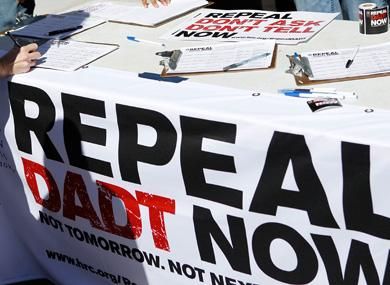
As compelling as these legislative measures might seem in theory, grassroots activism remains the heartbeat of any legislative change. The feminist movement has demonstrated time and again that societal change emerges from the concerns articulated by those most affected. The images from protests, the voices of those who challenge the status quo, and the ongoing struggle for rights serve as testament to the indomitable spirit of grassroots activism.
Activism is not merely a response to legislation; it is a prerequisite for the flourishing of such discussions. The imminent hope for ENDA and the repeal of DADT signals a revival of advocacy that defies apathy. Feminist activist networks must invest in amplifying voices across all spectrums of identity, uniting those battling against oppressive systems. We must advocate not just for rights but for a new narrative that prioritizes humanity and inclusion.
Conclusion: Charting a Bold Path Forward
The potential movement towards ENDA and the repealing of DADT framed through a feminist lens offers more than just a tactical victory; it allows for an exploration of the very essence of equality and justice. The current political climate invites discourse on how social movements can leverage legislative platforms to forge new avenues for advocacy. However, advocating for inclusivity is merely the beginning. The challenge lies in transforming this momentum into an ongoing commitment to equity across all intersections of identity.
Feminism stands at a precipice where it can powerfully intertwine with LGBTQ+ advocacy to confront entrenched discrimination and drive progressive change. Yet, it calls on each of us—activists, legislators, citizens—to forge paths that transcend mere compliance with legislation and work towards an embracing ethos of empathy and solidarity. In so doing, we not only honor the struggles of the past but pave a resilient future that reflects a truly inclusive society.