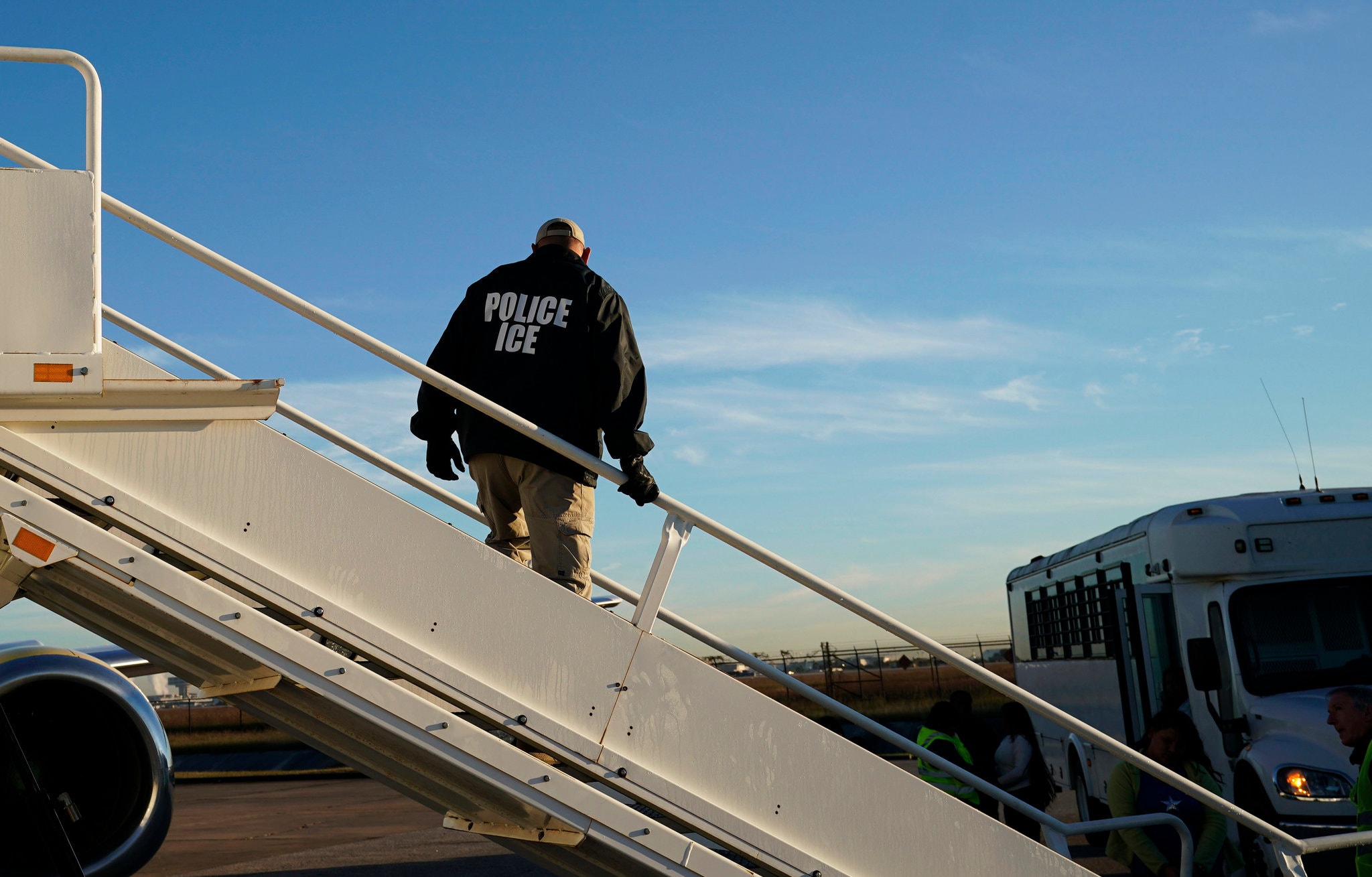
The specter of immigration enforcement looms large over the United States, casting a long shadow that disproportionately affects marginalized communities, particularly women and children. The recent announcement of major raids by Immigration and Customs Enforcement (ICE) is not just a policy matter; it’s a feminist issue that demands urgent attention and action. As these draconian measures prepare to unfold, the questions arise: What does this mean for immigrant families, and how does it intersect with the broader framework of feminism? The answers are as complex as the policies themselves, undoubtedly intertwined with the struggle for human rights, dignity, and justice.
In examining ICE’s plans to conduct major raids, we must first confront the grim reality that these actions are underpinned by a patriarchal system. This is a landscape where the historical marginalization of women, particularly women of color, is compounded by state-sanctioned violence in the name of immigration enforcement. To fully grasp the impacts of these impending raids, it is essential to consider the multifaceted implications through a feminist lens.
The Effects on Immigrant Women and Children
The ramifications of ICE raids are invariably felt most acutely by women and children. When families are torn apart, it is often women who bear the brunt of the consequential fallout. Research indicates that women are not only the primary caregivers in immigrant families but also serve as the emotional anchors. The trauma inflicted by the fear of deportation and the reality of family separation can lead to severe psychological distress, impacting maternal mental health and, subsequently, childhood development.
Furthermore, the threat of ICE raids exacerbates existing vulnerabilities for immigrant women who may already be facing systemic inequities. Many immigrant women are employed in low-wage, precarious jobs that do not afford them the luxury of taking time off for fear of losing their income, and by extension, their homes and their families. This creates a vicious cycle where women must navigate the dual burdens of labor exploitation and the looming threat of deportation. In this context, it becomes glaringly evident that ICE raids perpetuate gendered violence; they obliterate the safety and security that immigrant families desperately seek.
Disrupting Community and Solidarity
Community cohesion is vital for the well-being of immigrant families, acting as a protective buffer against societal violence. However, ICE raids serve to disrupt these essential networks of support. The fear instilled by such operations forces families into isolation, stifling the community connections that are often lifelines during times of crisis. This isolation is tantamount to a form of social violence, which feminist theorists argue does not merely target physical bodies but also erodes the social fabric that nourishes resilience and resistance.
The alarming rise in community surveillance, spurred by the fear of deportation, is yet another manifestation of this violence. Women in immigrant communities may find themselves scrutinized or compelled to act against their better judgment, betraying their neighbors or resisting support avenues that could ensure their survival. This dynamic invites an insidious replication of patriarchal structures—rather than uniting against a common oppressor, individuals become complicit in their own subjugation and that of their peers. Thus, ICE raids not only attack families but also catalyze divisions that strip communities of their power and resilience.
Inadequate Legal Protections for Vulnerable Populations
At the heart of feminist discourse lies the persistent inadequacy of legal frameworks designed to protect vulnerable populations, particularly immigrant women. Refugee protections, asylum laws, and anti-trafficking initiatives are often constructed with a monolithic lens that disregards the complexities of individual experiences. The imminent ICE raids underscore the glaring deficits in these legal safeguards. Women fleeing domestic violence, for instance, may seek sanctuary in the U.S. only to find themselves further victimized by a state apparatus that perpetuates their trauma. Feminism must vocally challenge the myopic policies that ignore intersectionality and reinforce systemic barriers.
Moreover, legal aid remains a luxury few can afford, particularly for low-income immigrant families. The lack of resources and access to competent legal representation leaves women vulnerable to exploitation, including wage theft and sexual harassment. In the context of ICE raids, it is not only law enforcement but also bureaucratic indifference that jeopardizes the safety and dignity of immigrant women and their families. It’s imperative for feminist activism to push for comprehensive reforms that prioritize the safety, dignity, and autonomy of all individuals, regardless of their immigration status.
Resisting Oppression: Empowerment through Solidarity and Advocacy
In the face of impending ICE raids, the resilience of immigrant women and their allies takes on an empowering character. Advocacy movements that highlight the unique challenges immigrant families face are essential. These movements illuminate the intersection between immigration enforcement and gendered violence, catalyzing an urgent conversation about human rights that resonates beyond immigrant communities. From grassroots organizations to national networks, coalitions are forming to challenge ICE and uplift the voices of those most impacted.
Participatory activism, including community organizing and public demonstrations, can mobilize against unjust policies. By fostering a climate of solidarity, activists can amplify their voices, challenge oppressive structures, and advocate for comprehensive immigration reform. Feminism must embrace this resistive spirit, arming itself with the knowledge that true liberation lies in collective action. Only through solidarity can communities dismantle the chains of oppression fostered by both gendered violence and state-sponsored terror.
The Way Forward: Reimagining Immigration Policies
Feminist discourse has the power to reshape the narrative surrounding immigration. It is not merely about resisting raids and ensuring protection; it is about reimagining the policies that govern immigration in a manner that is inclusive, equitable, and just. This entails pushing for a comprehensive immigration framework that protects the most vulnerable, especially women and children who face intersectional marginalization.
The call for humane immigration policies, such as pathways to citizenship, key protections for survivors of domestic violence, and labor rights for immigrant workers, must be at the forefront of feminist advocacy. As we confront the reality of ICE raids, our response must resonate with the urgency of these calls to action. Femininity’s resilience is not solely a defensive posture; it is a clarion call for transformative change.
As progressive voices rise to dismantle the oppressive machinery of ICE, we must remind ourselves that feminism, at its core, is an unwavering commitment to justice. We owe it to immigrant women and families to engage with the intricacies of their struggles, to dismantle the oppressive structures that entrap them, and to champion a future that honors their dignity and humanity. In resisting these ICE raids, we are not merely protecting immigrant families; we are forging a world where justice is the birthright of every individual, irrespective of their immigration status.