

















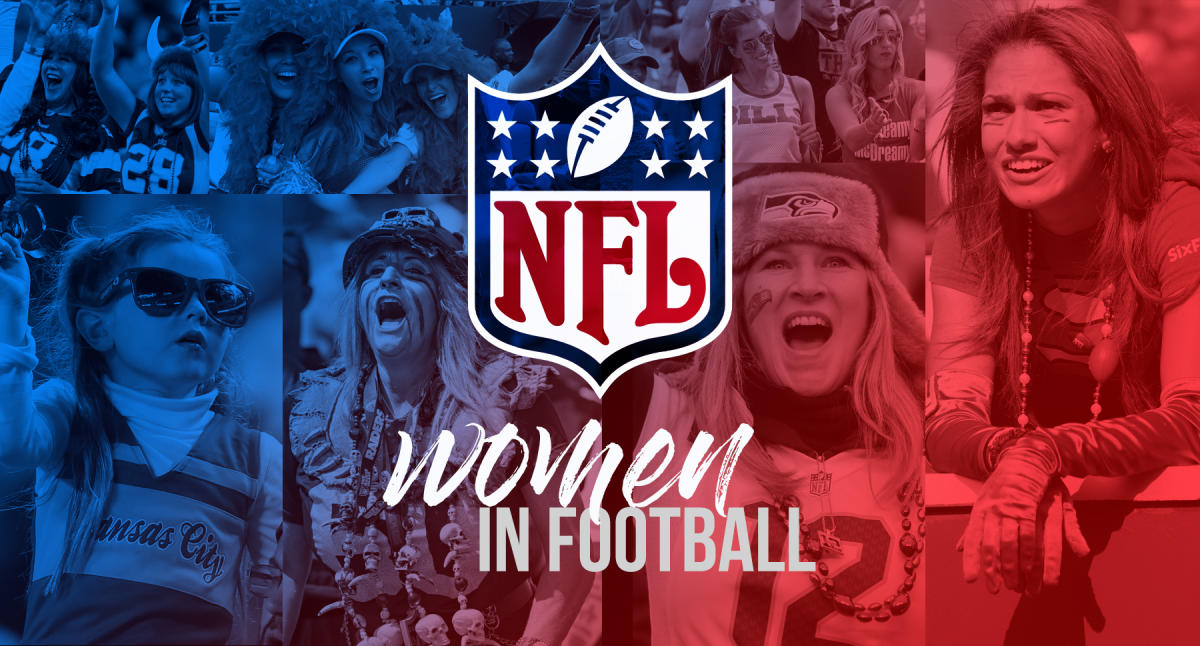
The National Football League (NFL), an organization synonymous with masculinity, has long been tethered to its predominantly male fan base—an identity crafted through decades of marketing and cultural narratives. However, the paradigm is shifting, and the NFL’s apparent indifference towards its female audience is nothing short of a strategic miscalculation. If the NFL isn’t afraid of losing women, they should be. The emergence of women-centric narratives in sports, the push for equality, and the relentless advocacy for female voices present a clear and inevitable challenge to the status quo. Let’s delve into the implications of neglecting the female demographic and explore the intersections of feminism within the sphere of American football.
While the NFL may have cultivated its image around the rugged, often brutish persona of the game, the reality is that women are not merely peripheral spectators but pivotal constituents in the sports ecosystem. Acknowledging and engaging with female fans is not just a marketing opportunity; it reflects a broader culture shift that values inclusiveness and equity. Those who think that the NFL can withstand the slow but sure exodus of women fans are about to discover a truth long understood in feminist movements: ignoring the discontent of marginalized voices can lead to systemic failure.
Women’s engagement with sports is on the rise, and this isn’t just a trend; it’s a seismic shift rooted in a larger societal movement towards gender equity and representation. This phenomenon is accentuated by the transformative power of social media and feminist advocacy. Women are claiming their rightful space within the sports arena, demanding narratives that reflect their experiences and values. If the NFL fails to recognize and amplify this dynamic, it risks alienating an extraordinary audience that could redefine the consumer base of the sport.
Let’s interrogate the cultural ramifications of this oversight.
Gender Representation: Beyond the Sidelines
Female athletes have long been sidelined in the grand narrative of American sports. The NFL, however, has the power to pivot this narrative and reshape its brand identity through female representation. By prioritizing inclusivity in programming, marketing, and leadership roles, the league can embrace a more equitable image. The absence of women in executive roles or coaching positions is glaring, and so is the neglect of their interests within the fan base.
The NFL has the potential to be a leader in societal change, yet it flounders in outdated practices. Part of the appeal of football lies in its camaraderie and team spirit, so why wouldn’t the league strive to create a more inclusive environment where women feel acknowledged and celebrated? With the elevation of female athletes and coaches to the forefront, the NFL could enrich its content, thereby opening avenues for wider audience engagement. Think of the possibilities: curated content centered around women’s experiences, hosting female-led initiatives, or even incorporating women’s football leagues into the broader narrative of the NFL.
Make no mistake, this isn’t merely an act of goodwill; it’s a business imperative. Engaging female fans isn’t just about moral duty—it’s about tapping into a significant market that is ripe for the picking. As the landscape of sports consumption changes, with women increasingly becoming primary decision-makers in family entertainment, the NFL’s failure to cater to them signals a glaring oversight and a potential collapse of fan loyalty.
The Power of Consumer Choices
The bottom line is that women are not just passive viewers; they are powerful consumers. As viewing habits evolve and the entertainment industry becomes saturated with countless options, niche sporting leagues, and diversifying content streams, the NFL stands on shaky ground if it continues to take women for granted. Women wield substantial influence over household spending and are key drivers of change within various markets.
The ramifications of alienating female fans could be substantial. Imagine the outcry if a major corporation disregarded the preferences and concerns of a booming demographic; the backlash would be swift and severe. The outrage is amplified in a world increasingly marked by social justice movements and amplified feminist rhetoric. The NFL’s sustained ignorance will be perceived not as a mere oversight but as a deliberate dismissal of a potent audience that deserves more than just perfunctory acknowledgment.
It’s time for the NFL to ask: Who are we alienating? And at what cost? When women turn away from a league that has failed to evolve, the potential for grassroots movements arises—ones that could promote alternative sporting experiences that are more engaging and appreciative of women’s contributions.
The Rise of Advocacy and Feminist Movements in Sport
This isn’t solely about the NFL; it mirrors a broader cultural reckoning in the sports world, where feminist movements have risen up to challenge systemic inequalities and gendered narratives. Initiatives aimed at creating spaces for women and advocating for women’s rights in sports are proliferating. Organizations championing women athletes and unprecedented gender parity are becoming ubiquitous.
From the activism of female athletes who advocate for equal pay to movements that dismantle toxic masculinity within sports cultures, the intersection of feminism and athletics is inescapable. Women are no longer relegated to cheerleading from the sidelines; they are demanding equitable treatment and visibility. This shift creates a tension that the NFL can’t ignore, as these women forge connections with brands and sports that align with their values. Just look at the impact of the Women’s National Soccer League (NWSL) or the WNBA’s powerful stance on social justice issues; these leagues have gained momentum at lightning speed due to their commitment to gender equity.
As the importance of these movements grows, so does the expectation for leagues like the NFL to rise to the occasion. The specter of social mobilization sits over this league like a dark cloud. Ignoring it could very well lead to a storm that the NFL is unprepared to weather.
Fostering Inclusivity: An Imperative for Survival
To survive in an increasingly critical climate, the NFL must prioritize inclusivity and provoke conversations centered around gender equality. This is not merely about creating space for women in the stands; it’s about altering the very foundation of the league’s identity. The NFL should adopt policies that encourage the participation of women, inclusive marketing strategies that resonate with female audiences, and leadership structures that reflect their dedication to fostering gender diversity.
It’s imperative to remember that engagement is a two-way street. By emancipating itself from the shackles of traditional gendered marketing, the NFL can propel itself into modernity. Female fans should be sought out not as an afterthought, but as integral participants in the fandom, shaping dialogues, contributing to narratives, and ultimately, helping to guide the future of American football.
Ultimately, the NFL has a monumental opportunity at its fingertips, and to ignore the evolution of its female audience would be a colossal error. If the NFL isn’t afraid of losing women, they absolutely should be. The imperative for change is not only a call for justice but also a pathway to survival in a cultural landscape that prizes equality and inclusivity above all else. Women across the nation are rallying—not just for representation, but for a place where their voice is loud, respected, and undeniably heard. The NFL’s failure to engage with this vital demographic will not only contribute to the erosion of its fan base but could also signify the downfall of a once-mighty institution if it continues to cling to antiquated notions of masculinity within sport.