In a political climate often characterized by stalemate and regression, Illinois emerges as a beacon of hope, once again galvanizing efforts to ratify the Equal Rights Amendment (ERA). As feminist discourse reclaims urgency, this revival not only resonates with the historical struggle for rights but also promises a transformative shift in perspective on gender equality. The ERA isn’t merely a relic of the 1970s feminist movement; it embodies the aspirations and frustrations of countless individuals advocating for unassailable equality.
The quest for equality isn’t just a women’s issue; it envelops every facet of society, questioning the systems of power that perpetuate inequality. So why, after decades of rejection and neglect, does the ERA matter more than ever? Prepare for a revelatory exploration of this thorny yet vibrant topic, where historical legacy and contemporary relevance collide.
What Does the Equal Rights Amendment Entail?
At its core, the ERA articulates a straightforward yet profound message: “Equality of rights under the law shall not be denied or abridged by the United States or by any State on account of sex.” Enshrined in elegant simplicity, the amendment promises to eliminate legal distinctions between men and women. It seeks to dismantle the tropes of inferiority that have been historically propagated through legislation. But let us be candid: the fight for gender equality transcends mere words on a page.
In the framework of the ERA, the language itself becomes a rallying point for feminists and allies alike. It speaks to the heart of systemic patriarchy, challenging the very fabric of laws that have long been weaponized against vulnerable populations. Feminism demands a re-evaluation of the structures that govern our lives—a re-evaluation that the ERA catalyzes. Absent ratification, countless individuals remain ensnared within a labyrinth of legal ambiguity and societal expectations that enforce discriminatory practices. The promise of the ERA beckons us to envision a future where gender does not dictate one’s rights or opportunities.
The Relentless Opponents of Equality
Yet, the path toward ratification remains beset with obstacles. Vicious opponents of the ERA continue to wield disinformation like a sword. The arguments against the amendment range from predictable fears about the impact on family structures to claims of economic fallout. These narratives, often convincingly masqueraded as “concerns,” betray an alarming reluctance to accept the uncomfortable truths about gendered experiences. Understand this: Opponents wish to preserve a status quo that exploits and marginalizes. Their commitment to maintaining archaic gender roles should provoke outrage, not complacency.
Moreover, let’s not ignore the intersectional dimensions of this debate. Women of color, LGBTQ+ individuals, and those with diverse identities experience gender inequity through an even more complex lens. The detractors of the ERA often claim to advocate for “traditional values,” yet in doing so, they resoundingly ignore the lives of those who navigate multiple axes of oppression. Absent specific legal protections for all, the promises of the ERA will remain hollow, echoing in a void filled with discrimination and indifference.
Illinois Takes the Lead: A Historical Perspective
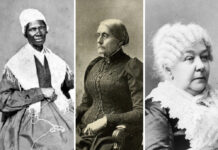
Illinois has become a pivotal player in this unfolding drama. The state’s renewed push to ratify the ERA not only highlights local activism but is a significant chapter in the larger narrative about women’s rights in America. This campaign revives a century-old struggle. In 1923, suffragists Alice Paul and Crystal Eastman first introduced the ERA, envisioning a future where gender equality was encoded into American law. It has taken nearly a century for this vision to come into focus.
In 1972, the ERA was passed by Congress and sent to the states for ratification. However, the timeline for its acceptance deviated wildly due to a combination of political maneuvering and grassroots resistance. By the time the 1982 deadline expired without the requisite number of state approvals, it felt like a betrayal. Fast-forward to today, and the world is awash in a renewed feminist fervor. Movements such as #MeToo and Black Lives Matter have reignited the urgency of advocacy, making the ERA’s ratification timely and necessary.
The current landscape reveals a striking paradox: while progressive attitudes toward gender equality have gained traction nationwide, legislative efforts have lagged. The Illinois legislature’s vote to ratify the ERA invigorates discussion, prompting supporters to reconsider what constitutional equality should entail. The rallying cry for the ERA isn’t just a demand for legal recognition; it’s an insistence upon normalization of women’s rights as human rights.
Women’s Rights as Human Rights: Shifting Perspectives
The revival of the ERA in Illinois resonates beyond legislative chambers. It catalyzes discussions around workplace equity, reproductive rights, and violence against women—issues that linger like shadows over our society. The promise inherent in ratifying the ERA extends to shaping consciousness itself: convincing people that injustices rooted in gender cannot be dismissed or trivialized. To frame women’s rights as “special interests” is to deny a universal truth: human dignity belongs to all individuals, irrespective of gender.
Moreover, the voices championing the ERA in Illinois serve as an antidote to the narratives perpetuated by those who oppose it. With each passing election cycle, feminist activists reclaim the discourse, lifting the veil on systemic inequities embedded within legislative language. They implore society to recognize that the urgency of the ERA isn’t political—it’s profoundly humanitarian.
Join the Fight: The Call to Action
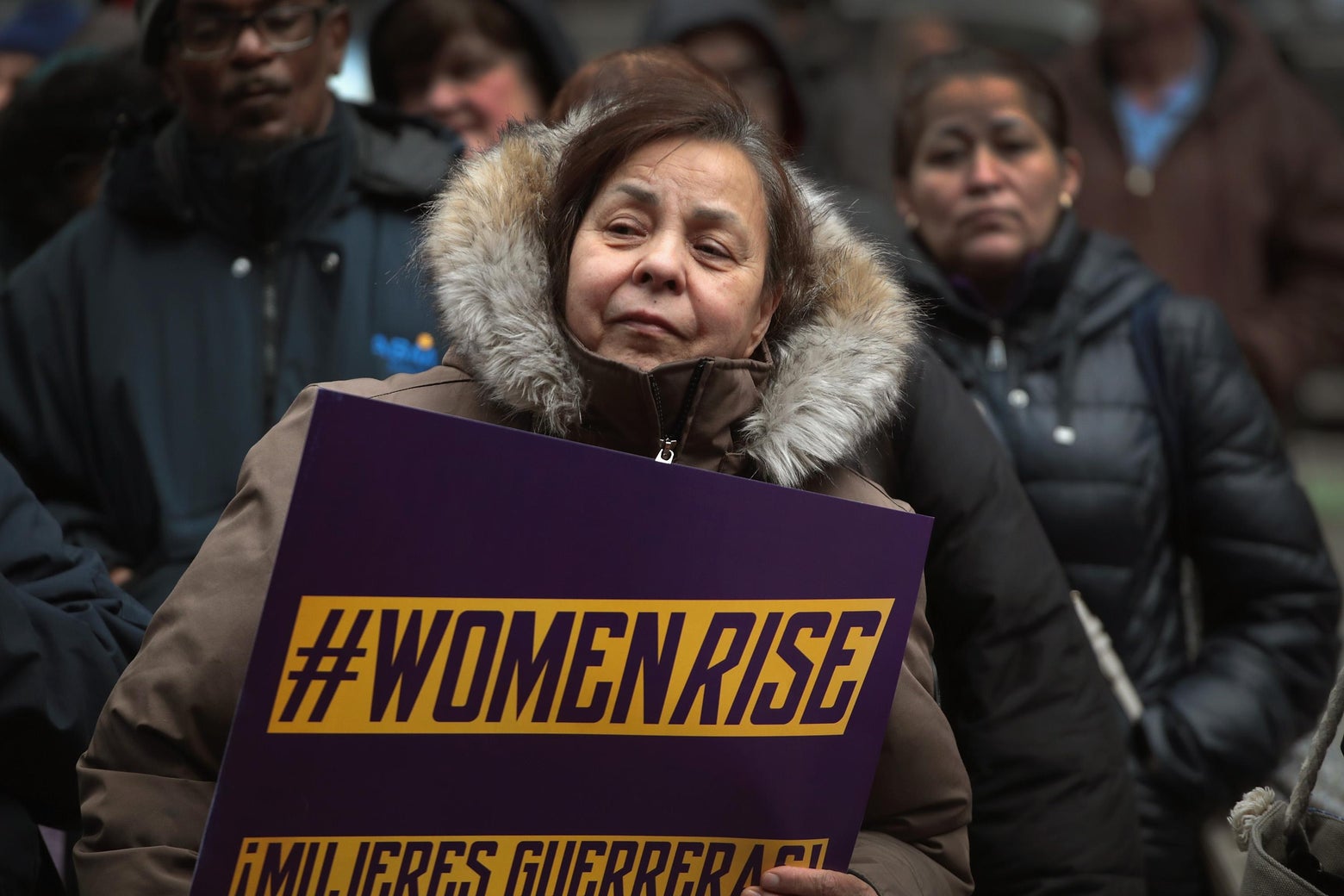
The call to ratify the ERA is not merely symbolic; it’s a clarion call for action. As Illinois positions itself as a leader in this movement, it invites citizens across the nation to engage in a collective effort. The revival campaign is a reminder that advocacy isn’t confined to the halls of power; it thrives in community dialogue, grassroots organization, and passionate activism.
Yet, with this revival comes a clarion understanding: the ERA’s journey is still fraught with challenges. While Illinois takes steps toward ratification, the discourse must extend beyond state borders. Every community must be engaged, every voice amplified. The fight for the ERA’s ratification serves as a microcosm of the broader struggle for social justice—where one flame of hope can ignite myriad revolutions. It’s a call to dismantle existing barriers and advocate for a more equitable society.
Feminism in its truest sense doesn’t merely aim at elevating women; it seeks to eradicate societal injustices in all forms. As Illinois revives its campaign to ratify the Equal Rights Amendment, it simultaneously revives a promise: a promise for a shift in perspective that recognizes that our future cannot be predicated on outdated paradigms. The time to act is now; it’s an opportunity to redefine what equality looks like and dismantle the remnants of a patriarchal legacy that still haunt our nation.