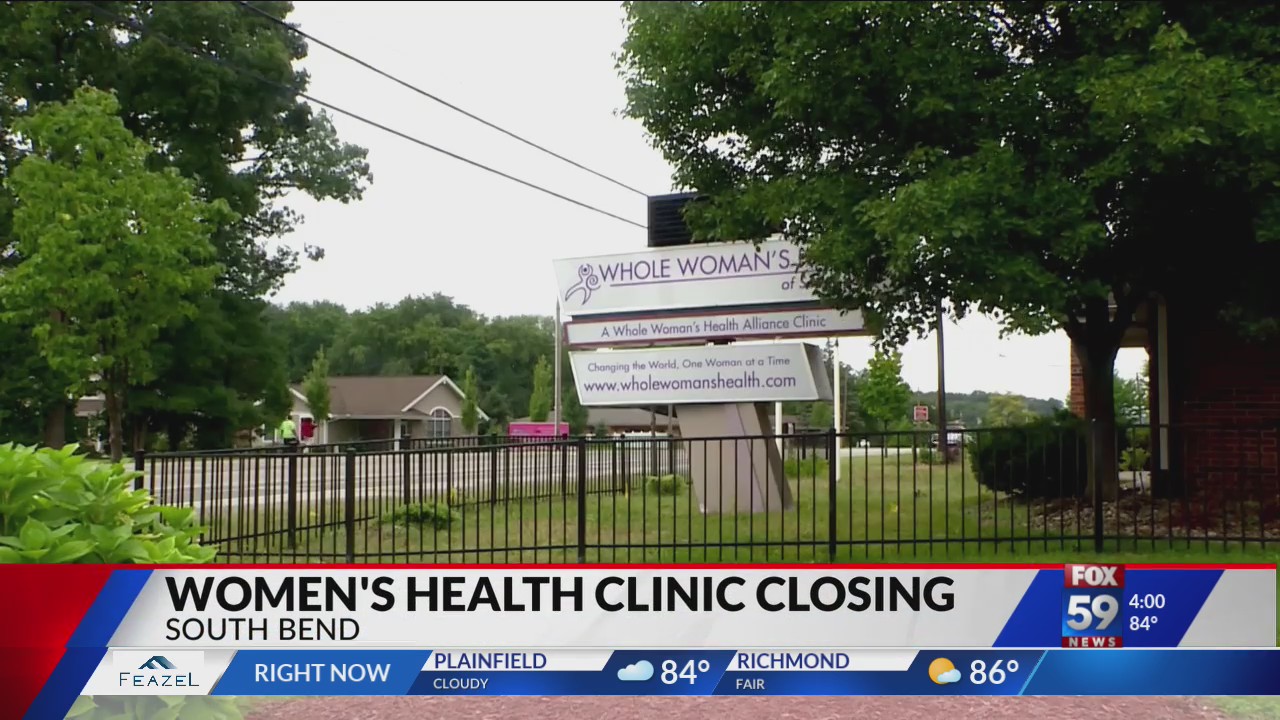
In the wake of an Indiana abortion clinic shuttering its doors, the conversations around reproductive rights reach a fever pitch. The closure isn’t merely a casualty of bureaucratic red tape; it stands as an emblematic testament to the insidious harassment perpetrated by anti-abortion activists. The feminists among us recognize that these closures are more than mere headlines; they are the tangible consequences of an ongoing war against women’s autonomy. And let’s not gloss over it: this is fundamentally about the control exerted over women’s bodies by a conservative cadre wielding the language of morality as their weapon.
Let’s unpack the implications of this closing in painstaking detail.
The Conducive Environment for Harassment
As the clinic closed its doors, one can’t help but consider the toxic environment fostered by relentless harassment. Anti-abortion activists have managed to create an atmosphere rife with intimidation, employing a grotesque mix of shame and coercion aimed at women seeking reproductive healthcare. These activists don’t merely hold signs outside clinics; they mobilize a campaign steeped in psychological warfare and social ostracism, designed not just to deter women from seeking abortions, but to suffocate the discourse surrounding reproductive rights altogether.
Let’s consider the sheer audacity of their tactics. They engage in predatory behaviors, often following women from their cars, confronting them with harrowing imagery or shaming rhetoric. It’s a despotic play straight from the well-worn handbook of those eager to exert power over vulnerable populations. Empowered by a cult of victimhood, anti-abortion crusaders label themselves as defenders of life while neglecting the lived realities of those they seek to control. Can we not see the hypocrisy writ large?
But surely, their intentions must harness some measure of righteousness, you might argue? Yet, when the cited goal is to protect life, one must question: Whose life are we prioritizing here? Is it the fetus, or the woman wielding agency over her own body?
The Erosion of Bodily Autonomy
To gaze upon the closure of this clinic is to witness a disquieting erosion of bodily autonomy—a relentless tide that threatens to engulf the autonomy women have fought so fiercely to obtain. The feminist movement has repeatedly asserted that the rights to one’s body are inextricably linked to one’s identity. When anti-abortion forces clamp down on these rights, they undermine the very fabric of feminism itself. We are witnessing a dystopian regression, propelled by a rabid movement that deploys well-crafted disinformation to peddle false narratives about the realities of abortion.
It leads one to ponder: at what point did the sanctity of life become synonymous with the end of women’s rights as we know them? The erosion of bodily autonomy is particularly palpable in states like Indiana, where lawmakers have continuously tightened their grip on what happens within the intimate realm of personal choice. Each piece of legislation designed to impose restrictions on abortion access masks itself as ‘pro-woman’ and ‘pro-family’, but do the statistics support this narrative? The overwhelming evidence overwhelmingly suggests otherwise.
Moreover, it begs the question of who predominantly bears the burden of these legislative encumbrances. It’s undoubtedly women, and more pointedly, marginalized women. The rich get the opportunity to maneuver around the labyrinth of restrictions—traveling out of state or accessing private care—while our most vulnerable sisters are left stranded in desperation. Do these anti-abortion crusaders truly envision a world where women are empowered, or are they simply clinging to a patriarchal framework that seeks to relegate female autonomy to the annals of history?
The Cultural Consequences of Clinic Closures
What are the broader cultural ramifications of clinics being forced to close under duress and harassment? The answer is as complex as it is concerning. The shuttering of clinics snuffs out essential healthcare access, paves the way for a stigma-laden narrative, and ultimately curtails the conversation surrounding reproductive rights. But more than offering mere statistics about healthcare access, we must peek behind the curtain to reveal a deeper, darker truth.
Every clinic closure becomes a storytelling massacre. The stories of women—each journey unique but ultimately converging upon a singular moment of decision—are buried under the weight of shame and condemnation imposed by a judgmental society. We not only witness the eradication of a healthcare service but simultaneously see the erasure of personal agency and experience. Our collective amnesia around these personal narratives feeds the persistent cultural stigma surrounding abortion, narrowing the public discourse into a neatly packaged ideological war.
What remains unexamined are the myriad reasons why a woman might choose to terminate a pregnancy. Economic factors, health risks, personal life trajectories—all potent narratives brushed aside in the dogmatic pursuit of outlawing abortion. Are we genuinely accepting that we can dictate the choices of women without facing severe moral implications ourselves? Women are often depicted as mere vessels in society’s discourse surrounding abortion, rather than fully realized individuals possessing intricate stories and multifaceted lives.
A Call to Action: The Feminist Response
The time has come for a robust feminist response. In the wake of such closures, it’s not enough to lament or decry. We must take action, rallying around organizations that proffer not only reproductive rights but comprehensive healthcare—holistic access that extends past the narrow confines of abortion. Feminism must surge forth as a clarion call, fostering environments that liberate women from the scornful gaze of anti-abortion activists.
Educating ourselves and others is pivotal. The narrative surrounding abortion should be enriched with personal stories rather than stagnant statistics. We must bear witness to the lived experiences that lead women to their choices, illuminating the nuances often overshadowed in public dialogue. However uncomfortable it may be, we must engage in dialogues that interrupt the silencing—a radical act of defiance against the oppressive forces that seek to control women’s bodies.
Finally, we need to wield our votes like swords, carving into the political landscape that so often marginalizes women. Advocacy must resonate at the ballot box, where we can confront lawmakers with the truths we hold dear. Every election offers a new opportunity to assert our collective will—demanding policies that respect, protect, and uphold women’s rights as sacrosanct. Will we rise to the occasion, or will we let the echoes of closure drown out the powerful voices of choice?
In the end, Indiana’s clinic closure is more than a closed door; it’s a clarion call for a reckoning. If we are to advocate for women’s rights moving forward, our resolve must be unshakeable. We must boldly confront the harassment, the legislative encroachments, and the cultural stigma surrounding abortion. The battle for bodily autonomy is far from over, and the time to act is now. Will you rise alongside us?