

















International Midwives Day: Celebrating Global Health Heroes with a Feminist Lens
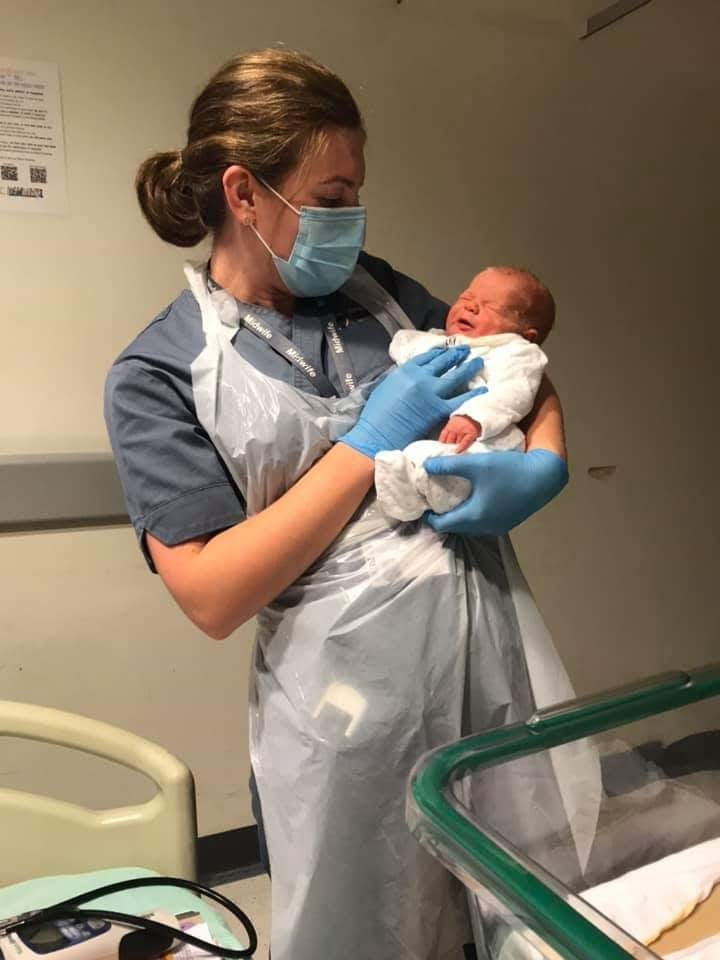
Every year, on May 5th, we gather to honor an undervalued yet imperative pillar of global healthcare: midwives. They are not just birth attendants; they are vital advocates for women’s health, champions of autonomy, and warriors in the fight against systemic inequalities. In our celebration of International Midwives Day, we must critically examine how these health professionals embody feminist ideals and confront the harsh realities that women face in reproductive health across the globe.
As we delve into this topic, it is essential to recognize the multifaceted roles midwives play, not only in delivering babies but in fostering a more equitable society. Midwives are often a woman’s first line of defense in navigating the complexities of reproductive rights—empowering them through education, advocacy, and personalized care. Let us explore the transformative power of midwifery and how these women, through their unwavering commitment, continue to forge the path toward gender equality.
Reframing Maternal Health: A Feminist Approach to Reproductive Rights
The landscape of maternal health is strewn with obstacles exacerbated by socio-economic disparities, cultural stigmas, and inadequate healthcare systems. Globally, approximately 810 women die every day from preventable causes related to pregnancy and childbirth. Tackling these statistics requires us to reassess who is entrusted with maternal care and how they are supported in their roles.
Midwives exist at the intersection of medical expertise and holistic care. They epitomize a feminist critique of traditional medical models that prioritize control over collaboration. Where obstetricians may approach childbirth as a medical emergency, midwives celebrate it as a natural process. By embracing women’s bodies and their inherent capability to give birth, midwives empower women, allowing them the space to reclaim agency over their pregnancies. This empowerment is nothing short of revolutionary in societies that continue to marginalize female voices.
Furthermore, as advocates for informed choice, midwives promote a feminist ethos that champions bodily autonomy. They provide access to comprehensive information, enabling women to make choices that are right for them, whether that means pursuing a home birth, opting for a cesarean section, or accessing abortion services. When we arm women with knowledge and support, we actively dismantle the patriarchal structures that seek to dictate reproductive choices. Midwives, as facilitators of this knowledge, stand as a bulwark against oppression.
Breaking Cultural Barriers: Midwives as Agents of Change
Globally, midwives are on the front lines of social change, and their work often transcends the delivery room. In many cultures, they serve as the bridge between medical practices and traditional customs. However, this role does not come without challenges. In regions plagued by conflict, cultural stigmas surrounding women’s health can hinder access to safe maternity care. In these areas, midwives often battle not just for the lives of their patients, but against centuries of entrenched misogyny.
In countries where gender inequality prevails, midwives work tirelessly to educate communities on the importance of maternal health. Their influence extends beyond individual births; they become catalysts for societal change, advocating for policies that support women’s rights and health. By providing antenatal care, nutritional education, and mental health support, midwives address the multifaceted aspects of a woman’s well-being, quite often sacrificing their own comfort and safety to do so. This selflessness is emblematic of the feminist struggle—a relentless pursuit of justice, equity, and dignity.
In a world rife with misinformation, midwives are essential guardians of reproductive education. Their grassroots outreach initiatives challenge misconceptions and provide vital information to those who would otherwise have limited access to comprehensive healthcare. By tackling issues like postpartum depression and the importance of mental health care, midwives help shift the narrative around women’s health from one of shame and silence to one of awareness and empowerment. They illuminate the path toward a world where women are not merely passive recipients of healthcare but active participants in their own narratives.
A Call to Action: Elevating Midwives in the Feminist Agenda
As we celebrate International Midwives Day, the question arises: how do we elevate the voices of midwives within the broader feminist agenda? The answer lies in recognizing their contributions as integral to the fight for gender equality. Whether it be through advocacy for adequate funding for midwifery programs, comprehensive training, or equitable access to resources, it is crucial that midwives are given the respect and recognition they unequivocally deserve.
Policy changes must also be implemented at both national and international levels. Countries need to invest in midwifery education and practice, ensuring that midwives can work effectively within their communities. Women’s health is inextricably linked to social justice; thus, reframing midwifery as a primary health service can have significant impacts on global health outcomes. Organizations such as the World Health Organization advocate for this model, emphasizing that increased investment in midwifery can lead to a significant reduction in maternal and infant mortality rates.
Furthermore, the global pandemic has underscored the fragility of healthcare systems, accentuating the pivotal role midwives play in not only maintaining health but also fostering community resilience. As we navigate the consequences of COVID-19, midwives have been instrumental in maintaining critical care services for pregnant women and their families. Their adaptability and dedication during crises exemplify their status as unsung heroines in healthcare—an assertion that should resonate loudly within feminist discourse.
Conclusion: Honoring the Backbone of Maternal Health
This International Midwives Day, let us amplify the voices of midwives and champion the cause of maternal healthcare as a feminist issue. Honoring midwives is not merely a celebration; it is a call to action. We must tirelessly advocate for their full recognition as indispensable contributors to societal health and well-being. As midwives continue to break cultural, educational, and personal barriers in the fight for reproductive rights, they must not be overlooked; instead, they should be celebrated as the global health heroes they are.
In honoring midwives, we join in solidarity with women everywhere, reinforcing our commitment to dismantling oppressive structures and advocating for equity in all aspects of health. Together, let us elevate the conversation and shine a well-deserved light on those who deserve our utmost reverence and appreciation—a standing ovation for the drivers of change, the architects of women’s health, and the fierce feminists of our world.